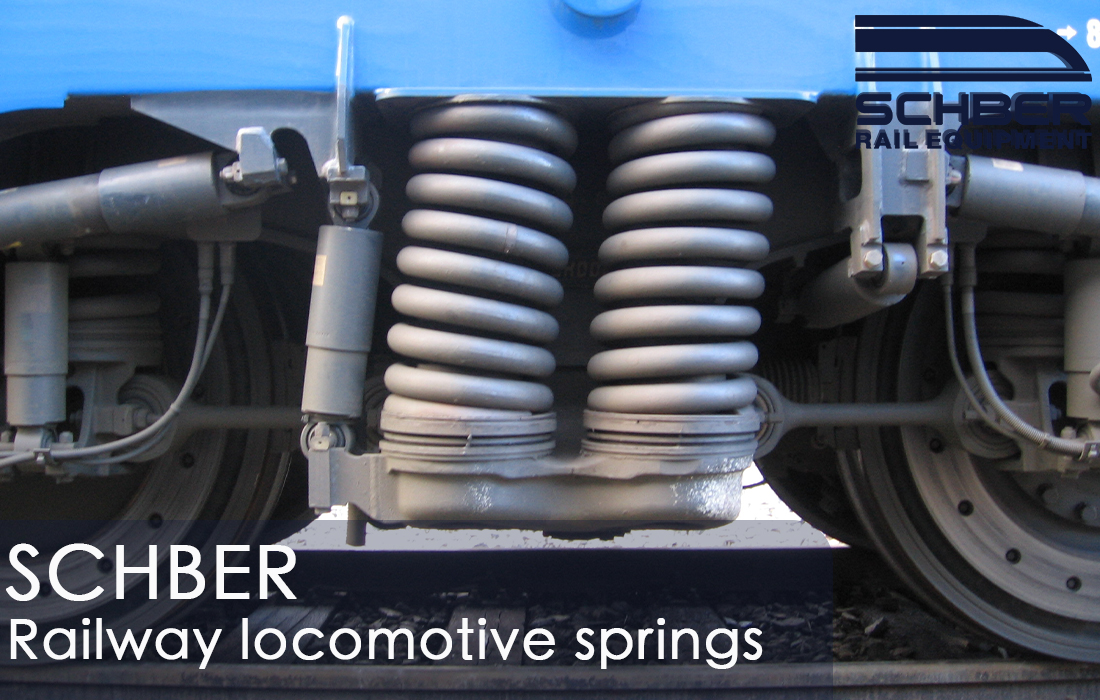
Railway locomotive springs are critical components of a locomotive’s suspension system. They primarily bear the load and attenuate the shocks and vibrations experienced during vehicle operation.
As a locomotive operates, its wheels are subjected to forces caused by track irregularities, switches, and rail joints. Springs absorb a portion of the impact energy, thereby reducing the transmission of vibration to the locomotive body.
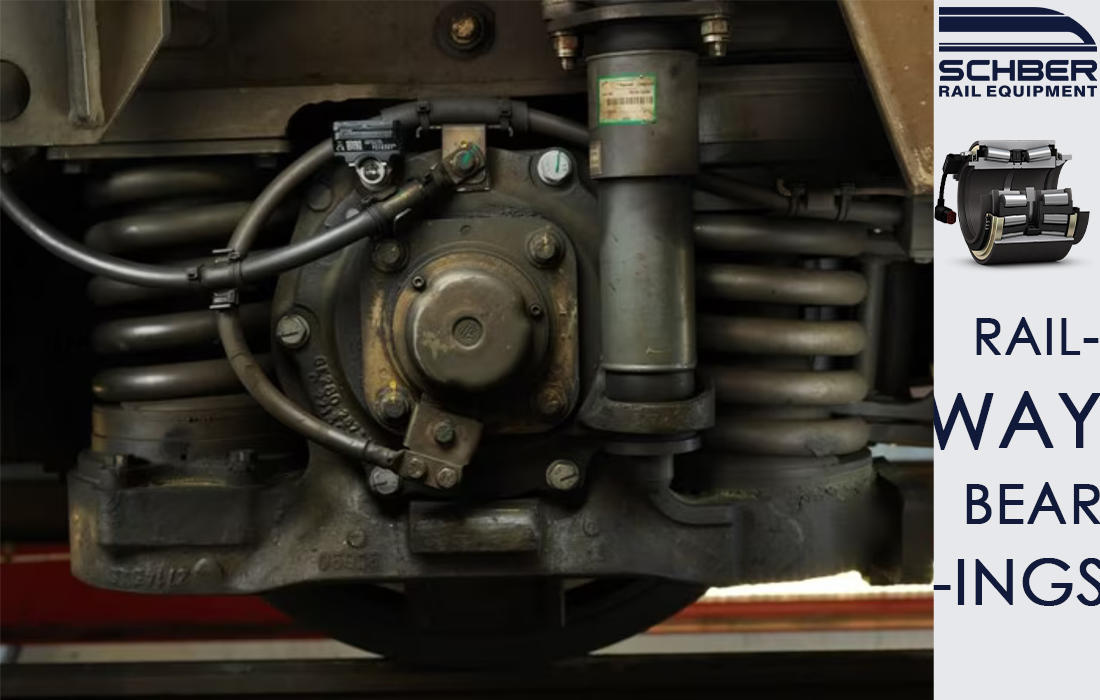
Modern railway locomotives typically employ either a primary suspension or a two-stage (primary and secondary) suspension structure. The placement and function of the springs vary depending on the suspension configuration. Generally, the primary suspension is located between the axle box and the bogie frame, while the secondary suspension is situated between the bogie frame and the locomotive body.
Key Functions of Railway Locomotive Springs
First and foremost, railway locomotive springs support the weight of the locomotive. They transfer the loads borne by the body and frame to the wheelsets, and subsequently to the rails.
Springs also mitigate operational shocks. When wheels encounter track irregularities, the springs compress or extend, absorbing some of the impact energy.
Furthermore, spring parameters influence the locomotive’s operational performance. Characteristics such as stiffness, load capacity, and deflection affect the suspension system’s behavior. Research indicates that suspension parameters are linked to vehicle stability, ride quality, and wheel-rail interaction.
Types of Railway Locomotive Springs
Railway locomotive springs can be classified based on their material and structure.Common types include steel coil springs, leaf springs, rubber springs, and air springs. Each type possesses distinct structural and operational characteristics.
Among these, steel coil springs are widely used in locomotive suspension systems. Standard TB/T 2211-2018 outlines specifications for steel coil compression springs used in locomotives and rolling stock, covering those utilized in suspension, buffering, and traction systems.
Function of Primary Suspension Springs
The primary suspension is located between the axle box and the bogie frame. Primary suspension springs primarily bear the vertical load between the wheelset and the bogie frame. They also serve to attenuate impacts generated between the wheel and the rail.
Structural designs vary across different locomotives; some utilize steel coil springs, while others employ alternative elastic elements.
The stiffness of the primary suspension affects the forces acting between the wheel and the rail; therefore, spring stiffness and operating condition are critical factors during design and maintenance.
Function of Secondary Suspension Springs
The secondary suspension is located between the bogie frame and the locomotive car body.Secondary suspension springs primarily bear the vertical load between the car body and the bogie. They also provide further vibration attenuation.
In some electric locomotives, for instance, the secondary suspension may utilize a combination of steel coil springs and rubber pads. The system is also equipped with vertical and lateral dampers to enhance the locomotive’s running performance.
A two-stage suspension system allows for the stratification of suspension functions. This improves the locomotive’s vertical running performance and reduces dynamic forces exerted on the track.
Key Performance Parameters of Railway Locomotive Springs
Railway locomotive springs are characterized by several important performance parameters.Spring load refers to the load borne by the spring; “working load” specifically indicates the load carried during normal operation.
Spring deflection represents the amount of deformation the spring undergoes under load.Spring stiffness defines the relationship between changes in load and changes in deflection; different suspension systems require specific stiffness values.In practical application, parameters such as free height, working height, and limit load must also be considered.
Working Principle of Railway Locomotive Springs
When a railway locomotive is in operation, the wheels are subjected to impacts from the rails.As the vertical load increases, the spring undergoes compressive deformation; as the load decreases, the spring gradually returns to its original state.
This elastic deformation absorbs a portion of the impact energy. When combined with dampers, the springs help further control vibrations within the suspension system.
It is important to note that the springs themselves are primarily responsible for load-bearing and cushioning, whereas dampers are primarily responsible for vibration attenuation. Working together, the two components improve the locomotive’s operating condition.
Installation Requirements for Railway Locomotive Springs
Before installing railway locomotive springs, inspect the spring’s appearance.Verify that the spring is free from cracks, significant deformation, and severe corrosion. Also, check the spring’s free height and relevant dimensions.
During installation, confirm the spring model and its designated location; springs intended for different positions must not be interchanged arbitrarily.
Springs must be correctly installed at their corresponding support points. During installation, inspect the upper and lower contact surfaces to ensure there is no misalignment or abnormal contact.For springs used in sets, matching must be performed in accordance with technical specifications.
Common Faults in Railway Locomotive Springs
Railway locomotive springs are subjected to alternating loads over long periods. After extended operation, issues such as fatigue, cracking, deformation, or changes in height may occur.
Cracking can reduce a spring’s load-bearing capacity. In severe cases, it may impair the proper functioning of the suspension system.Significant deformation also requires prompt inspection, as abnormal deformation can lead to uneven load distribution on the spring.
Additionally, monitor the condition of the spring’s surface; severe corrosion can compromise its strength and fatigue resistance.
Inspecting Railway Locomotive Springs
Routine inspections can begin with a visual check.Inspectors should examine the spring surface for cracks, fractures, corrosion, and abnormal wear.
Next, check the installation position to ensure there is no significant displacement or abnormal contact.Measure the spring height and relevant dimensions when necessary.
Critical suspension springs should be tested according to the specific maintenance requirements for the locomotive model; visual inspection alone is insufficient to assess the spring’s condition.
Maintenance Methods for Railway Locomotive Springs
Maintain a clean installation area when servicing railway locomotive springs.Regularly inspect the spring surface to detect issues such as cracks and corrosion early.Also, check the fit between the spring and other suspension components.Address any severe cracks, permanent deformation, or other anomalies promptly.
Maintenance personnel should determine the specific inspection items based on the locomotive model and relevant technical documentation. Suspension structures may vary across different types of locomotives.
Why Railway Locomotive Springs Are Important
Railway locomotive springs play a direct role in the suspension system.They not only bear the vehicle’s load but also influence wheel-rail interaction and the vehicle’s operating dynamics.
Improper spring stiffness can compromise suspension system performance. Severe fatigue or damage to the springs can jeopardize the operational safety of the locomotive.
Therefore, selecting appropriate spring specifications and ensuring proper installation and maintenance are crucial for the locomotive’s long-term operation.
Conclusion
Railway locomotive springs are a vital component of the locomotive suspension system.They primarily bear loads and dampen shocks and vibrations during vehicle operation.
Depending on their installation location, these springs are categorized into primary suspension springs and secondary suspension springs. Based on materials and structure, they can also be classified into types such as steel coil springs, leaf springs, rubber springs, and air springs.
In actual operation, the springs’ appearance, dimensions, and installation status require regular inspection.
If cracks, severe corrosion, or significant deformation are detected, they must be addressed in accordance with relevant technical requirements. Proper inspection and maintenance help ensure the stable operation of the railway locomotive suspension system.