Pre-installation Inspection of Railway Bearings
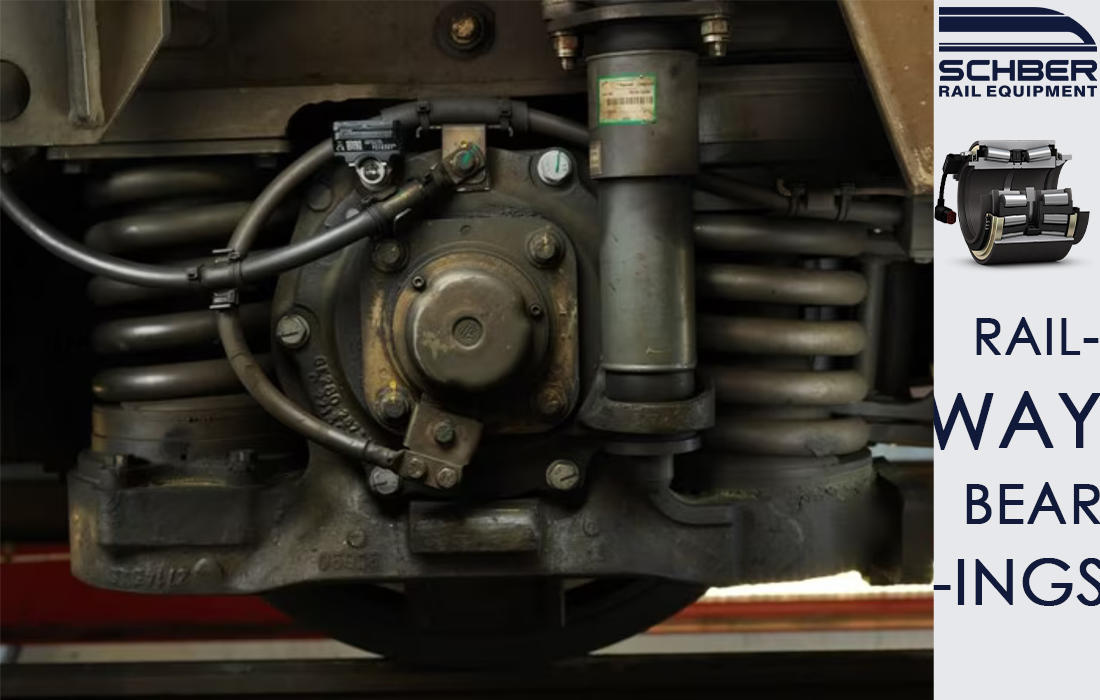
Before installing railway bearings, inspect their appearance. Ensure there are no cracks, dents, or significant rust. Also, check that the bearing surfaces are clean to prevent impurities—such as dust or metal shavings—from interfering with normal operation.
The axle and the mounting location must also be inspected. Mounting surfaces should be flat, and relevant dimensions must meet technical specifications. Additionally, verify the bearing model to ensure its dimensions and structure comply with the vehicle system’s requirements.
Cleaning Bearings and Mounting Areas
Clean the axle journal and related mounting areas before installation. Use appropriate cleaning agents to remove oil, grease, and impurities, then inspect the mounting surfaces.
Address any visible scratches, burrs, or corrosion before proceeding. Keeping the mounting area clean minimizes installation errors and promotes stable bearing operation.
Verifying Installation Orientation
Some railway bearings have a specific installation orientation. Consult technical documentation beforehand to confirm the correct orientation and mating position.
For bearings with integral seals, verify the position of the seals. Do not determine the installation orientation based solely on the bearing’s external appearance.
Using Appropriate Installation Tools
Installing railway bearings typically requires specialized tools. Ensure the bearing remains coaxial with the axle during installation to prevent tilting.
Apply installation tools to the correct parts of the bearing. Do not strike the rolling elements, cage, or seals directly; excessive impact force can damage the bearing’s internal structure.
Controlling Installation Dimensions and Force
When using an interference fit, control the installation dimensions and force according to technical specifications. Specialized equipment may be used to assist with installation if necessary.
If heating the bearing is required, strictly control the temperature. Do not use an open flame to heat the bearing directly, as this could compromise the material properties and internal structure.
Checking the Installed Bearing
After installation, verify that the bearing is correctly seated and check its rotation.
Under normal conditions, the bearing should rotate smoothly. If binding, abnormal noise, or significant resistance occurs, stop immediately and investigate the issue. Check Lubrication and Sealing
After installation, the lubrication status of the railway bearing must be checked. When using grease, select the appropriate lubricant in accordance with technical specifications.
Simultaneously, inspect the seals for deformation, damage, or misalignment. Effective sealing prevents dust and impurities from entering the bearing.
Check Axial and Radial Clearance
Certain railway bearing systems require checks on axial clearance, radial clearance, and relevant fit dimensions.Refer to the technical documentation for the specific bearing and vehicle system regarding inspection methods. Installers should use appropriate measuring tools and record the inspection results.
Post-Installation Operational Check
Once the railway bearing is installed, a comprehensive inspection is required. Verify that fasteners meet specified requirements and check for any foreign objects around the bearing.
During the vehicle’s trial run, monitor the bearing temperature, operating noise, and vibration levels. If abnormal temperature rise, unusual noise, or significant vibration occurs, stop operation immediately and conduct an inspection.
Precautions for Railway Bearing Installation
Railway bearings are critical components for railway operations. Maintain cleanliness of relevant parts during installation and use appropriate installation tools.
Different types of railway bearings may require different installation methods. Therefore, installation procedures should be tailored to the specific model, vehicle structure, and technical documentation.
Summary
Railway bearing installation encompasses several stages, including pre-installation checks, component cleaning, orientation verification, bearing installation, lubrication checks, and operational inspections.
Proper installation ensures stable bearing operation and minimizes abnormal wear. Adhere to relevant technical requirements during the installation process and conduct a thorough inspection upon completion.