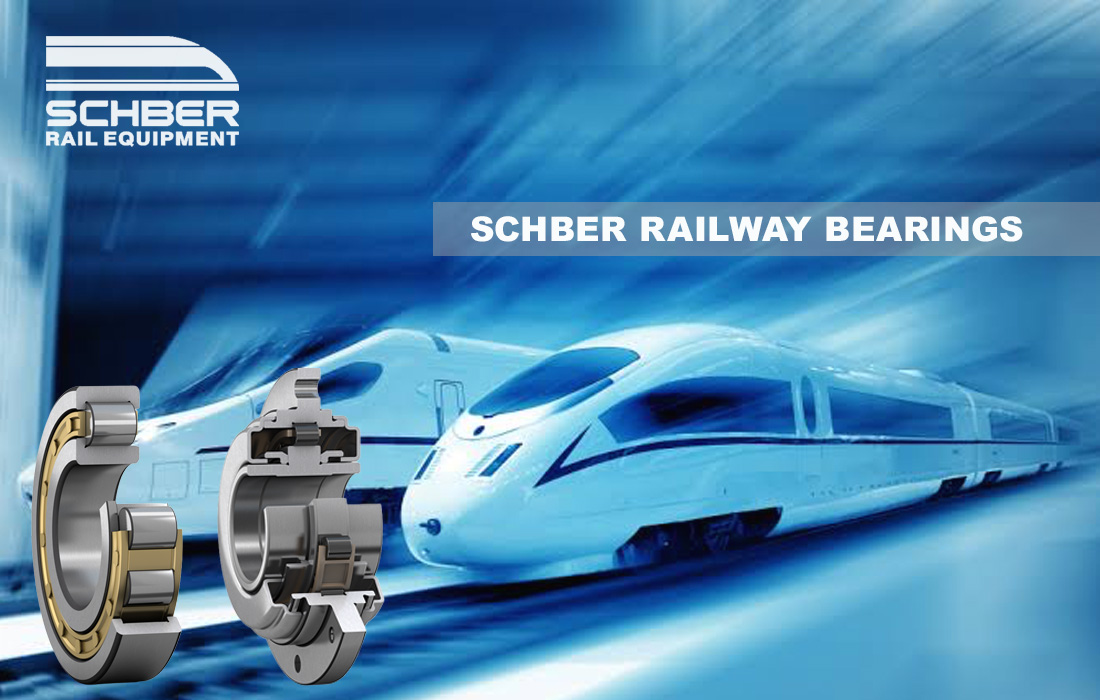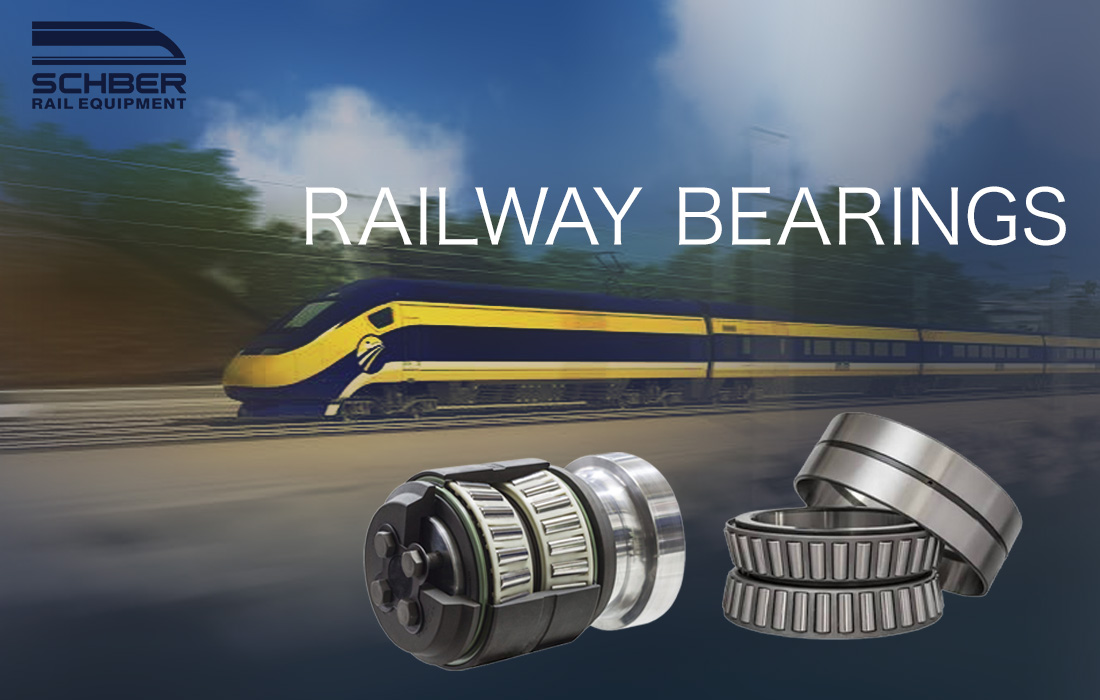
A high-speed train (EMU) is a type of train consisting of multiple carriages. It typically includes powered and unpowered carriages. EMUs achieve high-speed, stable, and safe rail transport through the coordinated operation of multiple systems.
Understanding the main components of an EMU helps in understanding the operating principles of high-speed rail vehicles. For railway bearing suppliers and purchasers, these components can also help determine the specific application locations of railway bearings.
1. Car Body
The car body is the main passenger-carrying structure of an EMU. It includes the carriages, doors, windows, and interior facilities.High-speed EMUs typically employ lightweight car bodies. Aluminum alloys are commonly used. Lightweight design reduces vehicle weight and helps reduce operating energy consumption.The car body also needs to have good sealing performance. During high-speed operation, the car body needs to control airflow and noise.
2. Bogie
The bogie is located below the car body. It connects the car body to the wheel-rail system.The bogie mainly consists of a frame, wheelsets, axles, axle boxes, bearings, suspension system, and braking components.The bogie bears the weight of the car body. It is also responsible for vehicle guidance, vibration damping, and running stability.High-speed trains operate at high speeds. Therefore, the bogie needs to possess high strength and stability.
3. Wheelsets and Axles
A wheelset typically consists of two wheels and one axle.The wheelset is in direct contact with the rails. It bears the vehicle load and transmits traction and braking forces.The axle needs to withstand rotational loads over long periods. Axle boxes and bearings are typically connected at both ends of the axle.
4. Railway Bearings
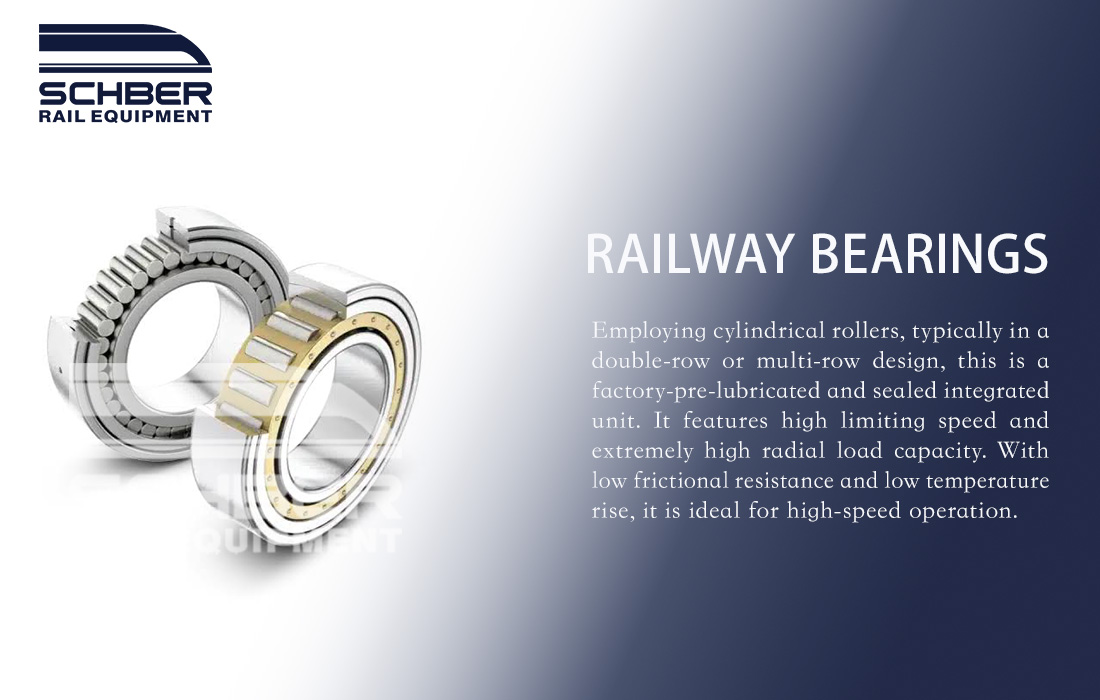
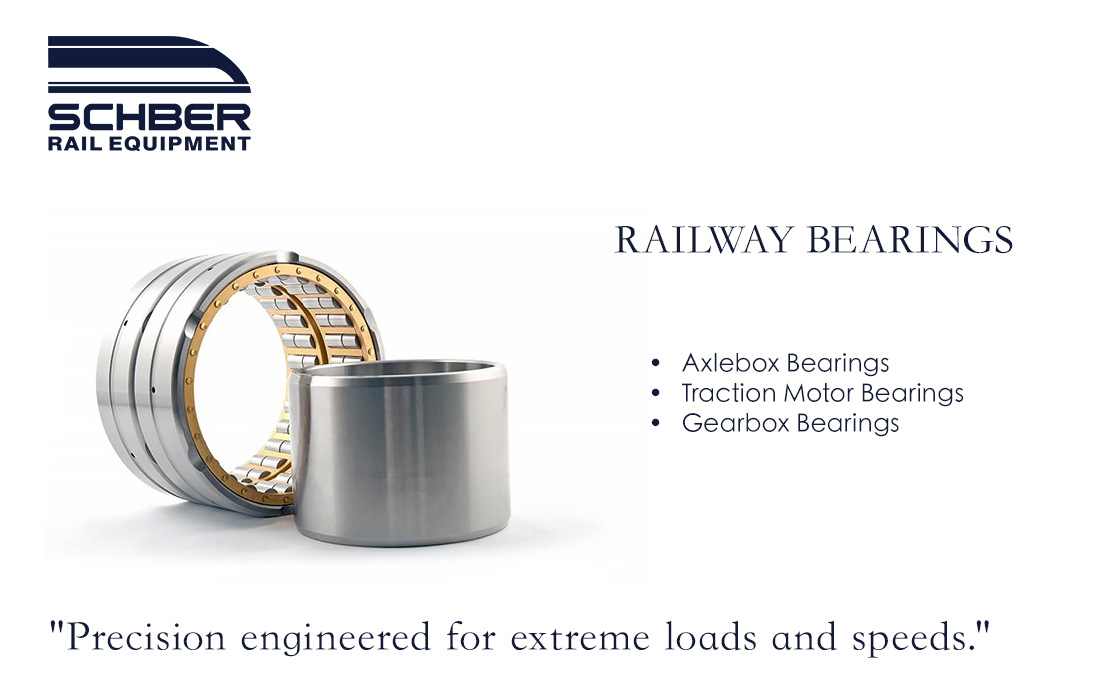
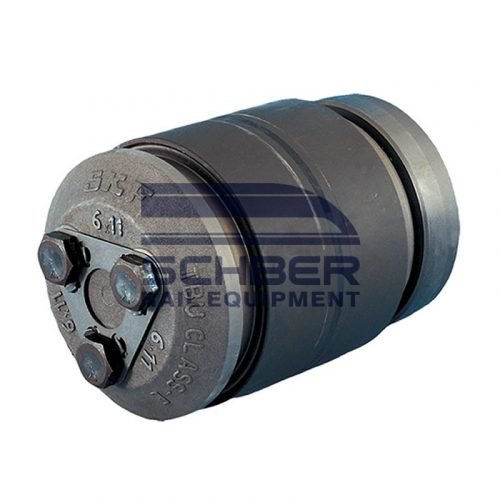
Railway bearings are crucial components of high-speed trains. They are mainly installed inside the axle boxes, but can also be used in traction motors and gearboxes.Bearings support the axles and other rotating components. They reduce rotational friction and also need to withstand the loads generated by vehicle operation.
High-speed trains place high demands on bearings. Bearings need to possess good load-bearing capacity, fatigue resistance, sealing performance, and lubrication performance.Common parameters include bearing inner diameter, outer diameter, width, rated load, speed, and clearance.
5. Traction System
The traction system provides power to the trainset. It mainly includes the traction motor, converter, transformer, and related control equipment.The traction motor converts electrical energy into mechanical energy. This mechanical energy then drives the wheels through the transmission system.Bearings are required inside the traction motor. These bearings must withstand high-speed rotation and temperature changes.
6. Braking System
The braking system controls the speed of the trainset. It helps the train decelerate and stop.High-speed trainsets typically employ multiple braking methods. Electric braking and mechanical braking can work together.The braking system needs to maintain stable performance. It is also a crucial system for the safe operation of high-speed trains.
7. Suspension System
The suspension system is primarily responsible for vibration reduction and improving ride comfort.Trains typically use primary and secondary suspensions. The primary suspension is located between the wheelsets and the bogies. The secondary suspension is located between the bogies and the car body.
A good suspension system can reduce vibrations caused by track irregularities.
8. Control and Auxiliary Systems
EMUs also include train control systems, communication systems, lighting systems, air conditioning systems, and power supply systems.
The train control system monitors the vehicle’s operating status. Auxiliary systems provide necessary operating conditions for passengers and the vehicle.
The Important Role of Railway Bearings in EMUs
EMUs have multiple rotating components. Railway bearings provide stable rotational support for these components.Axle box bearings directly affect the operation of wheelsets and axles. Traction motor bearings affect the operation of the power system. Gearbox bearings affect power transmission efficiency.Therefore, selecting appropriate railway bearings requires consideration of vehicle type, installation location, load, speed, temperature, and operating environment.For railway bearing manufacturers and overseas buyers, understanding the overall structure of an EMU allows for a more accurate assessment of bearing application requirements and the selection of appropriate product models.