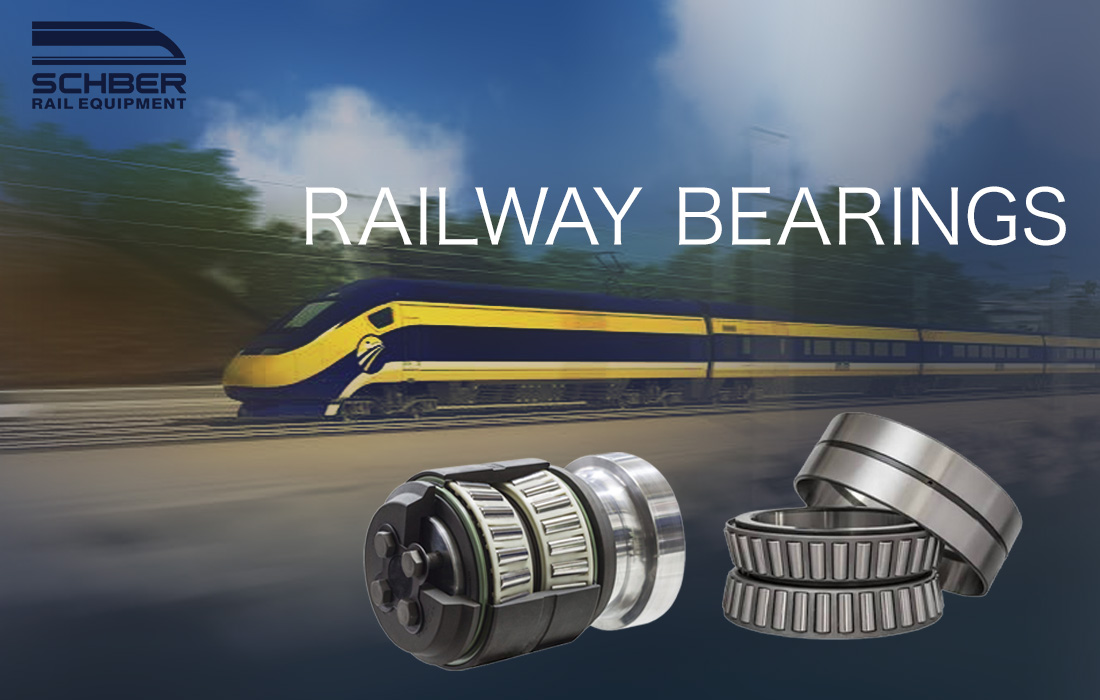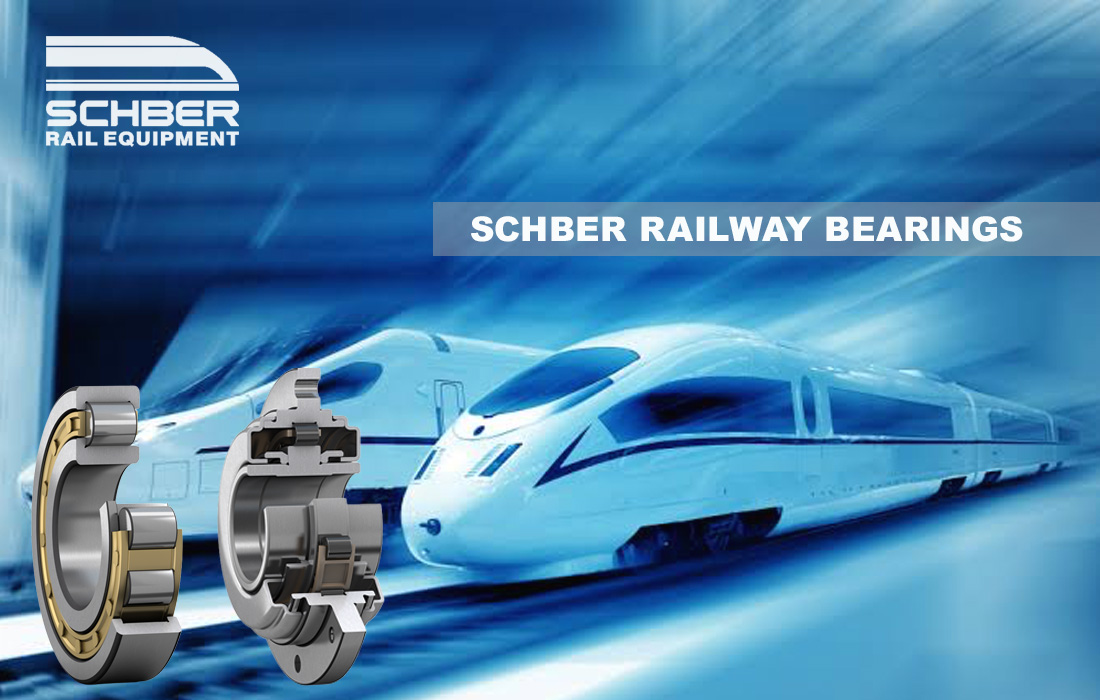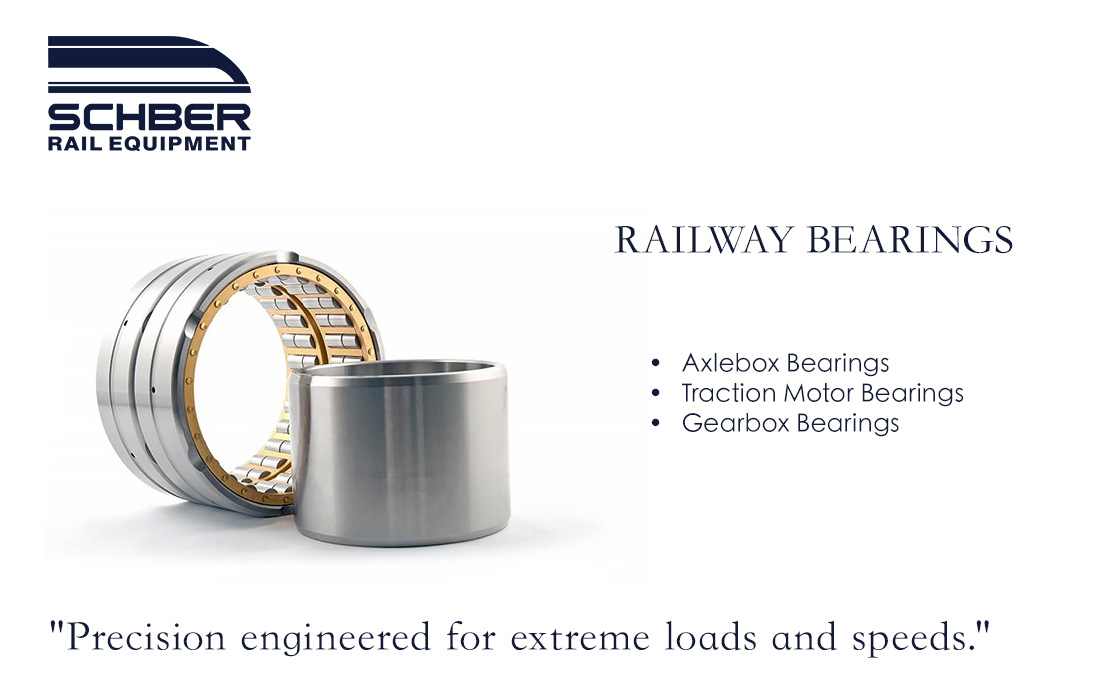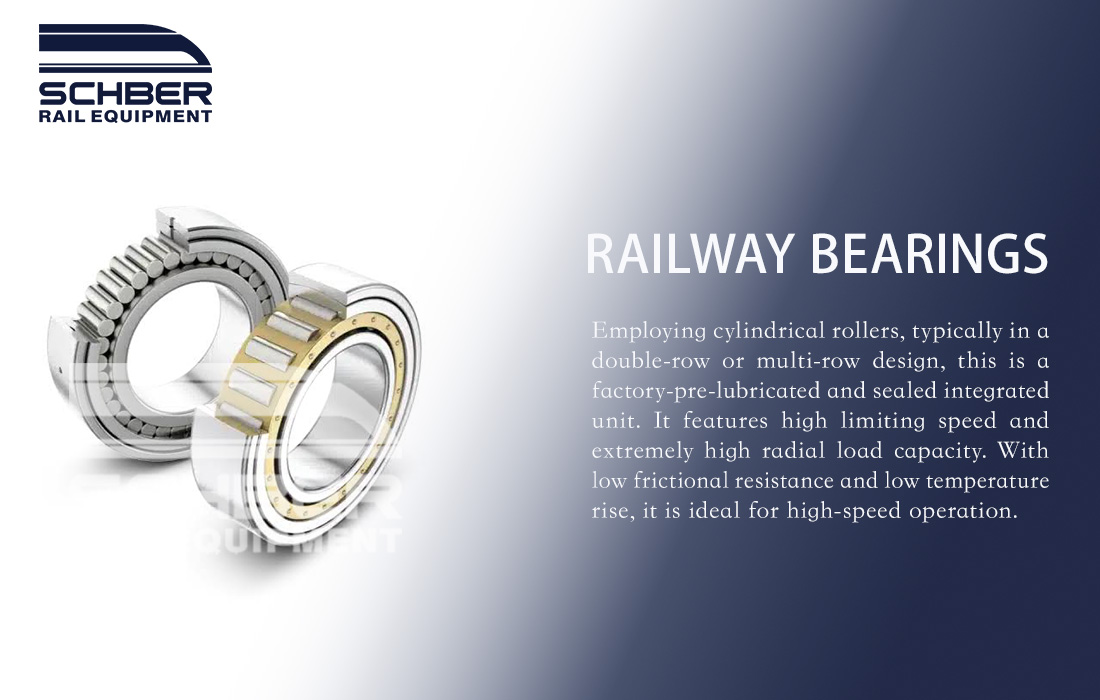
Railway bearings are crucial components of railway vehicles. They are primarily used to support rotating parts and reduce friction during operation. High-speed trains, EMUs, locomotives, passenger cars, freight cars, and urban rail vehicles all require railway bearings.Different locations require different types of bearings. Load, speed, temperature, and operating environment all influence bearing selection.
1. Axles and Axle Boxes
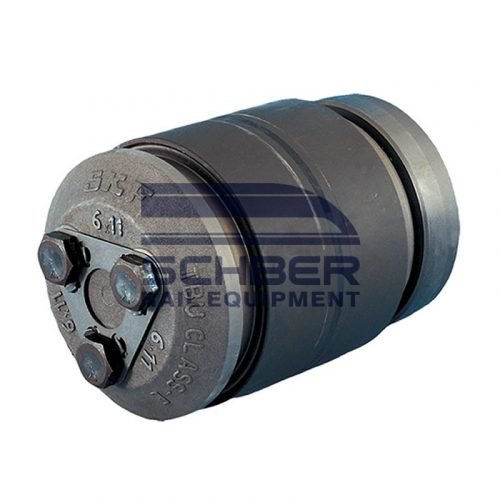
Axles are important rotating components of railway vehicles. Axle boxes are located near both ends of the axle. Railway bearings are typically installed inside the axle boxes.Axle box bearings need to withstand the radial load generated by the vehicle’s weight. Simultaneously, when the train traverses curves, the bearings also need to withstand a certain axial load.Axle box bearings operate at high speeds for extended periods. Therefore, the bearings need to possess good load-bearing capacity, fatigue resistance, and sealing performance.
2. Bogies
Bogies connect the car body to the wheel-rail system. They bear the weight of the vehicle and are responsible for guidance and vibration damping during operation.Railway bearings are crucial components of bogies. Bearings are typically used in conjunction with axle boxes and axles.High-speed trains operate at high speeds. Bogie bearings need to withstand high-speed rotation, vibration, and impact.
3. Wheelset System
A wheelset consists of wheels and axles. It is in direct contact with the rails.Railway bearings support axle rotation. They also need to withstand radial and axial loads generated by vehicle operation.The operating condition of the wheelset bearings affects vehicle stability. Therefore, the bearings need to maintain good precision and operational reliability.
4. Traction Motor
The traction motor provides power to EMUs and electric locomotives.The traction motor contains high-speed rotating components. The motor bearings are responsible for supporting the rotor’s movement.Traction motor bearings need to withstand high speeds. Simultaneously, they need to control friction, vibration, and temperature rise.For some electrified railway vehicles, the bearings also need to consider the electrolytic corrosion caused by current flow. Therefore, insulated bearings also have certain application requirements.
5. Gearbox
The gearbox is responsible for transmitting power. It connects the traction motor to the wheel drive system.The gearbox contains multiple rotating components. Gearbox bearings are responsible for supporting the gear shafts.Gear meshing generates significant loads and vibrations. Therefore, gearbox bearings require excellent load-bearing capacity and impact resistance.
6. Other Railway Equipment
Railway bearings are also used in auxiliary motors, fans, pumps, and other rotating equipment.Different equipment operates at different speeds and loads. Bearing suppliers need to select appropriate bearing structures based on specific operating conditions.Main Application Vehicles for Railway BearingsRailway bearings cover a wide range of railway vehicles.High-speed trains require bearings with high speeds and high reliability.EMUs (Electric Multiple Units) require axle box bearings, traction motor bearings, and gearbox bearings.Electric locomotives require axle bearings, traction motor bearings, and other products.Railway freight cars typically bear large loads. Therefore, bearings need to have strong load-bearing capacity.Metro and urban rail vehicles need to adapt to frequent start-stop operating environments.
How to Choose Railway Bearings?
Railway bearing selection needs to consider the installation location and vehicle type. Buyers also need to pay attention to bearing size, load, speed, clearance, and temperature range.
Lubrication methods and sealing structures are equally important. For high-speed railway applications, fatigue life, vibration, temperature rise, and operational stability are also key considerations.
Railway bearings have a wide range of applications. Understanding different installation locations helps purchasers accurately select product types and models. For railway bearing manufacturers, it also allows for the provision of more suitable technical solutions based on specific vehicles and operating conditions.