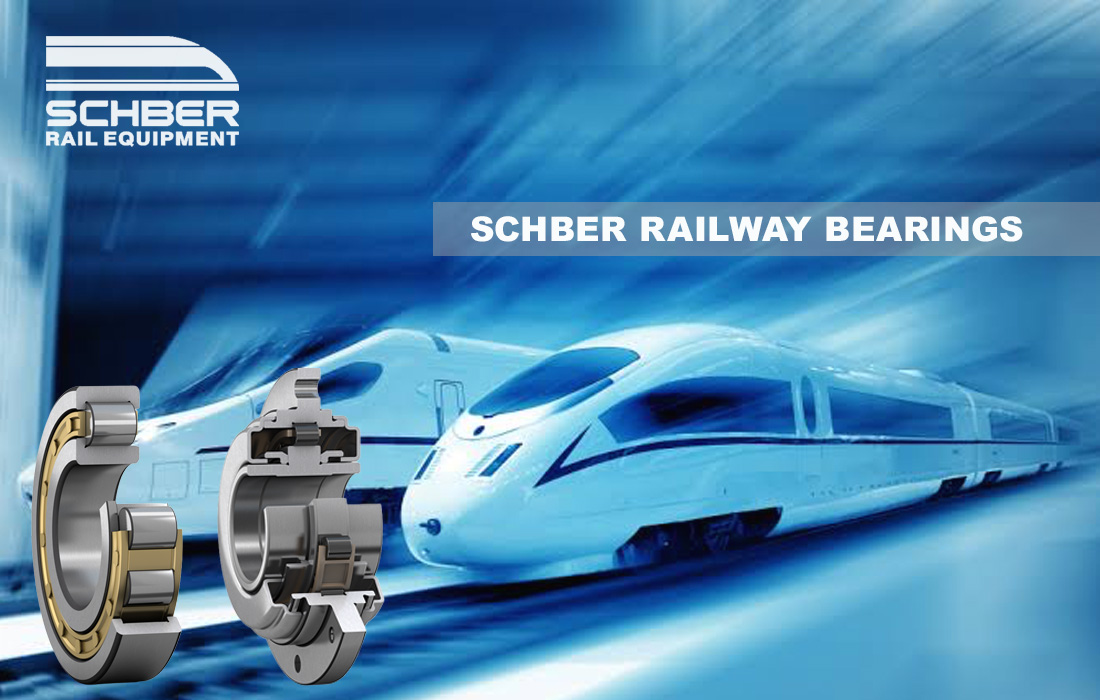
A high-speed train bogie is a crucial running gear located at the bottom of the train. It connects the car body to the wheel-rail system. The bogie bears the weight of the car body and is responsible for guidance, load-bearing, and vibration damping during train operation.High-speed trains need to maintain stable operation at high speeds. Therefore, the bogie has a significant impact on vehicle safety, comfort, and running performance.
What is a High-Speed Train Bogie?
Bogies are typically located under the car body of a high-speed train. Each car generally has two bogies. The bogies contact the rails through axles and wheelsets.When the train traverses curves, the bogie helps adjust the vehicle’s direction of travel. At high speeds, the bogie also controls the lateral and vertical movement of the vehicle.Different high-speed trains employ different bogie structures. Designers select the appropriate design based on speed, load, track conditions, and vehicle structure.
Main Structure of a High-Speed Train Bogie
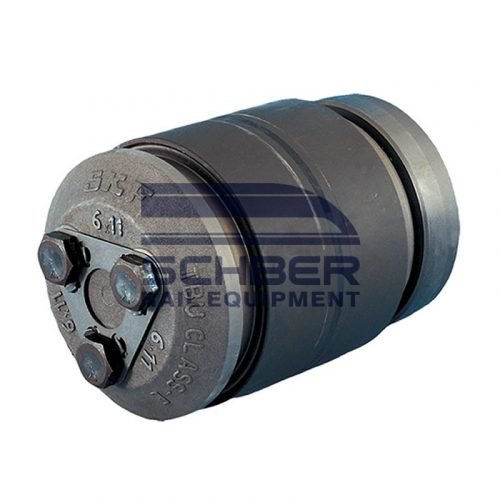
A high-speed train bogie typically includes a frame, wheelsets, axles, axle boxes, bearings, suspension system, and braking componentsThe frame is the main load-bearing structure of the bogie. It connects multiple key components and bears the loads during vehicle operation.The wheelset consists of wheels and axles. The wheelset is in direct contact with the rails. It is responsible for transmitting traction, braking force, and vehicle load.The axle box is mounted near both ends of the axle. Bearings are typically installed inside the axle box. The bearings support the high-speed rotation of the axle and bear the loads during operation.The suspension system is primarily responsible for vibration damping. The primary suspension is usually located between the axle box and the frame. The secondary suspension is usually located between the frame and the car body.The braking system is responsible for reducing train speed. High-speed trains require high-performance braking systems to ensure operational safety.
How the bogie works:
When the train is running, the weight of the car body is transferred to the bogie through the secondary suspension. The bogie then transfers the load to the wheelsets.
The wheelsets maintain contact with the rails. After the wheels rotate, the train moves forward.The axle needs to rotate continuously at high speed. Bearings reduce friction during axle rotation. The axle box bearings also need to withstand the weight of the vehicle and operational shocks.When a train enters a curve, lateral forces are generated between the wheels and rails. The bogie needs to control these forces. The suspension system also absorbs some vibrations.At high speeds, the bogie also needs to control hunting motion. A well-designed bogie can improve train stability.
The Role of Railway Bearings in Bogies
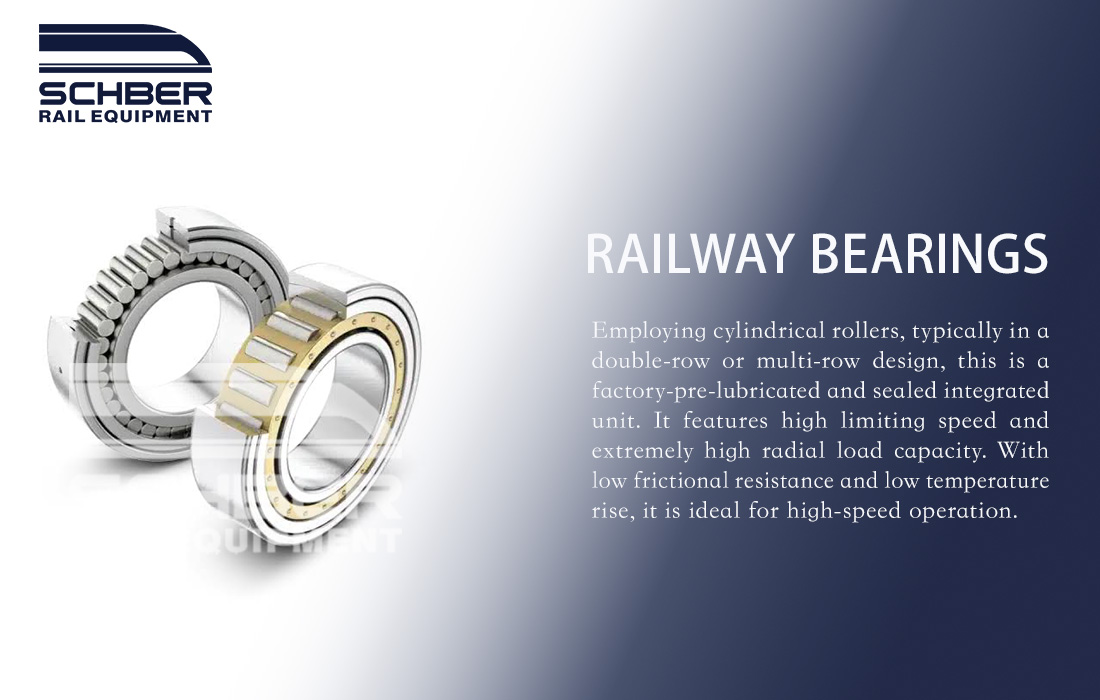
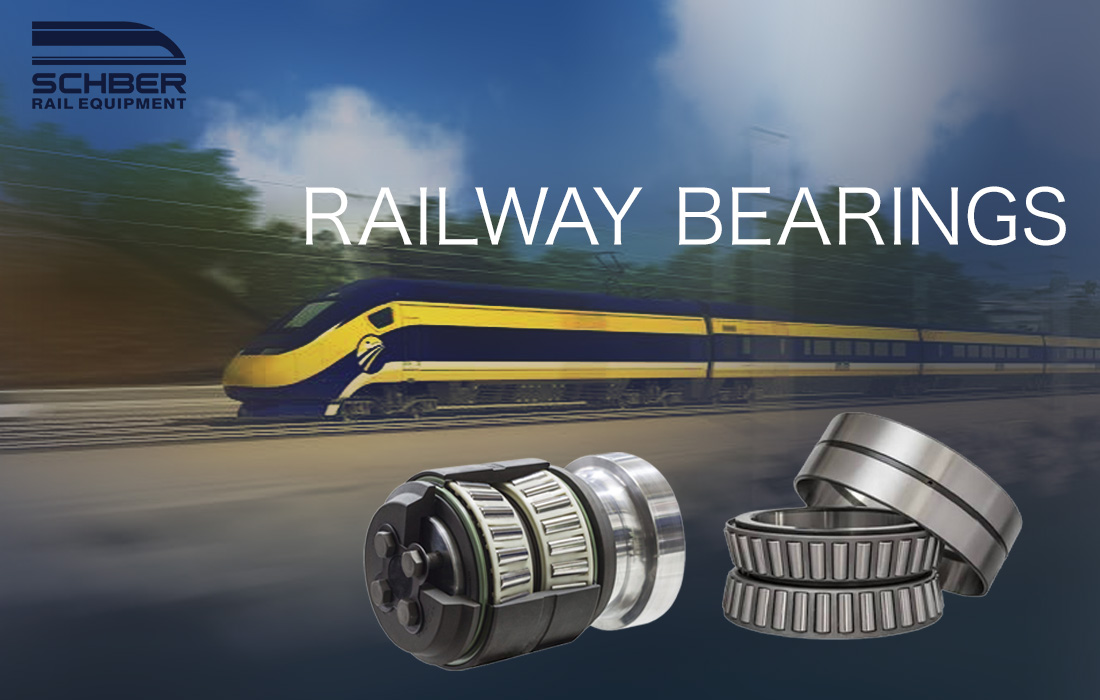
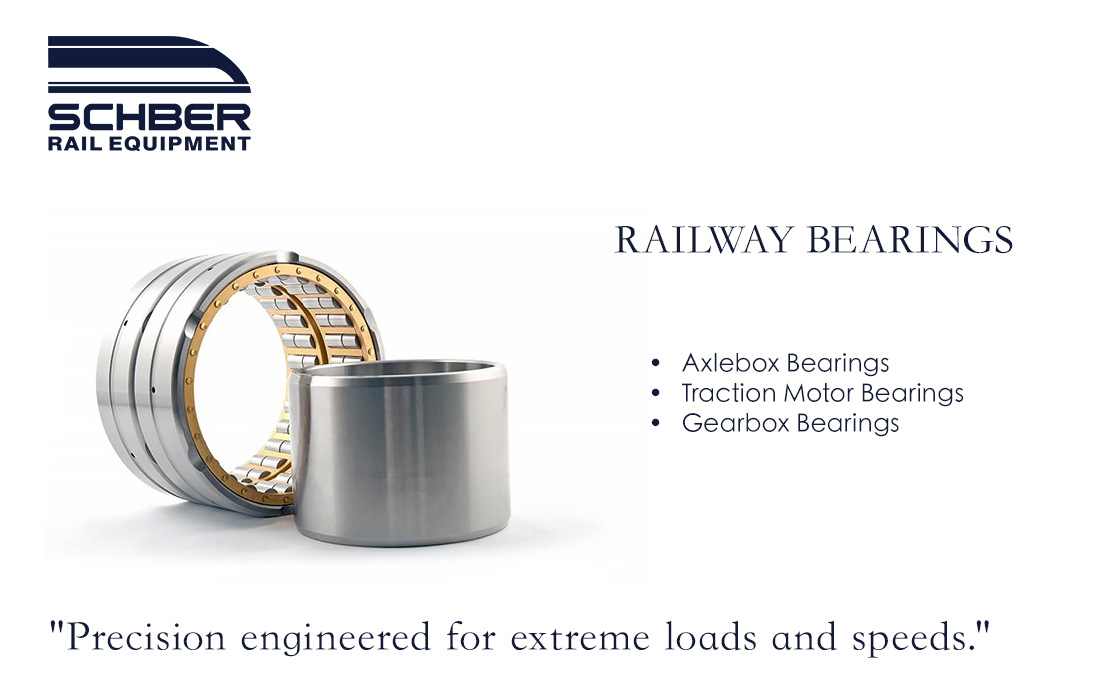
Railway bearings are crucial components of the bogie. They are typically installed inside the axle box.
Bearings need to withstand significant radial loads. When the train passes through curves, the bearings also need to withstand axial loads.High-speed operation increases bearing speed. Therefore, bearings need to possess good fatigue resistance, sealing performance, and lubrication performance.The main selection parameters for railway bearings include inner diameter, outer diameter, width, rated load, speed, and clearance. Bearing materials, heat treatment, and sealing structures also affect service life.
Why are bogies important for high-speed trains?
Bogies directly affect train stability. They also affect ride comfort and maintenance costs.
High-speed railways are constantly increasing their operating speeds. Bogies also require continuous optimization. Lightweight structures, high-performance suspensions, and intelligent condition monitoring have become important technological directions. Railway bearings also need to adapt to these changes. High reliability, low friction, long lifespan, and good sealing performance help high-speed trains maintain stable operation.For railway bearing manufacturers and purchasers, understanding the structure of high-speed train bogies helps in accurately determining the bearing installation location and actual operating conditions. This allows for the selection of appropriate railway bearing models and technical parameters.