TGV is a globally renowned high-speed train brand. TGV stands for Train à Grande Vitesse, meaning “high-speed train.” France began developing high-speed rail in the 1970s. In 1981, the TGV officially entered commercial operation. Since then, TGV has continuously upgraded its models and technology.
TGV Development History
The French high-speed rail project began in the late 1960s. The French railway department subsequently promoted the research and development of high-speed rail technology. In 1972, France completed the first TGV prototype test. In 1981, the Paris-Lyon high-speed rail officially opened. TGV also began its commercial operation.
The emergence of the TGV changed the way European rail transport is conducted. France gradually built a high-speed rail network. TGV also began connecting major French cities and gradually expanded to other European countries.
As market demand changes, TGV continuously introduces new models. Different models are designed for speed, passenger capacity, line conditions, and operational needs.
TGV Main Models
The TGV has several representative models.The TGV Sud-Est is an early TGV model. It primarily serves the Paris-Lyon line. This model helped establish France’s high-speed rail operating system.The TGV Atlantique mainly serves western and southwestern France. This model features a more efficient vehicle design and increased passenger capacity.The TGV Duplex uses a double-decker design. The double-decker structure increases passenger capacity. This model is suitable for high-speed rail lines with high passenger volume.The TGV Réseau is mainly used for domestic French and international European lines. This model has good line adaptability.The new generation of TGV products is gradually developing towards the Avelia Horizon platform. This platform focuses on energy efficiency, passenger experience, and operating costs. Alstom states that the Avelia Horizon can reach a maximum operating speed of 320 km/h.
Key Technical Features of the TGV
The TGV uses dedicated high-speed rail lines. High-speed lines reduce the speed limitations imposed by traditional railways.
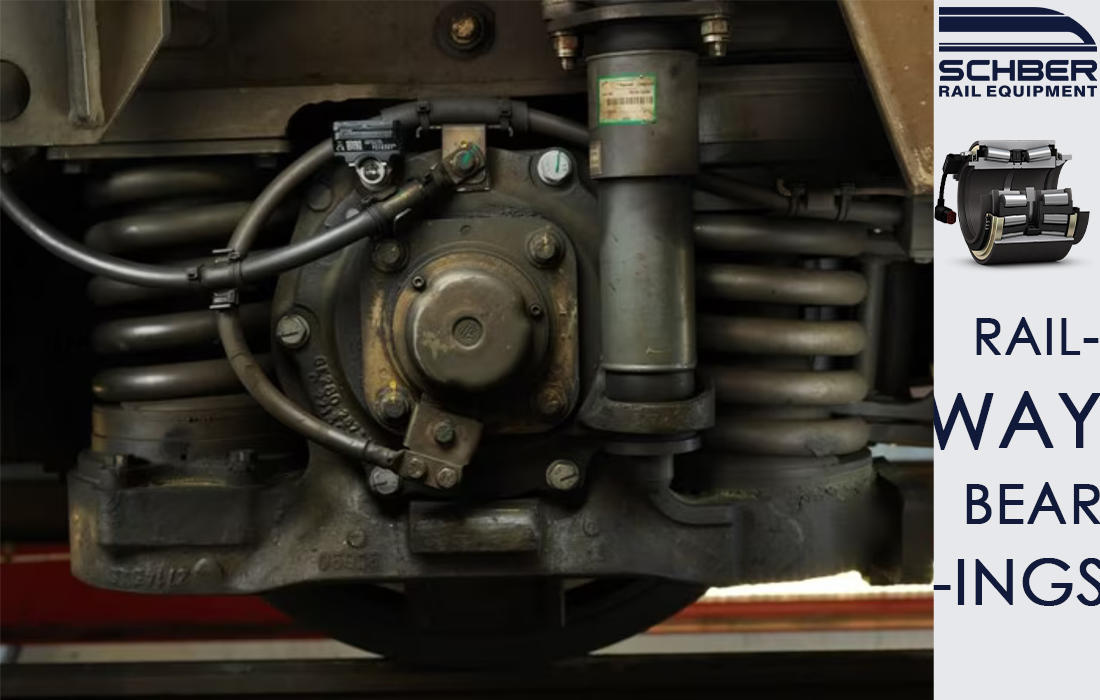
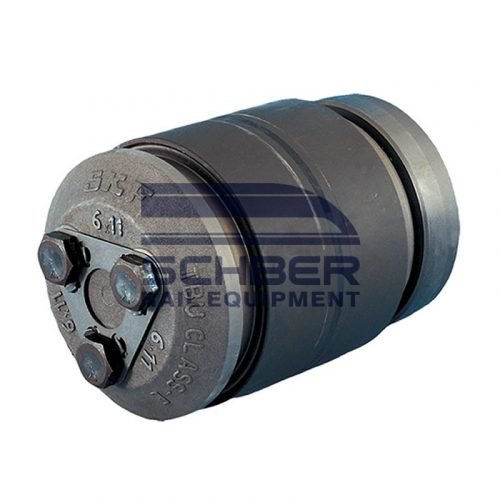
TGVs also employ advanced bogie technology. The bogies bear the weight of the vehicle and are responsible for its operational stability. Wheelsets, axles, and bearings work together to transfer loads during vehicle operation.High-speed operation places higher demands on railway bearings. Bearings need to withstand larger radial and axial loads. Simultaneously, they must adapt to high-speed rotation, temperature changes, and long-term operation.Railway bearings are commonly used in axle boxes, axles, traction motors, and gearboxes of high-speed trains. High-quality bearings help maintain stable vehicle operation.
TGV Requirements for Railway Bearings
High-speed trains require reliable bearing systems. Bearing performance affects vehicle operational safety and maintenance costs.
High-speed railway bearings typically need to possess good load-bearing capacity, fatigue resistance, sealing performance, and lubrication performance. Bearings also need to control friction and temperature rise.Bearing selection needs to consider parameters such as axle diameter, load, speed, clearance, temperature, and mounting structure. Different vehicle structures will also result in different bearing requirements.
TGV Development Trends
Future high-speed trains will continue to improve operational efficiency. Energy saving, lightweighting, and intelligent maintenance will also become important directions.
With the continuous development of high-speed rail technology, railway bearings also need to improve their reliability and service life. Bearing manufacturers need to focus on materials, heat treatment, sealing, lubrication, and condition monitoring technologies.The development of the TGV reflects the long-term accumulation of French high-speed rail technology. It has also driven the development of high-speed rail in Europe. For railway bearing suppliers and purchasers, understanding the TGV model and its technical characteristics helps to further understand the application requirements of high-speed train bearings.