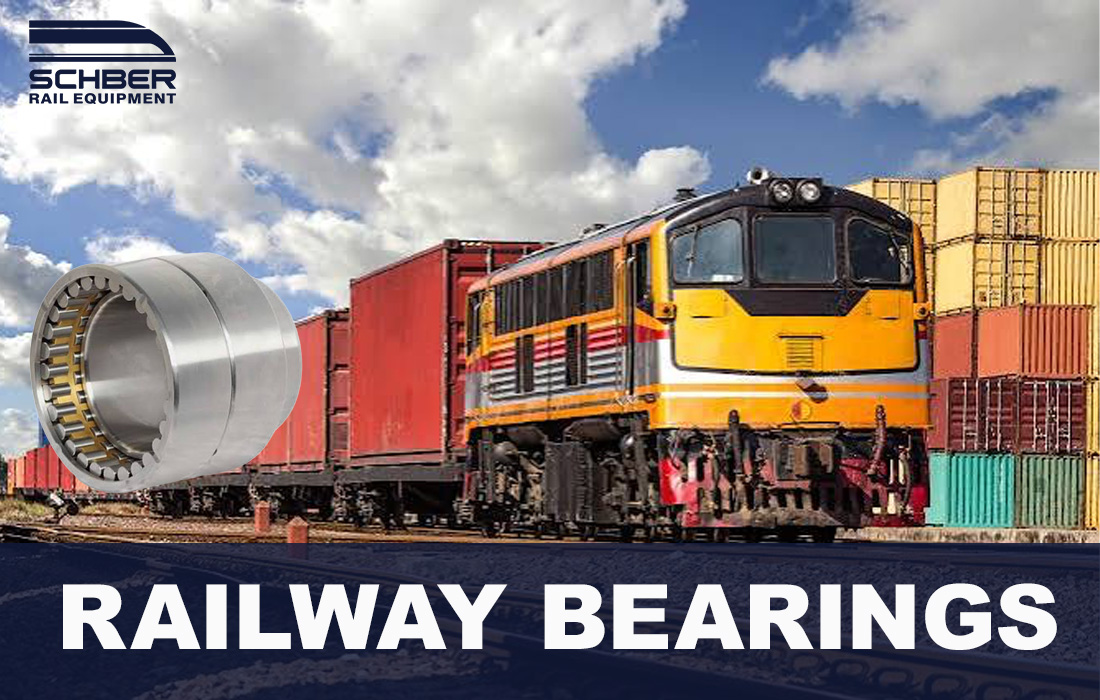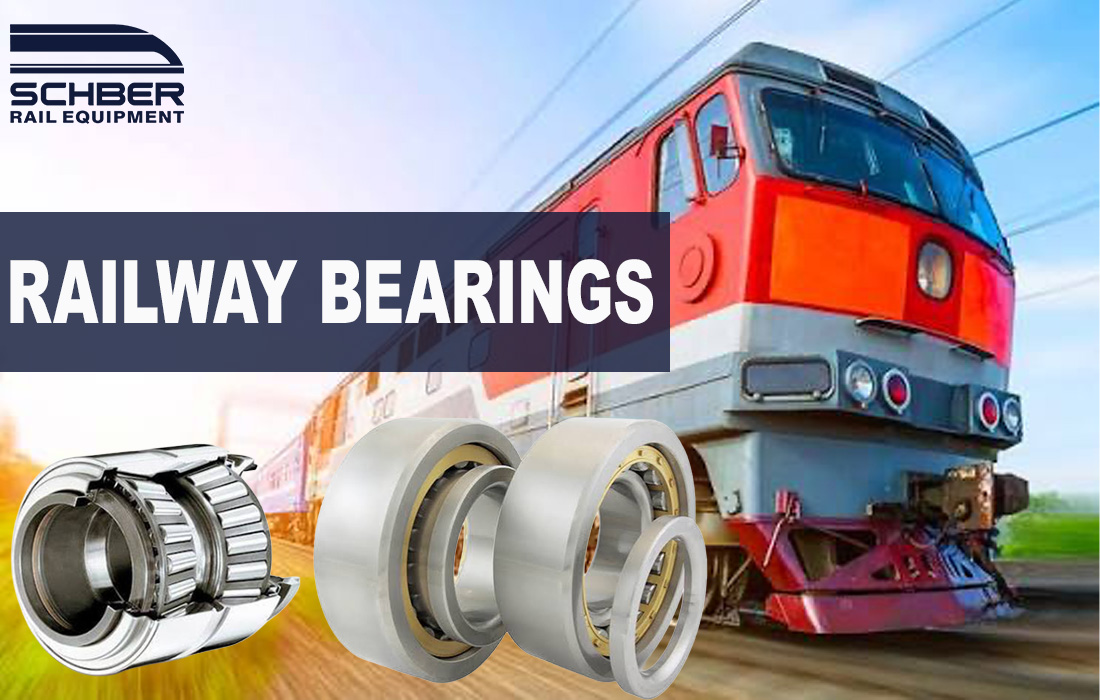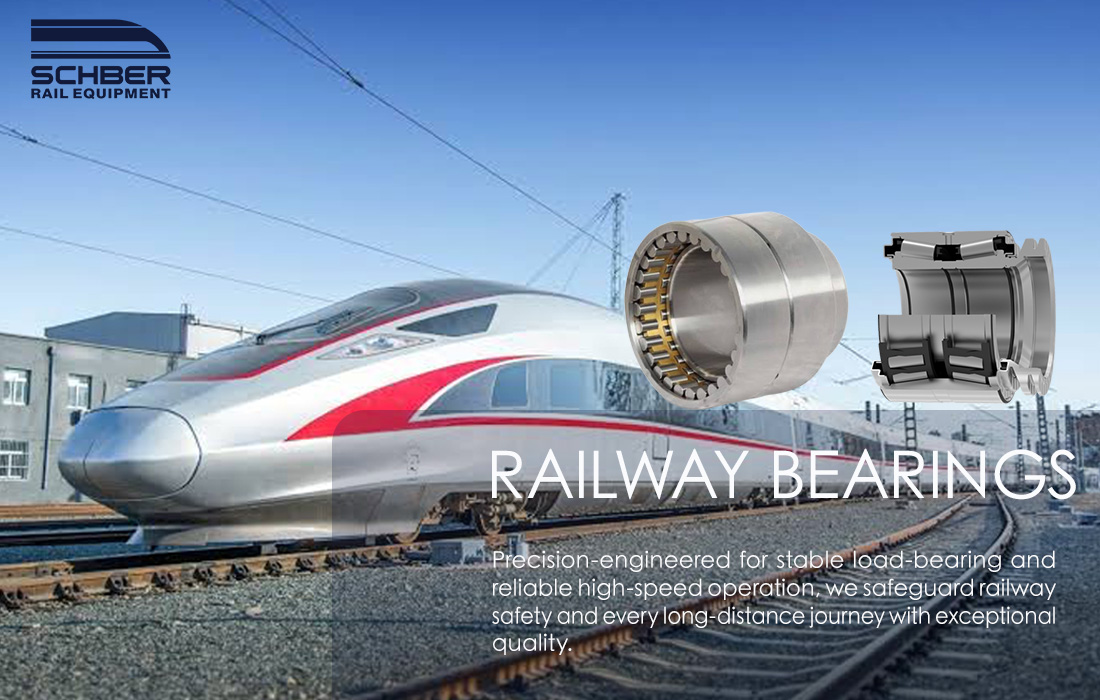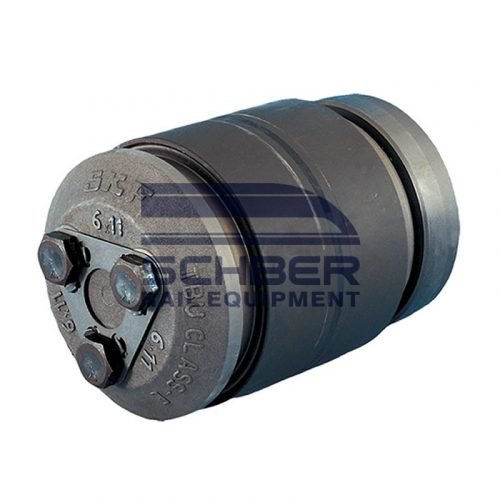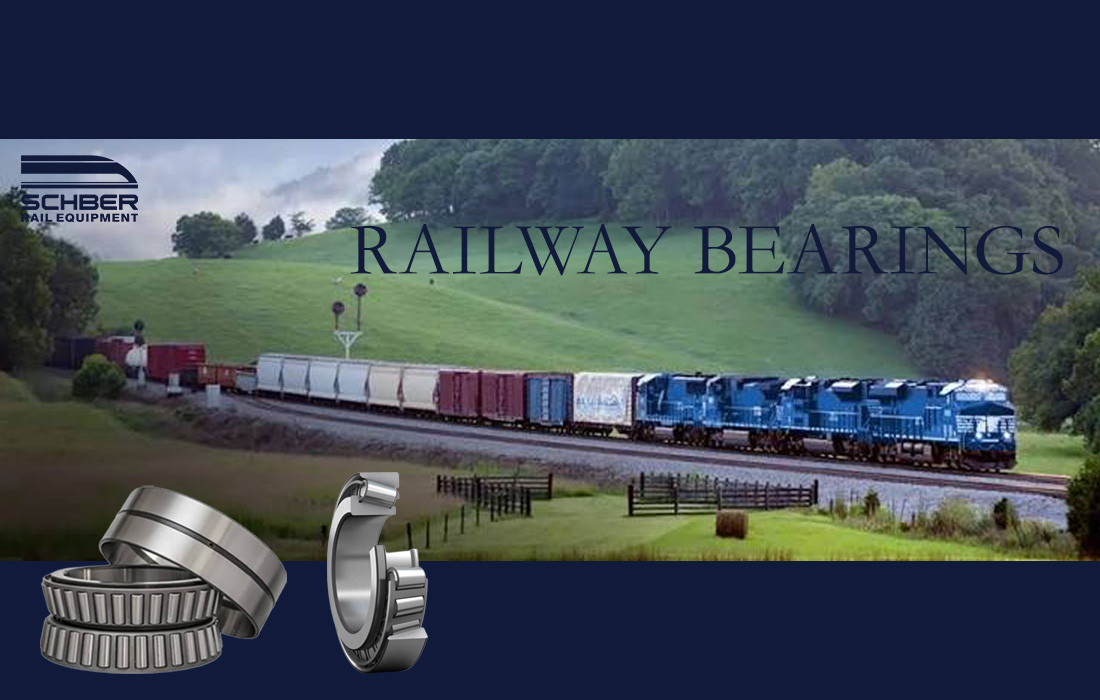
Railway bearings are critical components of railway rolling stock. They are primarily installed in locations such as axle boxes, bogies, traction motors, and gearboxes. When a railway vehicle is in motion, the axles and other rotating parts undergo continuous movement. Railway bearings facilitate stable operation by minimizing friction through rolling contact.
Beyond providing rotational support, railway bearings must withstand complex operating conditions, including high speeds, heavy loads, vibrations, and impacts. Consequently, they play a vital role in the operational efficiency and safety of railway vehicles.
1. Supporting rotating components
The primary function of railway bearings is to provide support. Axle box bearings support the vehicle’s wheelsets and axles; traction motor bearings support the motor rotor; and gearbox bearings support gear shafts and transmission components.Bearings maintain rotating components in a stable position while minimizing direct friction between the shaft and the bearing housing.
2. Reducing operational friction
Railway vehicles operate for extended periods. Continuous rotation of wheels and axles generates friction.Railway bearings utilize rolling elements to achieve rolling contact, thereby reducing frictional resistance during operation. Proper lubrication further minimizes friction and wear.Lower friction levels enhance operational efficiency and reduce energy loss within the bearings.
3. Withstanding vehicle loads
Railway vehicles have significant dead weight, and freight trains must also carry heavy cargo; consequently, bearings are subjected to substantial loads.Railway bearings are designed to withstand radial loads, and certain configurations can also accommodate axial loads.
For instance, bearings for freight wagons must handle high axle loads, while bearings for high-speed trains must maintain stable load-bearing performance at high operational speeds.
4. Accommodating high-speed operation
High-speed rail imposes more rigorous demands on bearings. High train speeds result in high rotational speeds for the bearings.Therefore, bearings for high-speed trains and electric multiple units (EMUs) must maintain high rotational precision. They must also effectively control temperature rise, vibration, and noise.Sound bearing design contributes to the vehicle’s stable operation.
5. Reducing vibration and noise
Railway vehicles generate vibration during operation. Factors such as bearing precision, lubrication status, and installation quality influence vibration levels. High-quality railway bearings maintain smoother rotation, thereby reducing unnecessary vibration and noise.Consequently, electric multiple units (EMUs) and high-speed trains place high demands on bearings regarding low-vibration and low-noise performance.
6. Transmitting operational loads
Railway bearings not only support rotating components but also transmit loads generated during vehicle operation.Axle box bearings transfer loads from the car body and bogie to the wheelset system, while gearbox bearings must withstand the forces generated by gear meshing.Through sound structural design, bearings help maintain stable operational relationships between related components.
7. Protecting critical rotating components
Railway bearings reduce friction between axles, shafts, and bearing housings. Simultaneously, sealing structures prevent dust, moisture, and other contaminants from entering the bearing.Effective lubrication and sealing minimize wear, helping to extend bearing service life and reduce maintenance frequency.
8. Enhancing the operational reliability of railway vehicles
Railway vehicles require long-term operation; bearings must maintain stable performance to meet these demands.Therefore, factors such as materials, heat treatment, machining precision, lubrication, sealing, and assembly quality are critical for railway bearings.
For railway vehicle manufacturers and maintenance providers, selecting the appropriate bearings helps improve operational stability and reduce equipment maintenance costs.
Summary
The primary functions of railway bearings include supporting rotating components, reducing friction, withstanding loads, accommodating high-speed operation, minimizing vibration, transmitting loads, and protecting critical components.
Different installation locations require different types of bearings. For instance, axle box bearings primarily serve the wheelset system, traction motor bearings serve the power system, and gearbox bearings serve the transmission system.Therefore, selecting railway bearings requires comprehensive consideration of vehicle type, installation location, operating speed, load, lubrication method, and operating environment.