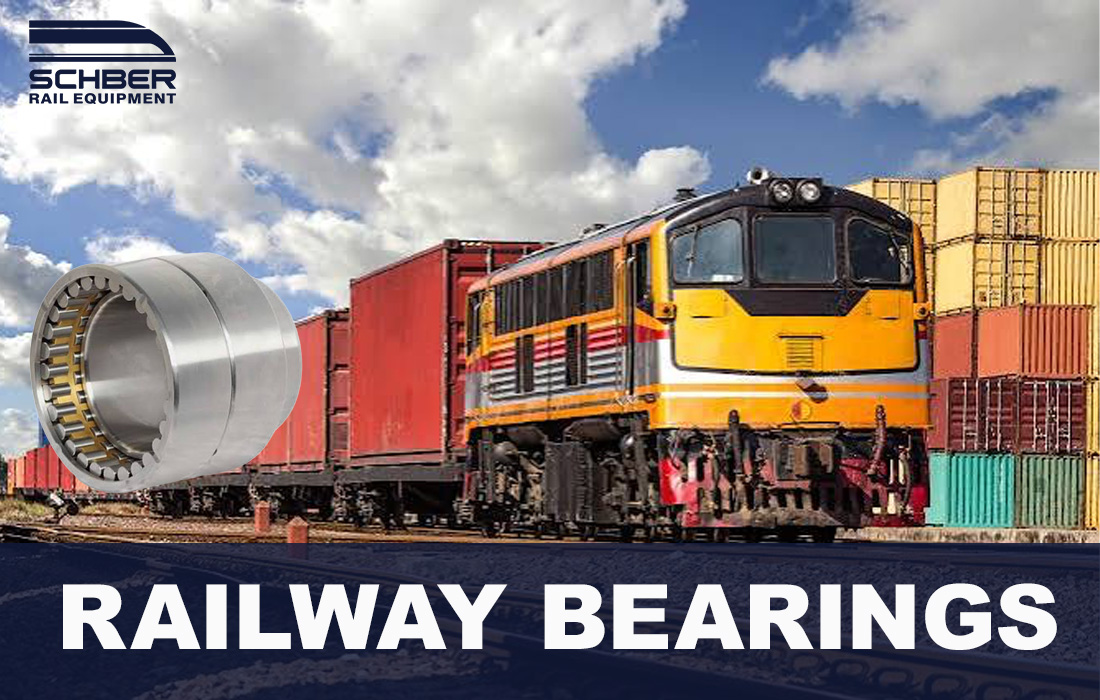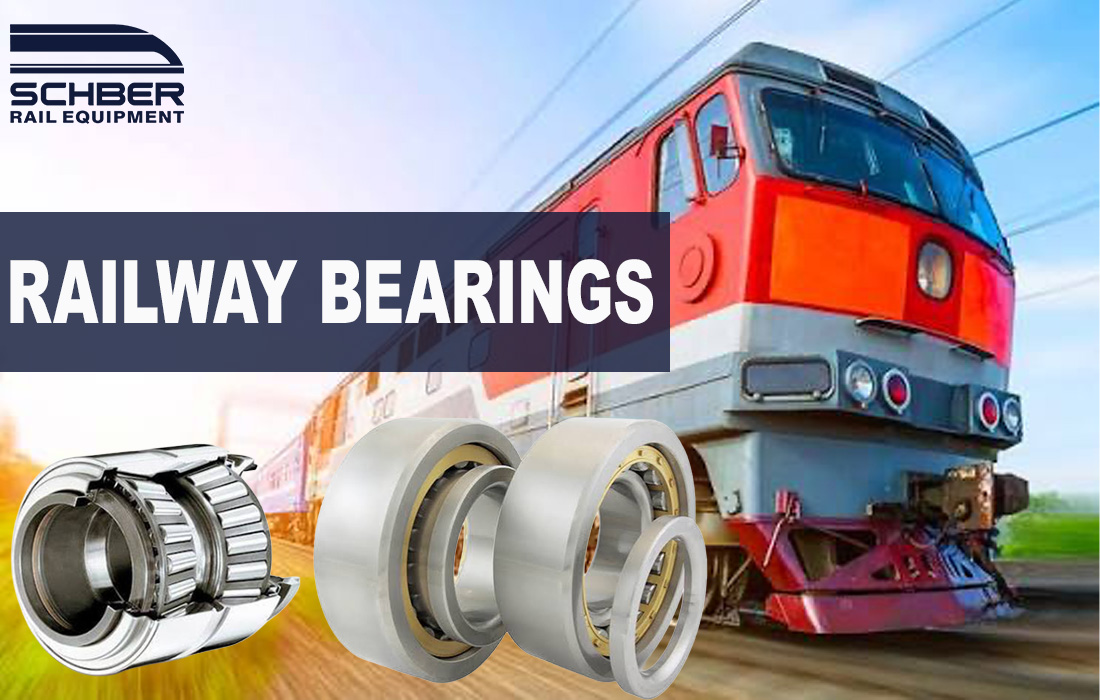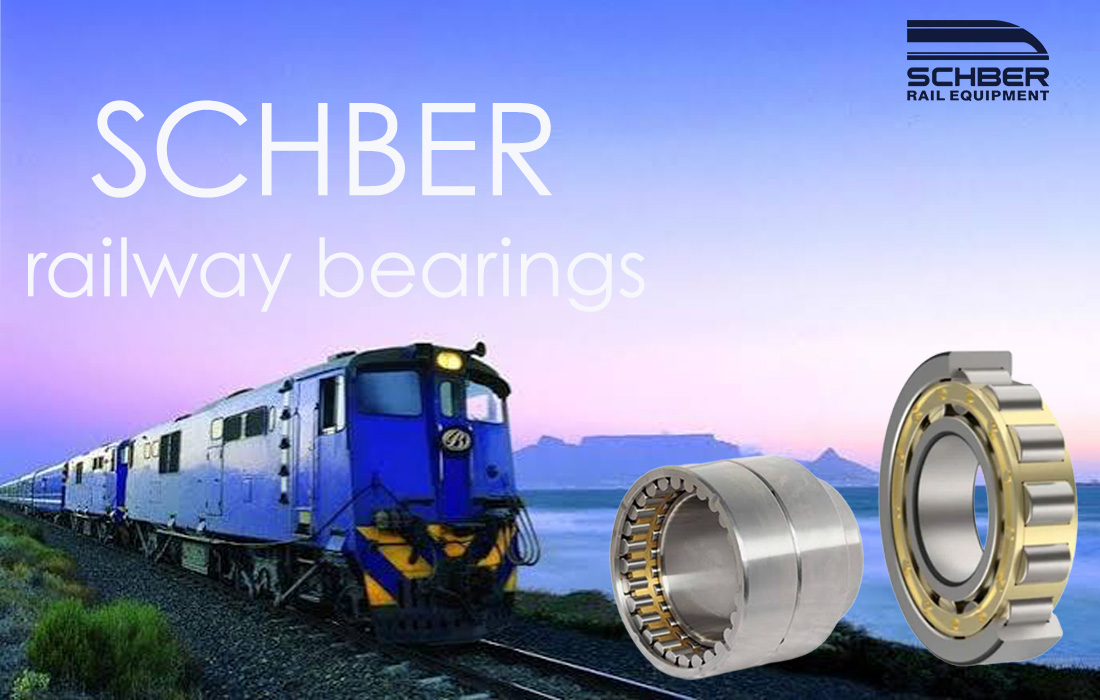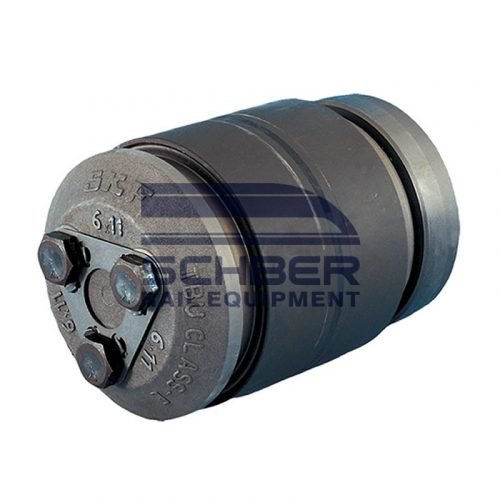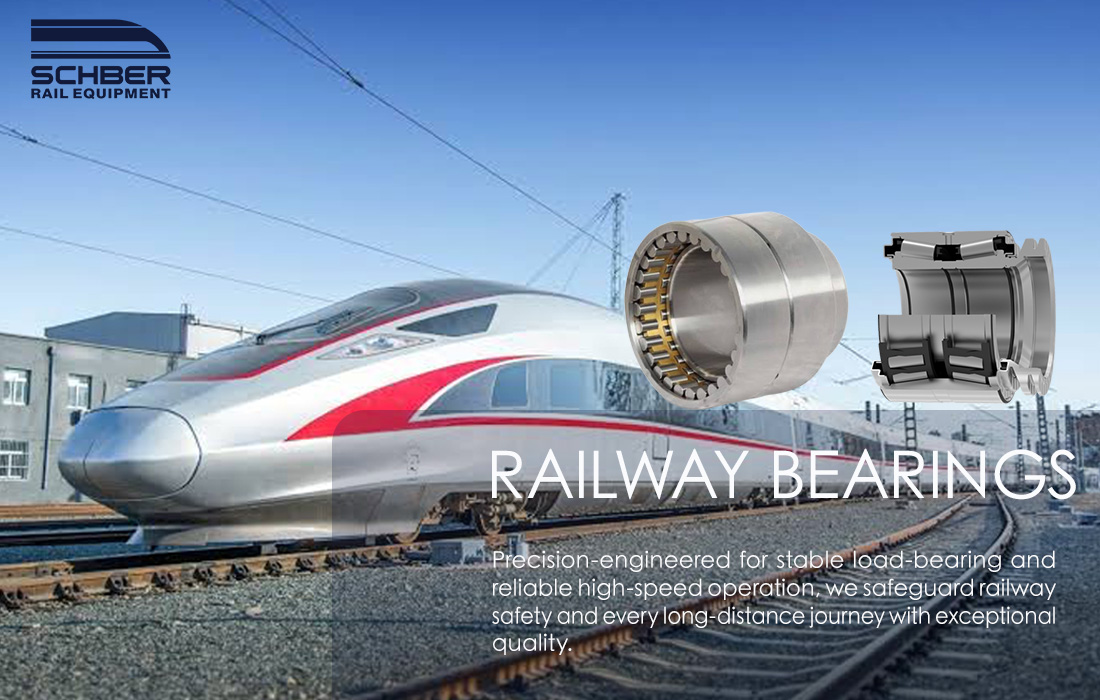
Railway bearings operate over long periods in complex environments. Vehicles traverse areas characterized by high and low temperatures, rain, snow, and dust. Bearings are also exposed to mud, water, oil, and other contaminants.
An effective sealing structure minimizes the ingress of contaminants into the bearing. It also helps maintain the performance of the lubricant. A well-designed seal extends the service life of the railway bearing.Therefore, the sealing structure is a critical component of railway bearing design.
Why Do Railway Bearings Require Sealing?
Railway bearings contain raceways, rolling elements, and lubricant. These components require a clean operating environment.If dust or moisture enters the bearing, contaminants can compromise lubrication effectiveness. They can also accelerate wear on the raceways and rolling elements.
Effective sealing reduces the entry of external contaminants and minimizes lubricant loss.Reliable sealing structures are particularly important for high-speed trains, subways, and heavy-haul trains.
Common Sealing Methods for Railway Bearings
Railway bearings typically employ contact seals, non-contact seals, or combined sealing structures.
1. Contact Seals
Contact seals function by maintaining contact between a sealing lip and the rotating component. They offer excellent protection against dust and water.This structure is suitable for operating environments with high levels of contamination, as it effectively prevents mud, water, and dust from entering the bearing.However, because the sealing lip makes contact with the rotating component, designers must manage friction and temperature rise.
2. Non-contact Seals
Non-contact seals do not physically touch the rotating component, thereby reducing friction.This structure is ideal for railway bearings requiring high-speed operation. Designers must precisely control the sealing gap.If the gap is too large, sealing performance may degrade; therefore, manufacturers must ensure high machining precision.
3. Combined Seals
Combined seals integrate the advantages of different sealing structures, simultaneously addressing requirements for dust protection, water resistance, and low friction.
Given the complex operating environments of railway vehicles, manufacturers can design appropriate combined sealing solutions based on the specific vehicle type and operating conditions.
The Impact of Sealing Materials on Bearing Performance
Sealing materials must be compatible with the railway vehicle’s operating environment. Factors such as temperature, speed, and the type of lubricant affect material performance.
High-temperature environments require good heat resistance, while low-temperature environments demand the retention of elasticity.
The materials must also exhibit good wear resistance. Stable sealing performance during long-term operation helps reduce maintenance requirements.
Sealing Structure and Grease
The sealing structure and the grease must be compatible. An effective seal helps retain the grease within the bearing.Excessive grease can increase internal resistance, while insufficient grease may lead to increased friction and wear.Therefore, railway bearing manufacturers must consider the sealing structure, grease type, and grease fill quantity in conjunction with one another.
How to Evaluate Railway Bearing Sealing Performance?
Overseas buyers can assess sealing performance from several perspectives.First, examine the bearing’s sealing structure and materials. Second, evaluate the product’s capabilities regarding dust and water resistance, as well as temperature adaptability.
Buyers can also request relevant test data from the manufacturer. Test parameters can be determined based on the specific requirements of the railway project.
For high-speed or heavy-haul railway projects, buyers should also pay close attention to the bearing’s operating speed and temperature rise characteristics.
How to Select a Railway Bearing Supplier?
When selecting a railway bearing supplier, overseas customers should not focus solely on price; sealing design capability is equally important.Specialized manufacturers can provide appropriate sealing solutions based on factors such as vehicle speed, axle load, and operating environment.
Manufacturers must also control seal dimensions, materials, and assembly quality. Stable production processes ensure consistent product performance.
Conclusion
The sealing structure of a railway bearing directly impacts lubrication, contamination resistance, and service life. Effective sealing minimizes the ingress of dust and moisture into the bearing.
Contact seals, non-contact seals, and combined seals each have distinct characteristics. Manufacturers must select the appropriate solution based on the vehicle’s operating conditions.
For overseas buyers, selecting a supplier with expertise in railway bearing seal design and manufacturing can help reduce long-term maintenance costs and enhance vehicle operational reliability.