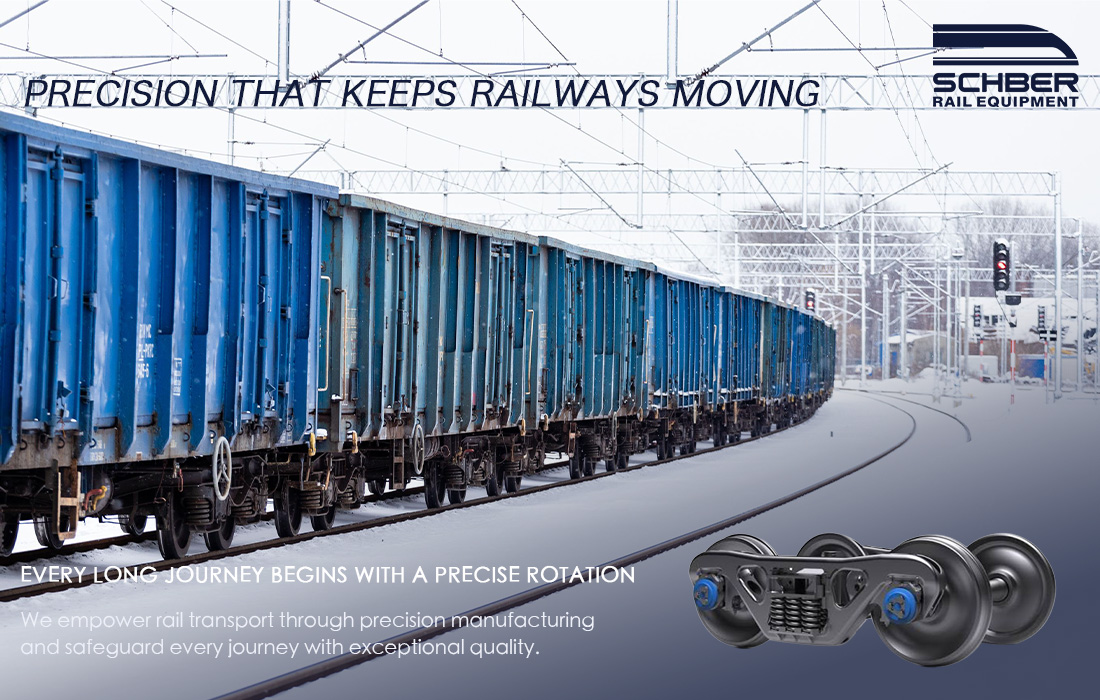
Railway transport systems comprise numerous key components, among which the bogie is a critical structural element influencing vehicle performance. Railway bogies not only support the weight of the car body but also guide the vehicle, cushion track-induced shocks, and enhance operational stability. Railway bearings, installed within the bogie system, perform the essential tasks of supporting wheelset rotation and transferring loads, serving as a fundamental component for ensuring the safe operation of rail vehicles.
As modern railway transport evolves toward higher speeds, heavier loads, and greater intelligence, railway bearing and bogie systems face increasingly complex operating environments. High-speed operation, long-distance transport, and challenging track conditions place higher demands on the load-bearing capacity, operational stability, and service life of railway bearings.
Basic Components of Railway Bogies
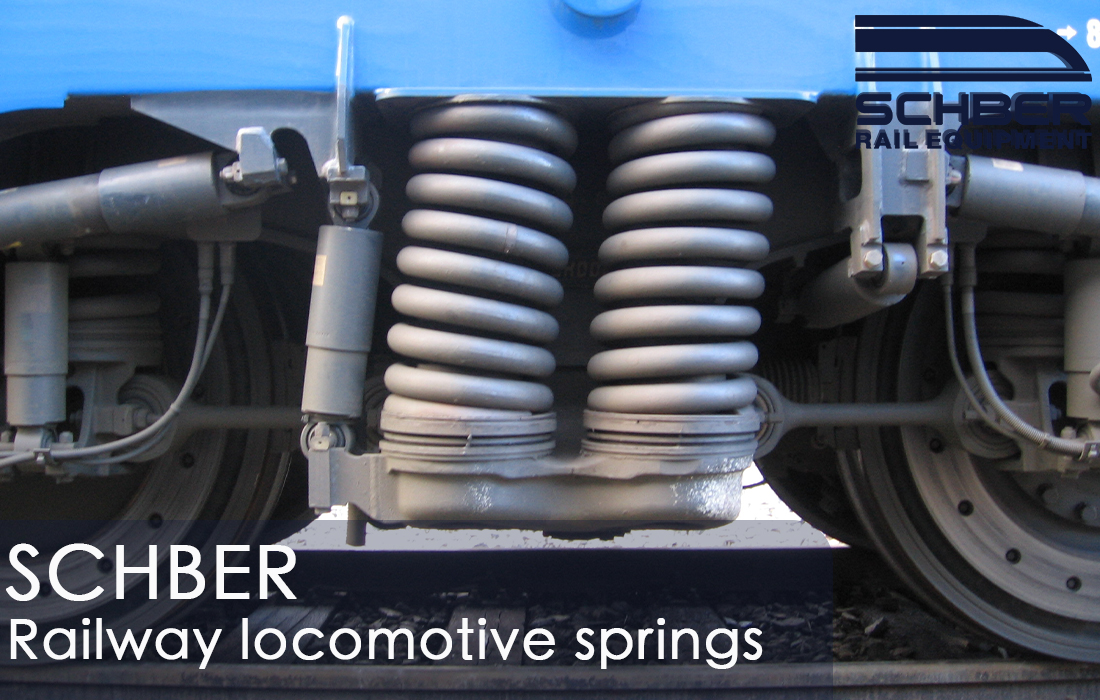
Railway bogies typically consist of a frame, wheelsets, axle box assemblies, spring suspension systems, braking mechanisms, and associated connecting parts. As a vital part of the vehicle’s running gear, the bogie enables stable operation across varying track conditions while mitigating vibrations and shocks during travel.
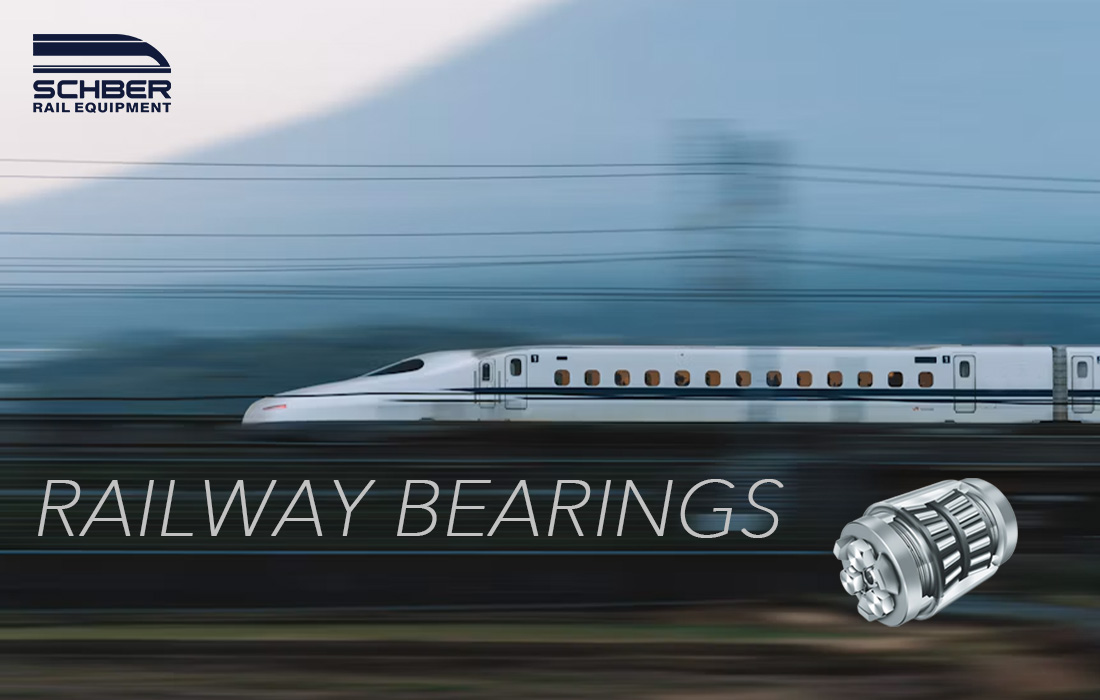
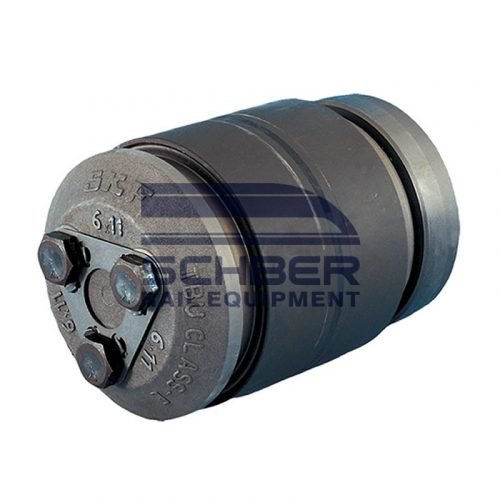
Railway bearings are primarily installed at the ends of the wheelset axles; they utilize a rolling mechanism to minimize frictional resistance during axle rotation, ensuring smooth wheel movement. During operation, the bearings must continuously withstand combined loads resulting from the vehicle’s weight, track irregularities, and operational speeds.
There is an intrinsic link between railway bearings and bogies, with both playing a pivotal role in the safety and ride comfort of the vehicle.
The Critical Role of Railway Bearings in Bogies
Within the bogie system, railway bearings primarily serve functions related to support, rotation, and load-bearing. As the train moves, continuous interaction occurs between the wheels and the rails; the bearings must ensure the wheelsets rotate smoothly, minimize mechanical losses, and enhance operational efficiency.
Furthermore, forces acting in various directions are generated during acceleration, braking, curve negotiation, and high-speed operation. Consequently, railway bearings must possess high load-bearing capacity and impact resistance to withstand these complex operating conditions. Superior bearing performance reduces vibration and noise during operation, ensuring a smoother ride and enhancing the overall reliability of railway transport.
Applications of Railway Bearing Bogies
Railway bearing bogies are widely used across various rail vehicles, including locomotives, passenger trains, freight wagons, high-speed trainsets, and urban rail transit vehicles.
In the locomotive sector, bogies must withstand significant tractive forces and the vehicle’s weight; consequently, the bearings must meet requirements for high loads and prolonged operation. A stable, reliable bearing system helps maintain the locomotive in optimal operating condition.
In heavy-haul rail transport, vehicles typically carry massive loads over long, continuous distances. Therefore, railway bearings require exceptional durability to withstand these heavy loads and complex track environments.
In high-speed rail and urban transit, bearing bogie systems prioritize operational smoothness, low vibration, and safety to ensure a more comfortable travel experience for passengers.
Performance Characteristics of Railway Bearing Bogies
Railway bearing bogies demand high performance standards. First, the bearings must possess robust load-bearing capacity to handle the various loads generated during vehicle operation.
Second, excellent sealing performance is essential. Bearings are often exposed to dust, moisture, and external contaminants during operation; high-quality sealing structures effectively protect internal components and enhance operational reliability.
Furthermore, railway bearings must ensure long-term operational stability. Through optimized structural design, material selection, and lubrication management, wear can be minimized, service life extended, and maintenance requirements reduced.
Development Trends in Railway Bearing Bogies
As rail transit technology advances, railway bearing bogies are evolving toward higher performance, intelligence, and sustainability. Modern railway systems increasingly emphasize equipment condition monitoring, utilizing real-time data analysis to track bearing status and improve vehicle maintenance efficiency.
In the future, railway bearings will see further improvements in load-bearing capacity, operational precision, and environmental adaptability to meet the evolving needs of high-speed, heavy-haul, and smart railway systems. Although railway bearings are small yet critical components of a vehicle, their performance directly impacts the safe operation of the entire vehicle system. From railway locomotives to high-speed trains, and from freight wagons to urban rail transit, reliable railway bogie bearing systems provide a solid foundation for safe and efficient railway transportation.