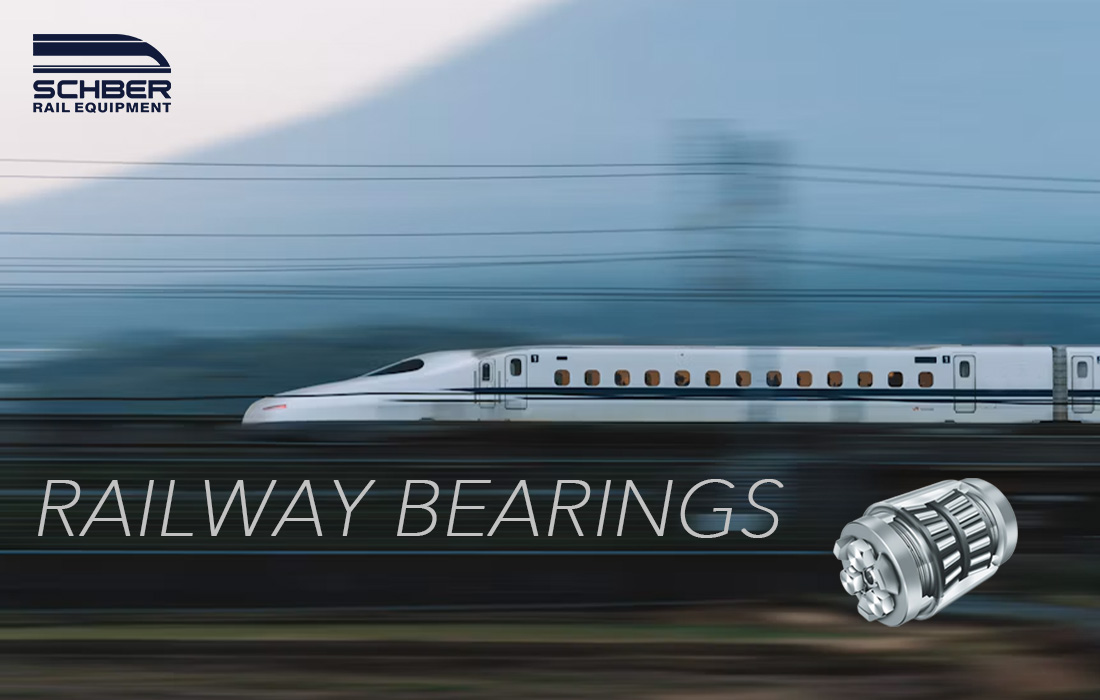
As a crucial part of modern transportation systems, rail transport demands high standards for vehicle safety, stability, and reliability. Railway bearing units play a vital role in support and power transmission during the operation of locomotives, passenger coaches, freight wagons, and urban rail vehicles, serving as key components that ensure smooth vehicle performance.
As rail transport evolves toward higher speeds, heavier loads, and greater intelligence, the performance requirements for railway bearing units have also risen. High-reliability bearing units are capable of withstanding complex operating environments, providing continuous and stable operational support for rail vehicles.
What Is a Railway Bearing Unit?
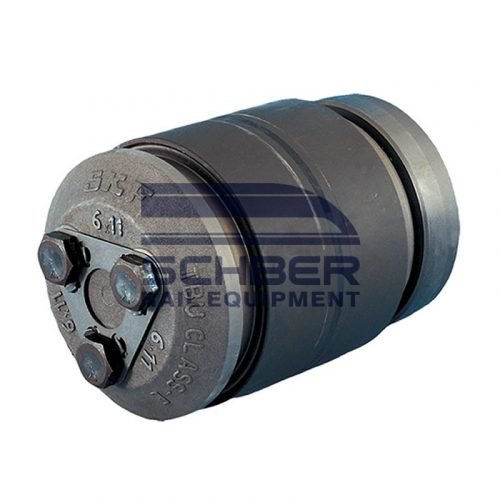
A railway bearing unit is an integrated bearing assembly used in the running gear of rail vehicles; it typically consists of the bearing itself, sealing structures, a lubrication system, and related auxiliary components.
Compared to traditional bearing designs, railway bearing units are compact, stable in operation, and easy to maintain. They effectively reduce friction and vibration during vehicle operation, thereby enhancing overall operational efficiency.
Railway bearing units are widely used in equipment such as locomotives, freight wagons, electric multiple units (EMUs), and urban rail vehicles. Working alongside critical systems—such as wheelsets, bogies, and gearboxes—they ensure the safe operation of the vehicle.
Key Functions of Railway Bearing Units
During train operation, railway bearing units must withstand various loads resulting from the vehicle’s weight, track irregularities, and operating speeds.
First, the bearing unit supports the rotation of the axle, ensuring the wheelset operates stably. A precise structural design minimizes running resistance and improves the vehicle’s ride stability.
Second, railway bearing units possess excellent load-bearing capacity, enabling them to perform reliably in long-distance, high-load environments. In heavy-haul rail transport, bearing units must endure significant impact forces and pressure over extended periods, making reliability paramount.
Furthermore, effective sealing and lubrication designs minimize the impact of the external environment on the bearing’s internal structure, reducing wear and extending service life.
Application of Railway Bearing Units in Locomotive Systems
During locomotive operation, a high degree of coordination is required between the bogie, wheelset, and power system. As a critical component of the wheelset system, railway bearing units significantly impact the operational safety of the vehicle.
In railway locomotive bogies, bearing units facilitate the transfer of vehicle loads and support the rotation of the wheelsets. Stable operational performance minimizes vibration and enhances ride comfort.
Within railway wheelset systems, bearing units must withstand high-speed rotation and complex operating conditions, providing reliable structural support for the connection between wheels and axles.
High-performance bearing assemblies also play a vital role in locomotive gearbox systems and power transmission structures, ensuring the stable operation of the equipment.
Technical Characteristics of Railway Bearing Units
Railway bearing units typically require a range of performance capabilities:
High Load-Carrying Capacity
Capable of meeting the operational demands of various railway vehicle types, including high-speed, heavy-haul, and long-distance transport.
Excellent Sealing Performance
Effectively prevents the ingress of dust, moisture, and other contaminants into the internal structure, thereby enhancing operational reliability.
Long-Term Stable Operation
Optimized material selection, structural design, and lubrication systems reduce wear and extend service life.
Low Vibration and Noise
Precision engineering improves ride smoothness, enhancing the passenger experience and transport efficiency.
Development Trends in Railway Bearing Units
As global rail transportation evolves, higher standards are being set for the core components of railway equipment. Future developments in railway bearing units will focus on lightweight construction, high performance, and intelligent capabilities.
Through the application of advanced materials, precision manufacturing, and condition monitoring technologies, railway bearing units can further enhance operational safety and maintenance efficiency.
Whether for high-speed rail, heavy-haul freight, or urban rail transit, reliable bearing units serve as a crucial foundation for continuous vehicle operation.
Conclusion
Although railway bearing units are specific components within a vehicle, their performance directly influences the safety and efficiency of the entire system.
From locomotives to rolling stock, and from wheelset systems to bogie structures, railway bearing units ensure stable performance during every journey, providing a reliable foundation for modern rail transportation.