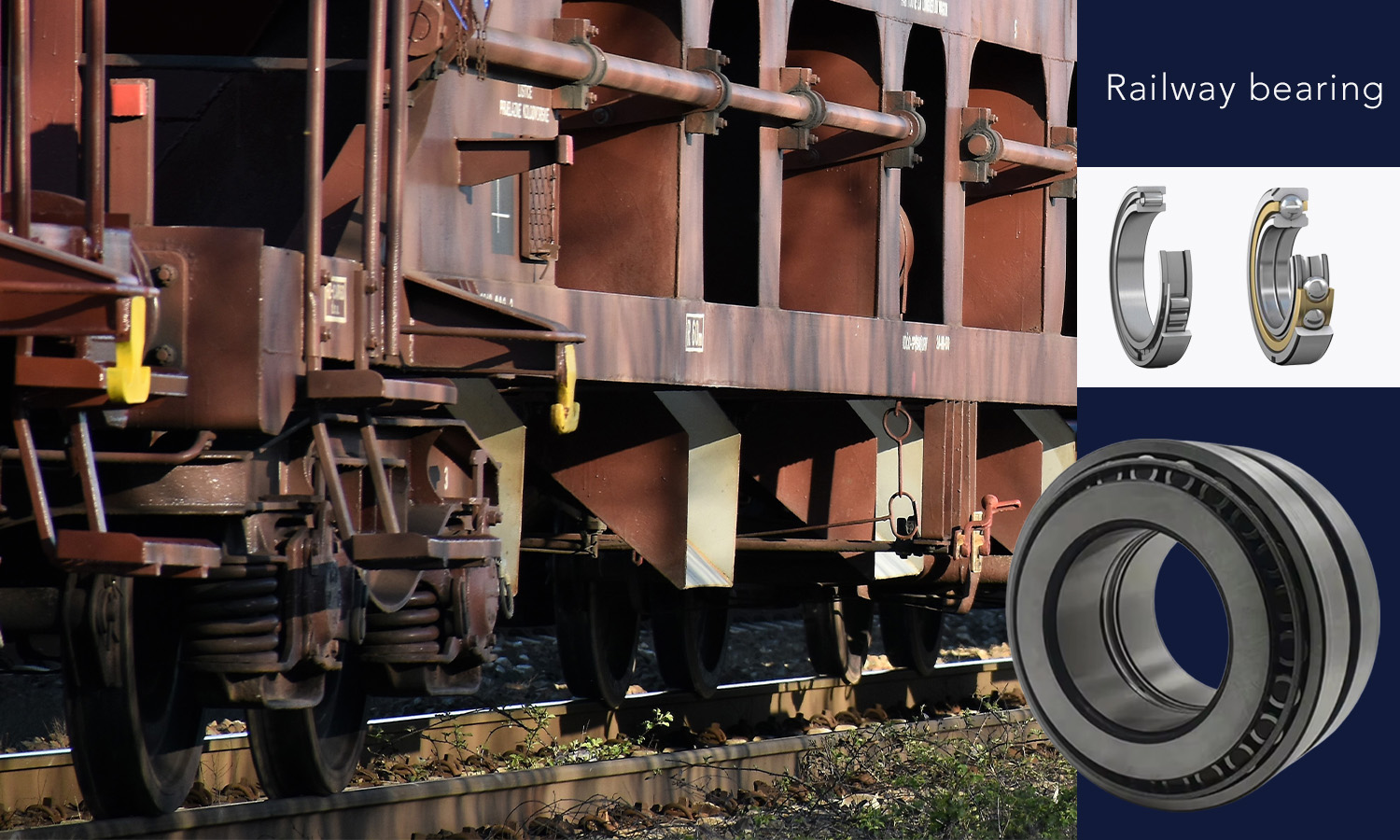
Railway vehicles operate for extended periods, subjecting wheels and axles to continuous loads. Bearings also undergo prolonged rotation and friction; therefore, wear resistance is a critical performance characteristic for railway bearings.
Superior wear resistance minimizes wear during operation and helps maintain stable rotation. Consistent bearing performance is essential for high-speed trains, electric multiple units (EMUs), subways, and freight trains.
Why Railway Bearings Require Good Wear Resistance
Railway vehicles operate for long hours daily, requiring bearings to withstand significant rotational loads. They are also subjected to impacts when wheels traverse track joints, curves, and switches.
These factors increase friction and wear. Long-term wear can compromise the surface condition of raceways and rolling elements, while severe wear may lead to increased vibration and noise.
Excellent wear resistance reduces material loss on contact surfaces. By maintaining stable operation, the bearing minimizes the risk of abnormal friction.
Material Influence on Wear Resistance
Bearing materials directly impact wear resistance. Rolling elements and rings must withstand continuous contact stress, requiring materials with high hardness and fatigue resistance.
High-quality bearing steel can endure high contact loads, and appropriate heat treatment further enhances material properties. A stable material microstructure helps mitigate surface damage during long-term operation.Railway bearings also require good dimensional stability to ensure proper contact between rolling elements and raceways.
The Impact of Lubrication on Wear Resistance
Lubrication is vital for railway bearings. Grease reduces direct contact between rolling elements and raceways, while effective lubrication lowers friction and operating temperatures.
Different railway vehicles operate under varying conditions. High-speed trains require management of temperature rises caused by rapid rotation, whereas freight vehicles must handle substantial axial and radial loads.
Selecting the appropriate lubrication strategy ensures stable bearing operation, and regular lubrication checks help control wear.
Structural Design and Wear Resistance
The structural design of a railway bearing influences load distribution. An optimized internal structure improves the contact conditions between rolling elements and raceways.
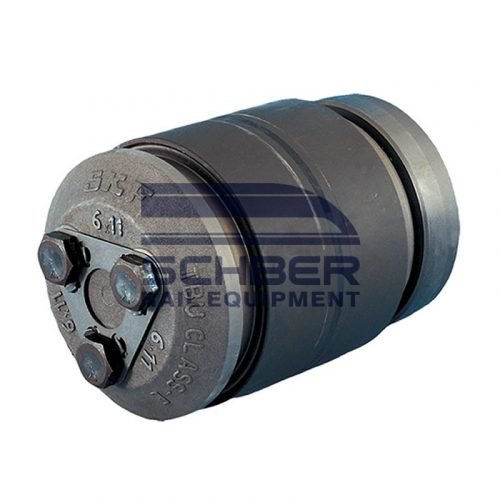
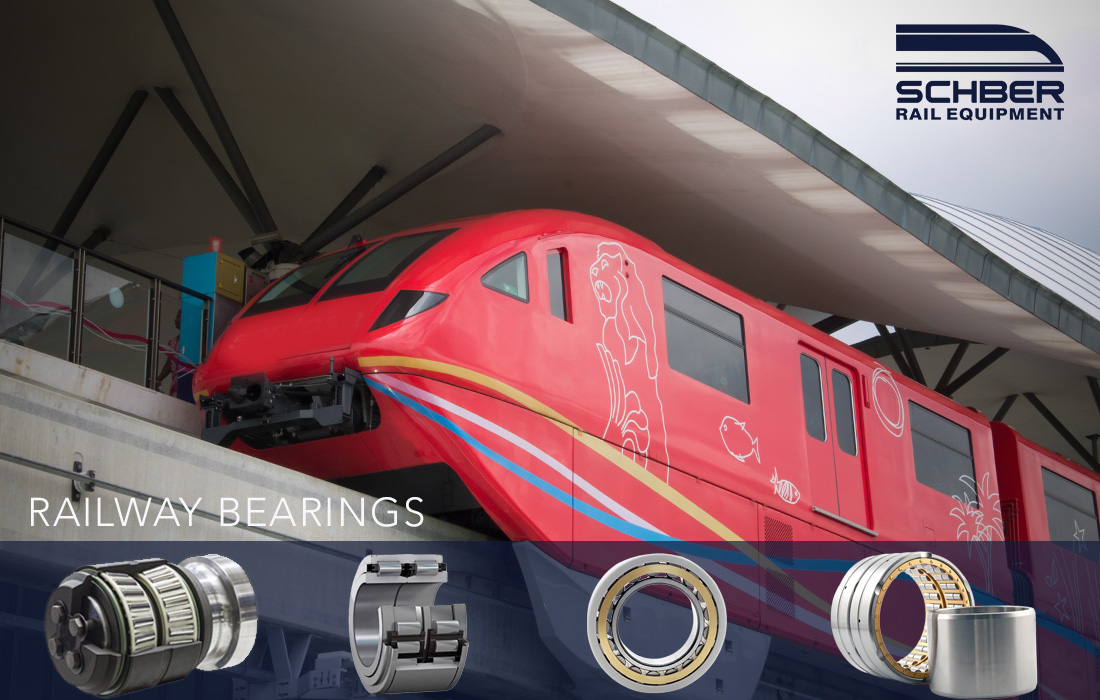
Cylindrical roller bearings, for instance, offer excellent radial load-bearing capacity. Tapered roller bearings can withstand both radial and axial loads simultaneously. Selecting the appropriate type for a specific application requires considering the vehicle’s structure and operating conditions.
Bearing clearance also affects wear resistance. Proper clearance helps maintain stable bearing operation; excessive clearance can increase vibration, while insufficient clearance may lead to increased friction and temperature rise.
The Importance of Wear Resistance in Railway Bearings
Railway bearings must withstand long-term operational environments. Good wear resistance helps maintain stable working conditions for the bearings.
Bearings in high-speed trains, electric multiple units (EMUs), urban rail transit systems, and freight vehicles are subjected to varying degrees of load and friction.
When evaluating the wear resistance of railway bearings, key factors to consider include materials, hardness, heat treatment, lubrication, internal structure, and operating conditions. A comprehensive assessment of these factors allows for a more accurate prediction of long-term operational performance.