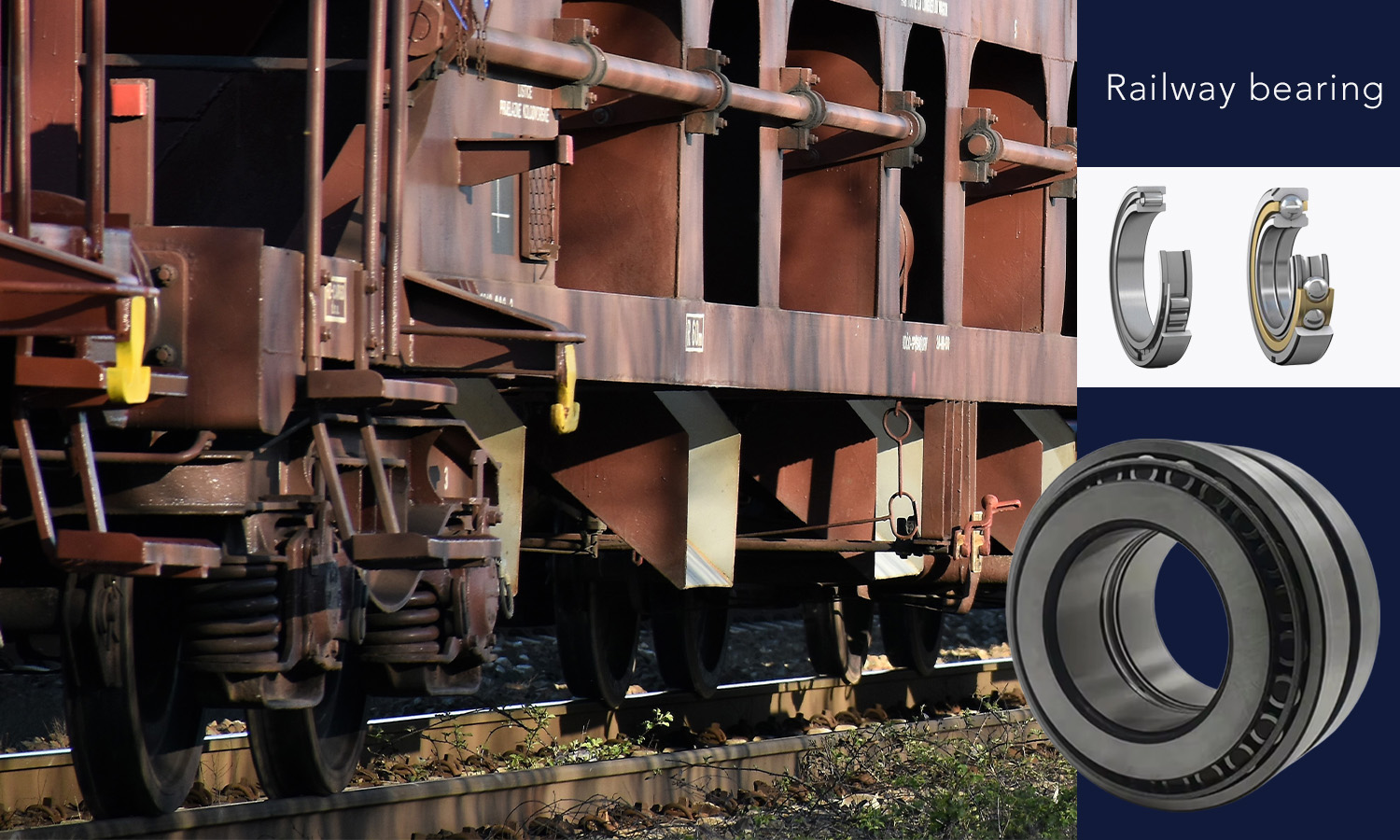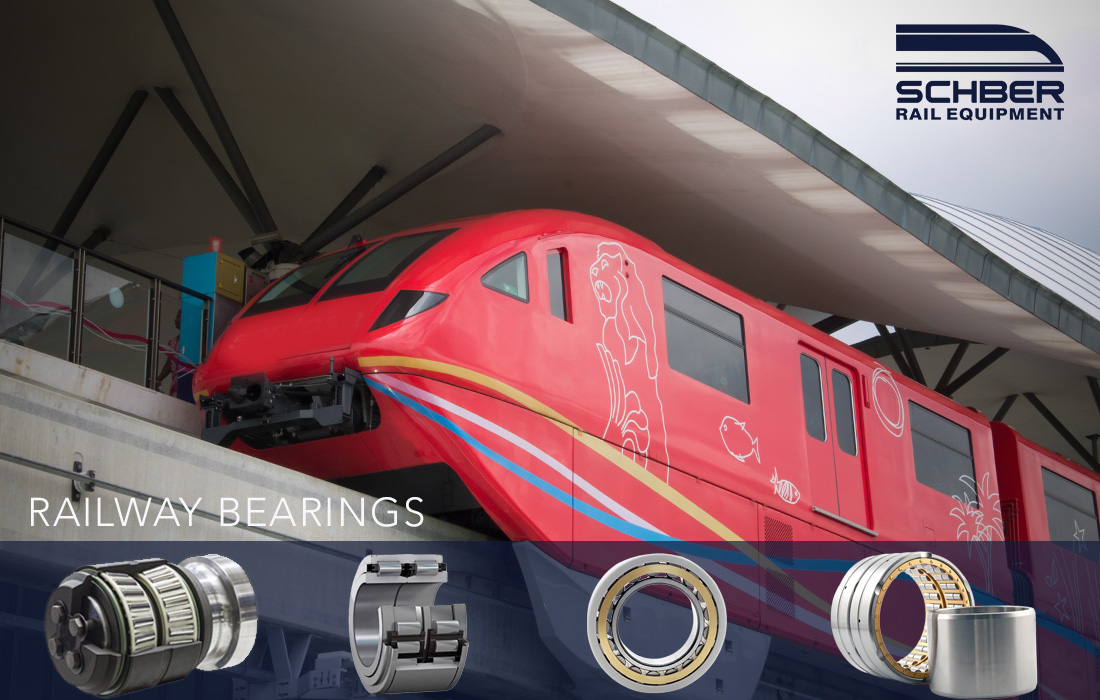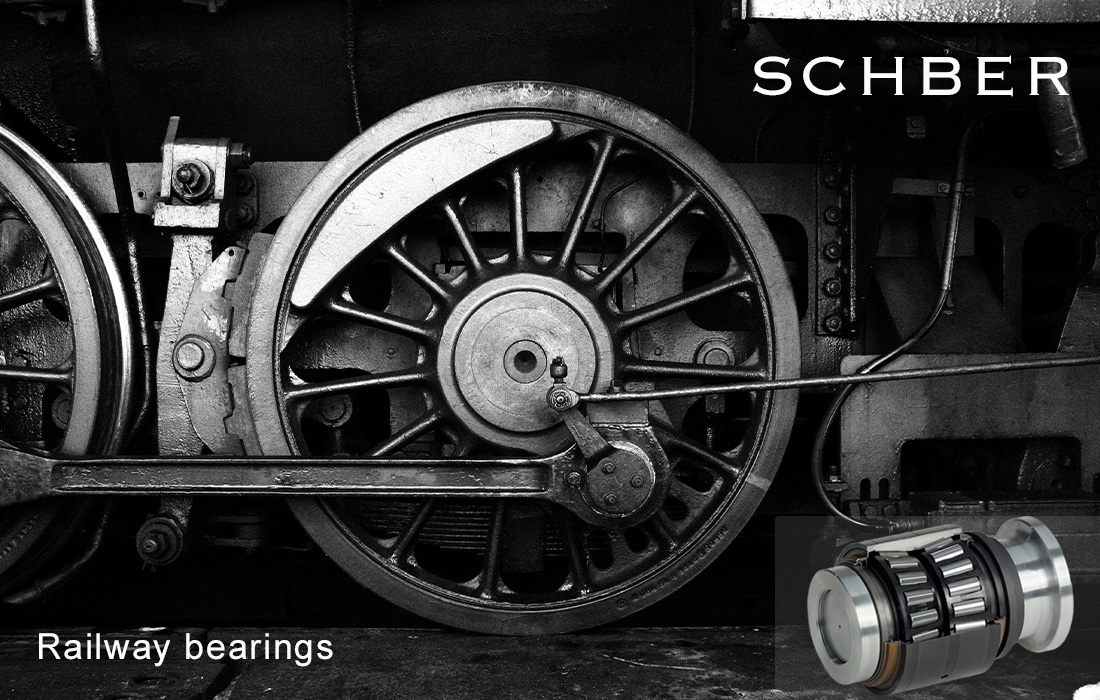
Railway vehicles operate for extended periods in complex track environments. Continuous vibrations occur as vehicles traverse switches, curves, and rail joints. High-speed operation further increases impact forces and dynamic loads. Railway bearings must maintain stable operation while withstanding these complex conditions.
The vibration resistance of railway bearings directly impacts vehicle operational stability. Good vibration resistance minimizes abnormal internal friction and helps reduce operating noise and temperature rise. Bearings must maintain stable rotation even in environments characterized by continuous vibration.
How Railway Bearings Handle Vibration
Railway bearings are typically installed within axle boxes or wheelset systems. During operation, vibrations generated by the track are transmitted from the wheels to the bearings. The bearings must withstand radial loads, axial loads, and instantaneous impacts.
An optimized internal structure improves the bearing’s load distribution. A precise fit between the raceways and rolling elements is essential, as is the correct internal clearance. Excessive clearance can increase operational vibration, while insufficient clearance may lead to increased friction and temperature rise.
Railway bearings must also maintain high rotational precision. Stable rotation reduces periodic vibrations, and sound structural design helps mitigate impacts during operation.
Material and Structural Influences on Vibration Resistance
Bearing materials affect overall operational performance; high-quality materials enable bearings to withstand repetitive loading. Raceway surface quality is equally important, as smooth contact surfaces minimize friction fluctuations during operation.
Bearing structure also plays a role in vibration resistance. Cylindrical roller bearings, tapered roller bearings, and other railway bearing configurations exhibit distinct load-bearing characteristics. Selection depends on factors such as vehicle type, axle load, operating speed, and track conditions.
Railway bearings must also be capable of sustained, continuous operation. Reliable lubrication reduces friction, while effective sealing structures minimize the risk of external contaminants entering the bearing.
Vibration Resistance Requirements for High-Speed Rail
High-speed rail vehicles place greater demands on bearing operational stability. As operating speeds increase, bearings must contend with more pronounced dynamic effects.
High-speed operation results in higher rotational frequencies, and complex interactions arise between temperature, load, and vibration. Consequently, railway bearings must maintain a stable operational state. For high-speed trains, electric multiple units (EMUs), and intercity rail vehicles, the vibration resistance of bearings must be compatible with the overall wheelset system. Proper bearing selection helps ensure smooth vehicle operation.
The Importance of Vibration Resistance in Railway Bearings
Stable railway bearings minimize abnormal vibrations during operation and help control noise and temperature rise. Good vibration resistance also contributes to extending the bearing’s service life.
Practical application requires a comprehensive assessment of factors such as vehicle speed, axle load, wheel diameter, and track conditions. Since different railway vehicles operate under varying conditions, bearing performance must be matched to the specific application scenario.
Railway bearings do more than facilitate rotation; they must also withstand continuous impacts and complex vibrations. Operational stability in railway environments can be enhanced through optimized design, materials, internal clearance, and lubrication strategies.
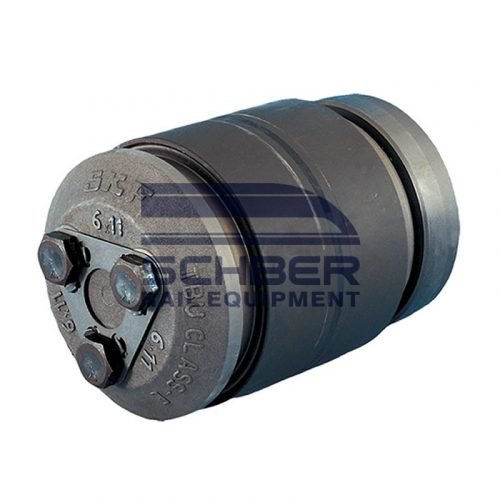
SKF 1637549AA railway bearings
NTN 2TS2-NU326EHSGRBXCS168MP6S20 bearings