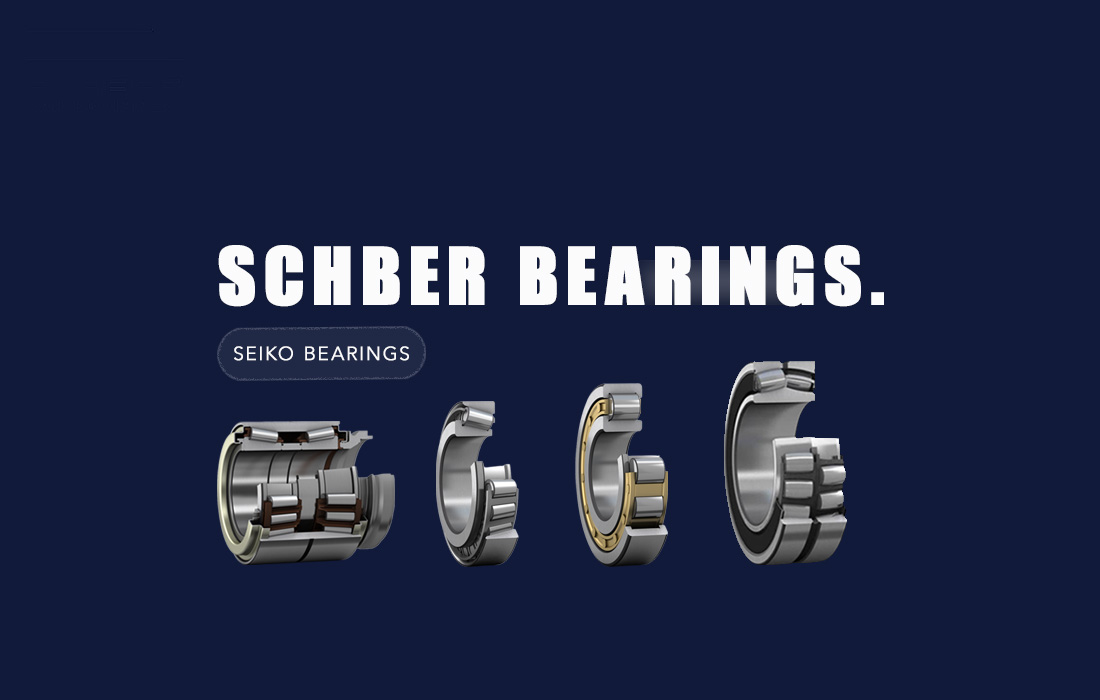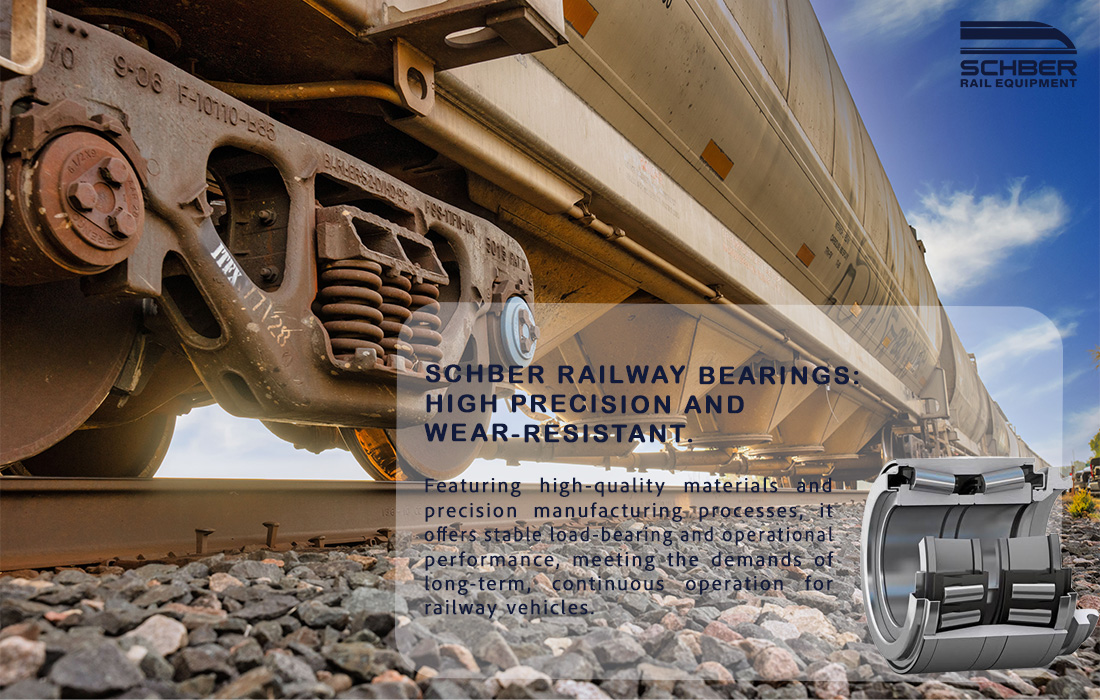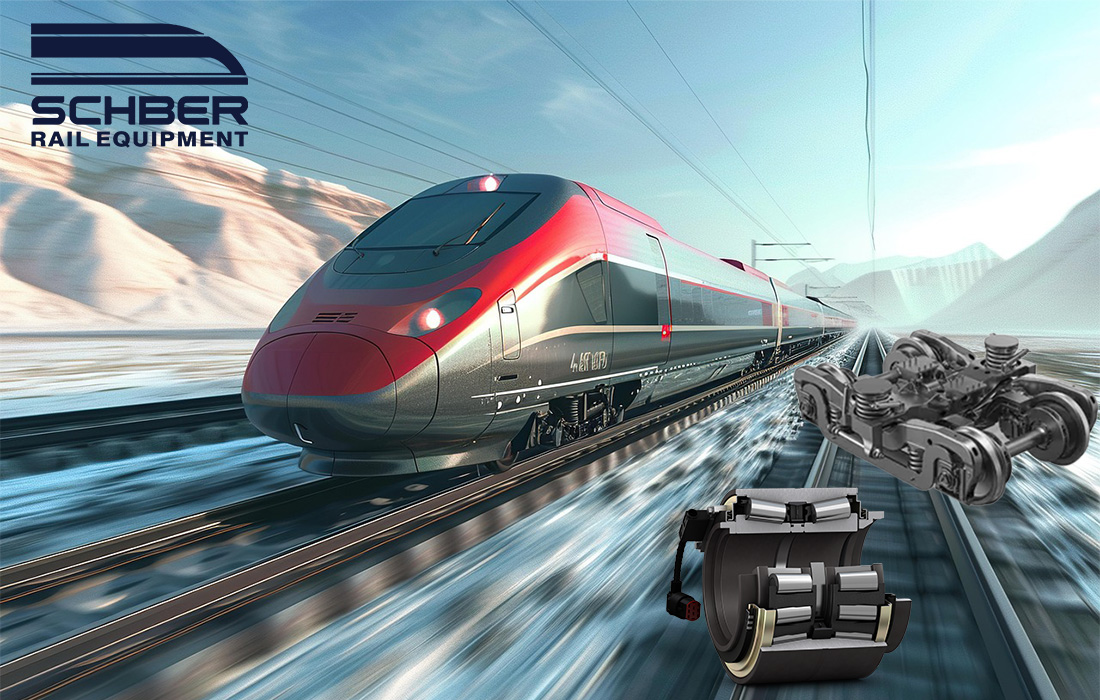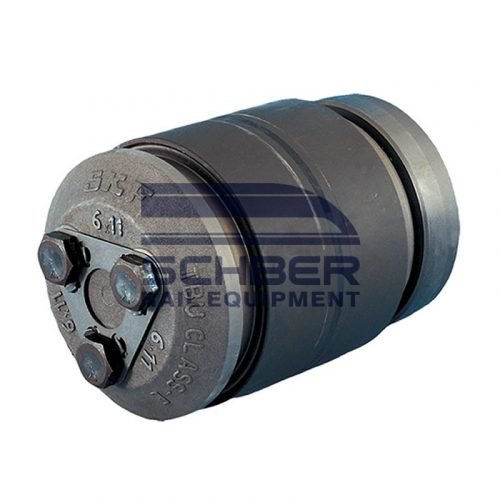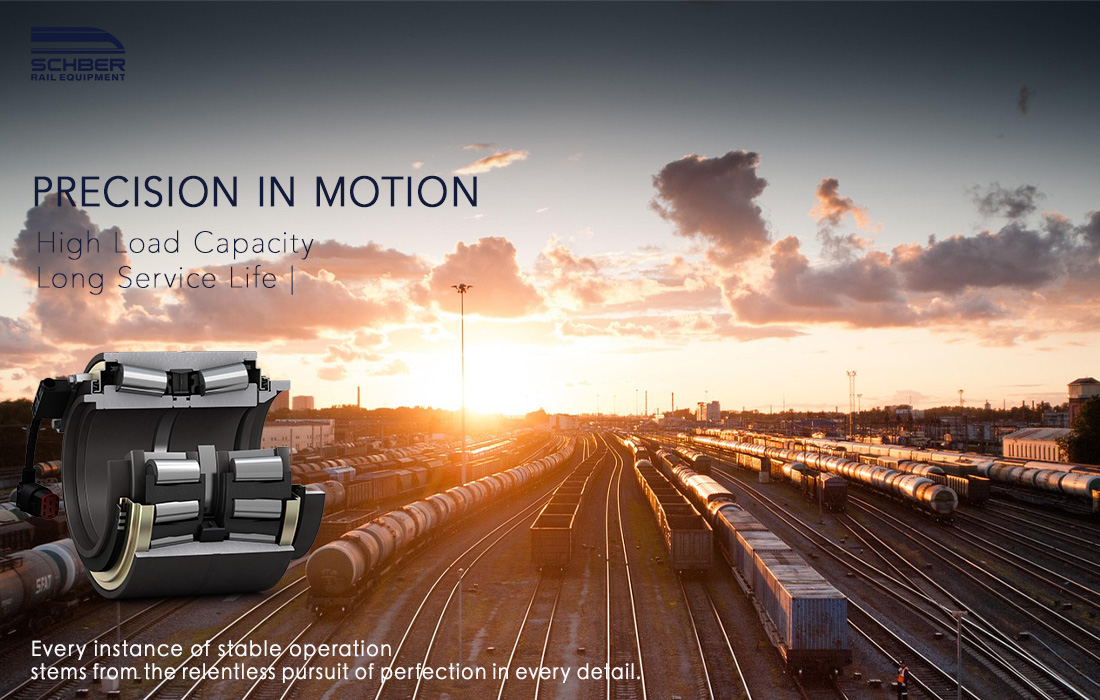
Railway wheelset bearing units are critical components of railway vehicle running gear. They are primarily installed between the wheelset and the axle box, supporting the stable rotation of the axle while withstanding the radial and axial loads generated during vehicle operation.
Railway vehicles are subject to vibration and shock during operation, and high-speed trains involve high rotational speeds. Consequently, wheelset bearing units must maintain stable rotational performance. Optimized structural design minimizes friction and vibration, while effective lubrication helps control operating temperatures.
These units typically comprise rolling bearings, sealing structures, and lubrication systems, often integrating with axle box assemblies. Specific bearing unit specifications are selected to match the requirements of different types of railway vehicles.
Applications of Railway Wheelset Bearing Units
Railway wheelset bearing units are widely used in locomotives, passenger coaches, and freight wagons. They are also essential for high-speed electric multiple units (EMUs) and urban rail vehicles.
Within the wheelset system, the bearing unit plays a vital supporting role, connecting the axle, wheels, and axle box assembly. Stable rotation ensures the vehicle maintains optimal operating conditions.
Freight wagons typically carry heavy loads, requiring bearings with high load-carrying capacity. Passenger coaches prioritize smooth operation and passenger comfort, whereas high-speed trains require a focus on rotational speed, temperature rise, and vibration control.
Characteristics of Railway Wheelset Bearing Units
Railway wheelset bearing units must possess high load-carrying capacity and the ability to withstand long-term operational environments. A stable internal structure minimizes friction and abnormal wear.
Sealing structures are equally critical; effective seals prevent the ingress of dust, moisture, and other contaminants into the bearing, while also helping to maintain the performance of the lubricant.
The lubrication system directly influences bearing performance. Proper lubrication reduces friction and heat accumulation, thereby extending the bearing’s service life.
Selection of Railway Wheelset Bearing Units
Selecting the appropriate railway wheelset bearing unit begins with identifying the vehicle type, followed by confirming parameters such as axle diameter, load, rotational speed, and mounting dimensions.
Operating conditions are also a key consideration. Environments characterized by high or low temperatures, humidity, or dust can affect bearing performance; therefore, sealing and lubrication solutions must be matched to the specific operating conditions. For high-speed railway vehicles, the high-speed operational capability of bearings is a critical factor. Temperature rise and vibration must also be controlled. Proper bearing selection enhances the operational stability of the wheelset.
The right railway wheelset bearing unit reduces maintenance requirements, ensures stable vehicle operation, and lowers long-term operating costs.