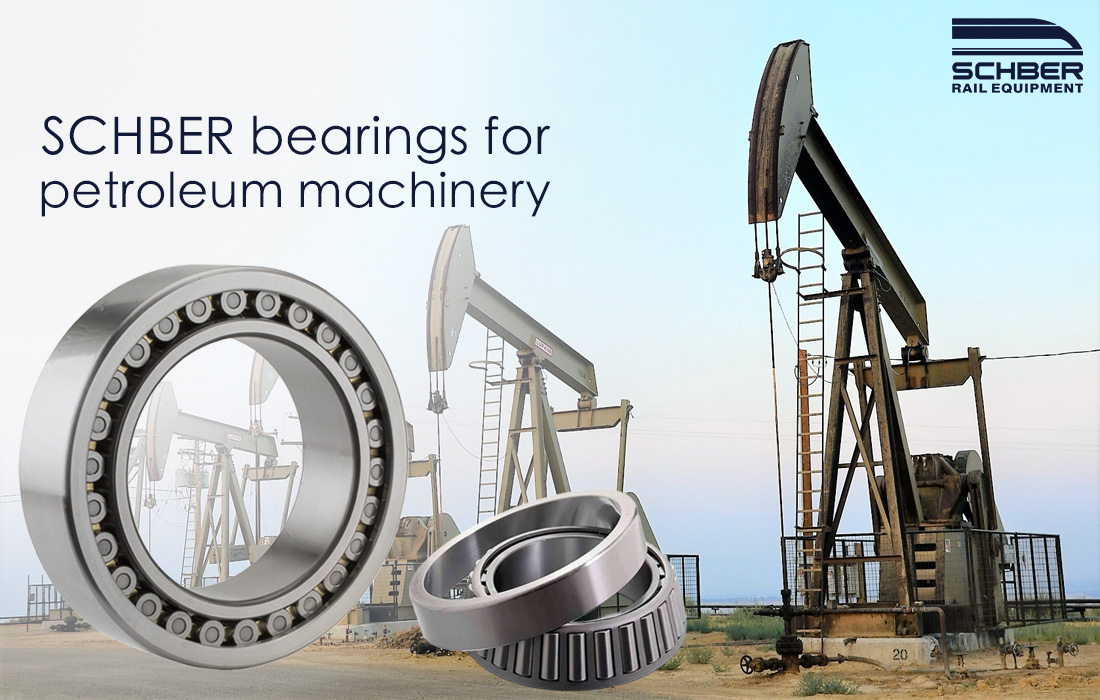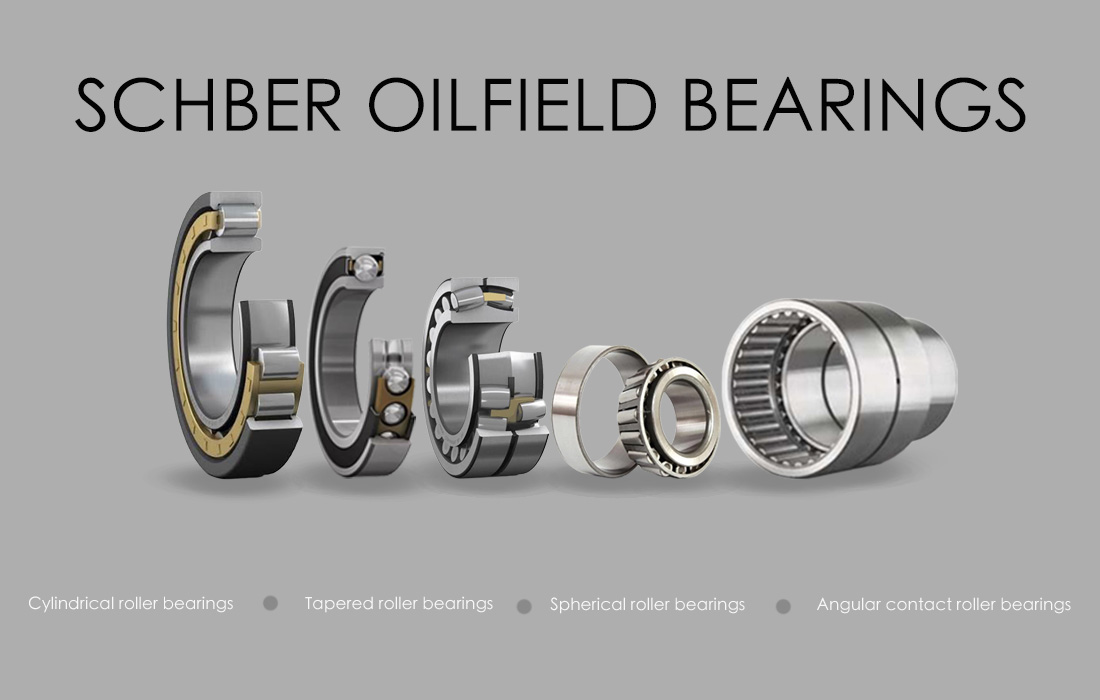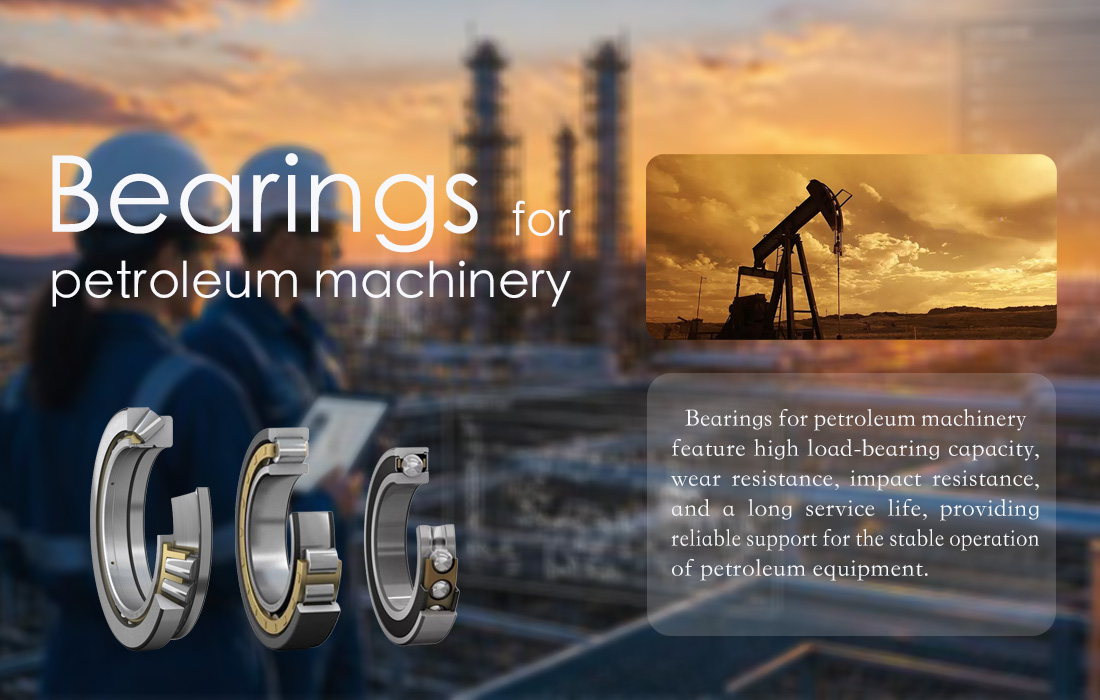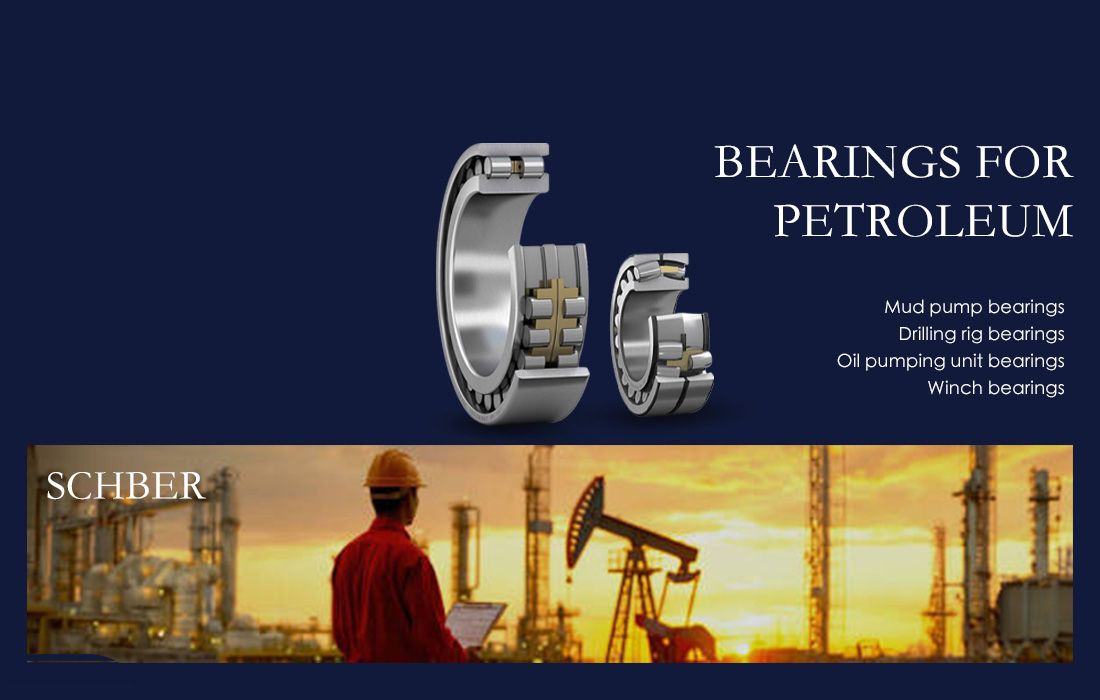
Bearings in petroleum equipment are critical transmission components in machinery such as drilling rigs, mud pumps, pumping units, winches, and gear reducers. During prolonged operation, the emergence of abnormal noise often indicates operational issues with the bearing or related transmission components. Promptly identifying the cause of the noise and taking appropriate inspection and maintenance measures can prevent minor faults from escalating, thereby reducing equipment downtime and maintenance costs.
Common types of bearing noise in petroleum machinery
Under normal operating conditions, bearings typically produce a steady, uniform running sound. If distinct abnormal noises occur, the characteristics of the sound should be analyzed to determine the cause.A continuous humming sound may indicate insufficient lubrication, installation inaccuracies, or abnormal loading. Periodic clicking or creaking sounds may point to localized damage on the raceways or rolling elements. Distinct metallic grinding sounds suggest severe lubrication failure, bearing wear, or contact between internal components.
Additionally, if the noise intensifies significantly as the equipment’s rotational speed increases, the internal condition of the bearing and the balance of the transmission system should be closely inspected.
Common causes of abnormal bearing noise
1. Insufficient lubrication or lubricant issues
Lubrication is a crucial factor affecting bearing performance. Insufficient grease or oil increases friction between the rolling elements and raceways, resulting in noise and temperature rise.Contamination, deterioration, or the use of an incorrect lubricant type can also impair normal bearing operation.Inspection method: Check the quantity, color, and condition of the lubricant to identify any lack of oil, contamination, or deterioration, and replenish or replace it promptly according to equipment specifications.
2. Internal bearing wear or damage
Petroleum machinery often operates under high loads for extended periods. After prolonged use, bearings may suffer from raceway wear, damage to rolling elements, or cage defects.Significant internal bearing damage is usually accompanied by abnormal noise, vibration, or elevated temperatures. Inspection Method:Dismantle the bearing after shutting down the machine for inspection. Focus on checking the raceways, rolling elements, and cages for scratches, spalling, cracks, or abnormal wear.
3. Improper Installation
Bearing installation precision significantly affects operational stability. Improper seating, the use of incorrect installation tools, or excessive impact during installation can damage internal components.An improper fit between the bearing and the shaft or housing can also lead to vibration and abnormal noise during operation.Therefore, during the maintenance of petroleum equipment, installation must be performed in accordance with the technical specifications provided by the equipment and bearing manufacturers; direct striking of the rolling elements or cages must be avoided.
4. Excessive Bearing Loads
Petroleum equipment—such as drilling rigs, mud pumps, and pumping units—may be subjected to significant radial, axial, and impact loads during operation. If the actual load exceeds the bearing’s design limits, abnormal operation may occur.
Prolonged overloading can not only cause abnormal noise but also accelerate bearing fatigue and wear.Therefore, the actual operating load of the equipment should be checked, and it must be verified that the bearings used are suitable for the equipment’s operating conditions.
5. Seal Failure Leading to Contaminant Ingress
Petroleum equipment often operates in complex environments exposed to contaminants such as dust, moisture, and mud. If bearing seals fail, contaminants entering the bearing can compromise lubrication and accelerate wear on the raceways and rolling elements.For equipment such as drilling rigs and mud pumps, special attention should be paid to the condition of bearing seals and protective measures.
How to Determine if a Bearing Is Damaged?
Abnormal noise does not necessarily mean the bearing is completely ruined; however, a detailed inspection is required if any of the following conditions occur:
The abnormal noise persists and gradually worsens;
Bearing temperature rises significantly;
Abnormal equipment vibration occurs;
Visible metal particles appear in the grease;
Spalling, pitting, or cracks appear on the raceways or rolling elements;
Bearing operation is not smooth or shows signs of binding or sticking.
If disassembly and inspection reveal significant damage to the rolling elements, raceways, or cages, bearing replacement should generally be considered rather than continuing forced operation. Inspection Methods for Abnormal Bearing Noise in Petroleum Equipment.Upon detecting abnormal bearing noise, the first step is to pinpoint the source of the sound to avoid misidentifying noise from other components—such as gears, couplings, or motors—as a bearing fault.
Inspections can be conducted in the following order:
Step 1: Check operating conditions.Observe whether the equipment’s rotational speed, load, temperature, and vibration levels are within normal ranges.
Step 2: Check lubrication. Verify that the lubricant supply is adequate and check for contamination or deterioration.
Step 3: Check seals.Inspect seals for damage and look for signs of moisture, dust, or mud ingress.
Step 4: Check installation and fit. Verify that there are no installation misalignments or fit irregularities involving the bearing, shaft, and housing.
Step 5: Disassemble for inspection if necessary. Examine the condition of the internal rolling elements, raceways, and cage.
For petroleum equipment in continuous operation, long-term monitoring of bearing status can also be achieved through temperature and vibration tracking.
What should be considered when replacing bearings in petroleum machinery?
When replacing a bearing, first verify the original bearing’s model, dimensions, structure, and technical specifications. For critical components—such as bearings in drilling rigs, mud pumps, or pumping units—it is not advisable to select replacements based solely on appearance or dimensions.
Before installation, clean the shaft, housing, and related parts to prevent dust and impurities from entering the bearing. Use appropriate tools during installation to avoid subjecting the bearing to impact.After installation, check the bearing’s rotation, lubrication status, and related drive components; ensure there are no irregularities before putting the equipment back into operation.
Conclusion
Abnormal noise from petroleum machinery bearings is often a key indicator of changes in the equipment’s operating condition. Causes can include insufficient lubrication, bearing wear, improper installation, excessive load, seal failure, and the ingress of contaminants.
When faced with abnormal bearing noise, conduct a timely inspection and assessment rather than attempting a quick fix by simply adding more lubricant. Bearings showing significant wear or damage should be replaced promptly, and the root cause should be investigated—considering factors such as bearing selection, installation, lubrication, and sealing. Standardized maintenance of petroleum equipment and scientific bearing upkeep can effectively reduce the risk of bearing failure, extend the service life of petroleum machinery components, and provide a reliable guarantee for the stable operation of drilling, oil extraction, and other petroleum equipment.