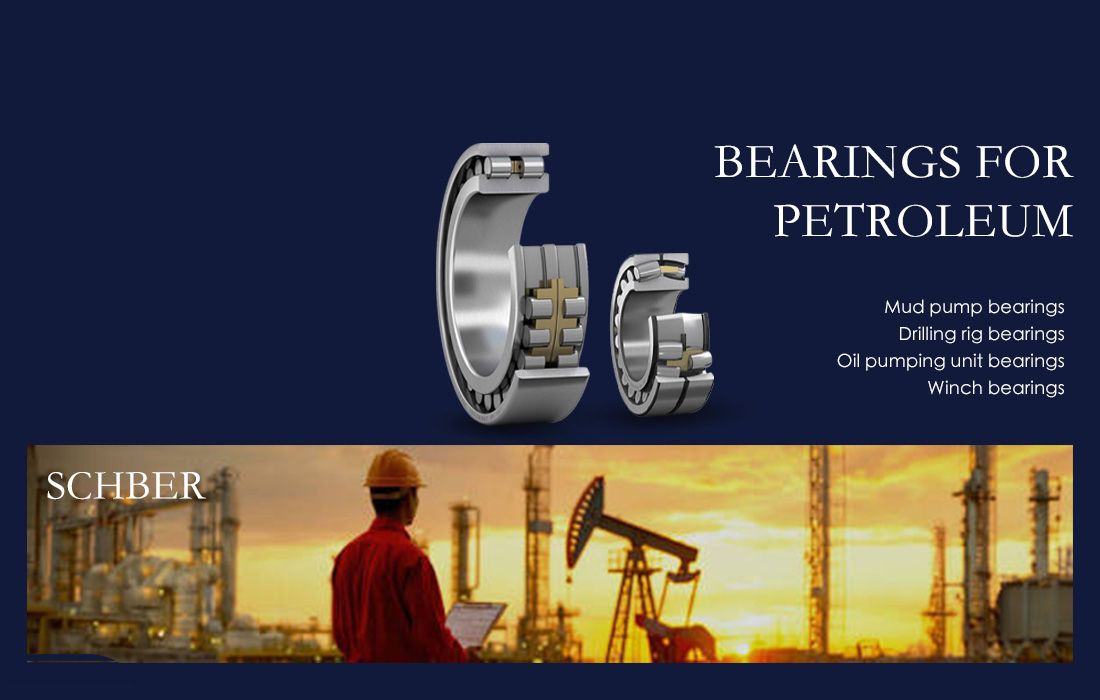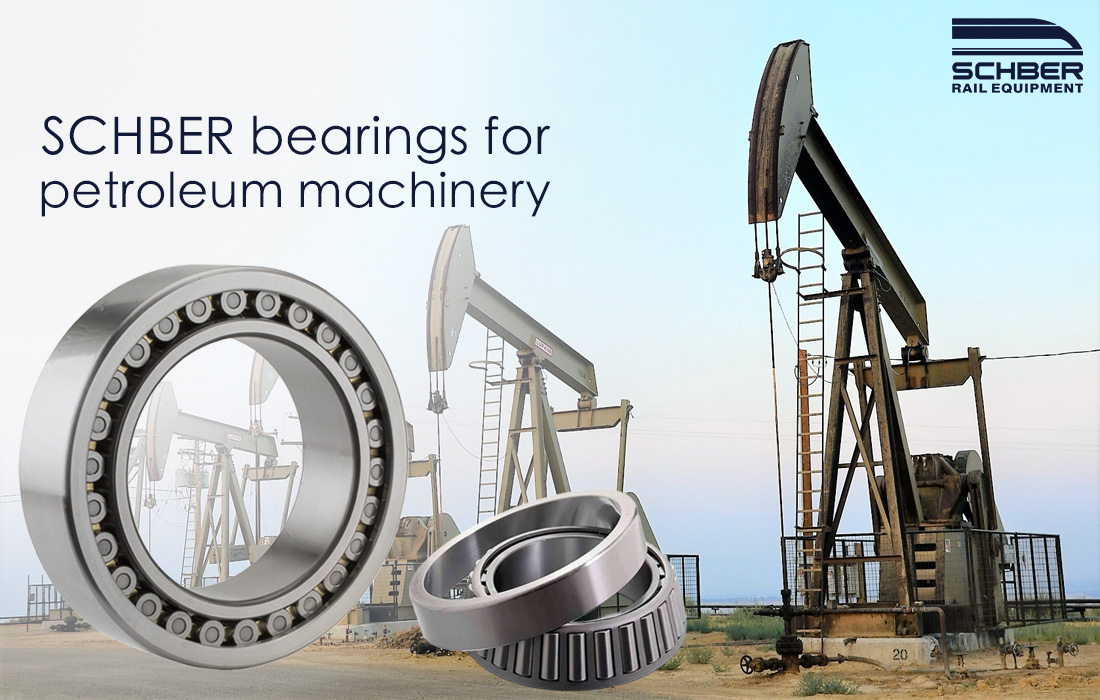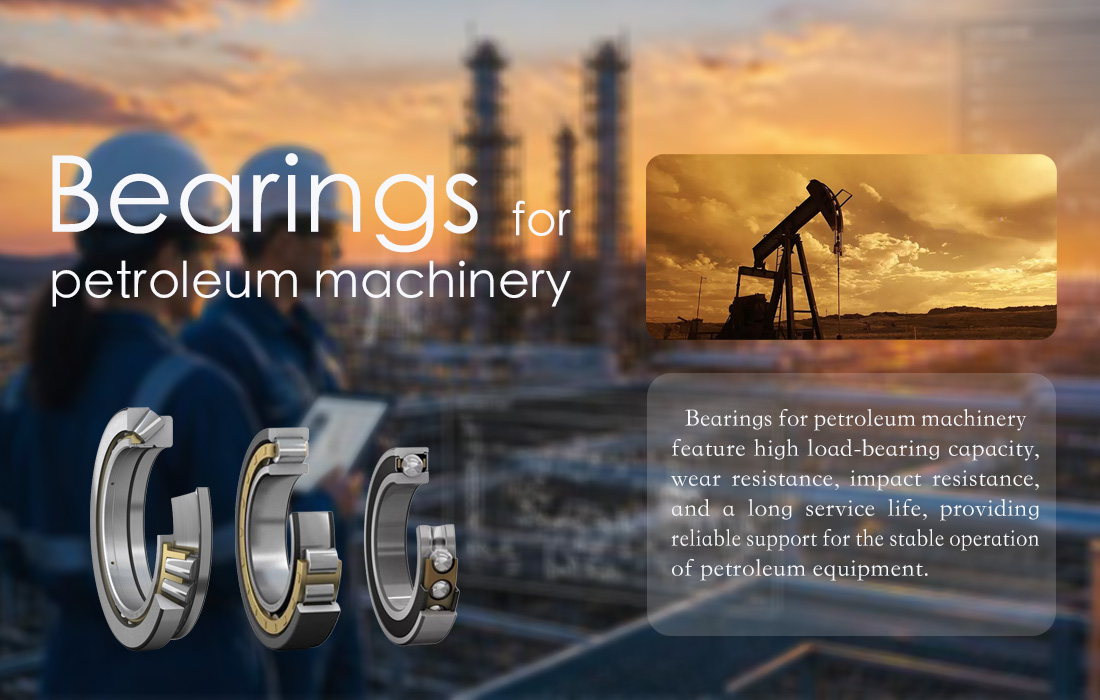
Oil pumps are essential equipment in oil extraction, transportation, and related oil and gas processing. Their continuous operation relies on a stable drive system to ensure proper pump function. As critical oil machinery components, bearings serve to support the rotating shaft, transfer loads, and minimize friction. Because operating environments vary significantly among different oil pumps, there is no “one-size-fits-all” standard for bearing selection; instead, choices must be made based on a comprehensive assessment of actual operating conditions, including load, rotational speed, temperature, environmental factors, and vibration.
What Factors Should Be Considered When Selecting Oil Pump Bearings?
When selecting bearings for oil pumps, one must first understand the equipment’s specific parameters. These include the radial and axial loads the bearing will endure, operating speed, working temperature, lubrication method, mounting dimensions, and the operating environment. Only by clearly defining these actual conditions can one select a bearing structure and specification that matches the equipment.
Performance requirements for bearings vary depending on the operating conditions. Below are common operating scenarios for oil pumps and the key factors to consider during selection.
1. High-Load Conditions: Prioritizing Load-Carrying Capacity
Some oil pumps operate continuously under high pressure and heavy loads, subjecting bearings to significant radial or axial forces. If a bearing lacks sufficient load-carrying capacity, prolonged operation can lead to issues such as abnormal wear, fatigue spalling, or excessive temperature rise.
For high-load applications, priority should be given to bearings with high load ratings, with the specific size and structure determined by the actual load. Cylindrical roller bearings and tapered roller bearings, for instance, typically offer superior load-carrying capacity, though the final choice depends on the specific structure of the oil pump.
2. High-Speed Conditions: Focusing on Friction and Heat Generation
In high-speed oil pumps, the rolling elements within the bearing move at high velocities, leading to increased heat generation from friction. Improper selection of bearing type or lubrication method can cause operating temperatures to rise, thereby shortening the bearing’s service life.
For high-speed applications, key considerations include the bearing’s limiting speed, internal structure, cage design, and lubrication method. At the same time, installation precision must be ensured to avoid additional friction and vibration caused by shaft misalignment.
3. High-Temperature Conditions: Focus on Materials and Lubrication
Some petroleum pumps operate with high-temperature media or in high-temperature environments, requiring bearings to maintain stable operation under such conditions. High temperatures can affect bearing material properties and alter the performance characteristics of greases or lubricating oils.
For high-temperature applications, appropriate bearing materials and heat treatment processes should be selected based on actual operating temperatures, and lubricants suitable for that temperature range must be used. Additionally, bearing clearance should be properly controlled to accommodate thermal expansion caused by temperature fluctuations.
4. Humid Environments: Focus on Rust Prevention and Sealing
Certain petroleum pump applications involve exposure to water, moisture, or liquid splashes. Prolonged exposure to humid environments allows moisture to penetrate the bearing, potentially degrading lubrication performance and increasing the risk of corrosion.
Therefore, when selecting bearings for humid conditions, priority should be given to sealing structures, rust resistance, and surface protection. Effective seal designs minimize moisture ingress, helping to maintain lubrication integrity and extend service life.
5. Environments with Dust and Impurities: Prioritize Sealing Performance
Oilfield sites and certain petroleum equipment operating environments may contain dust, particulates, or other contaminants. If these impurities enter the bearing, they can cause wear on rolling elements and raceways, as well as impair lubrication effectiveness.
In environments with high levels of dust and impurities, bearings with superior protection and sealing capabilities should be selected, with the seal type chosen to match the equipment structure. Furthermore, seals should be inspected regularly and replaced promptly if signs of aging or damage appear.
6. High-Vibration Conditions: Focus on Impact Resistance
Petroleum pumps may generate vibration during startup, shutdown, and load fluctuations, while some heavy-duty equipment is subject to significant impact loads. Prolonged exposure to intense vibration can impose additional loads on bearing cages, rolling elements, and raceways.
For high-vibration applications, bearings with high load-carrying capacity and impact resistance should be selected, and bearing clearance and installation precision must be carefully controlled. When necessary, it is also essential to examine the entire drive system, checking the operating condition of components such as shafts, bearing housings, and couplings.
What types of bearings are commonly used in oil pumps?
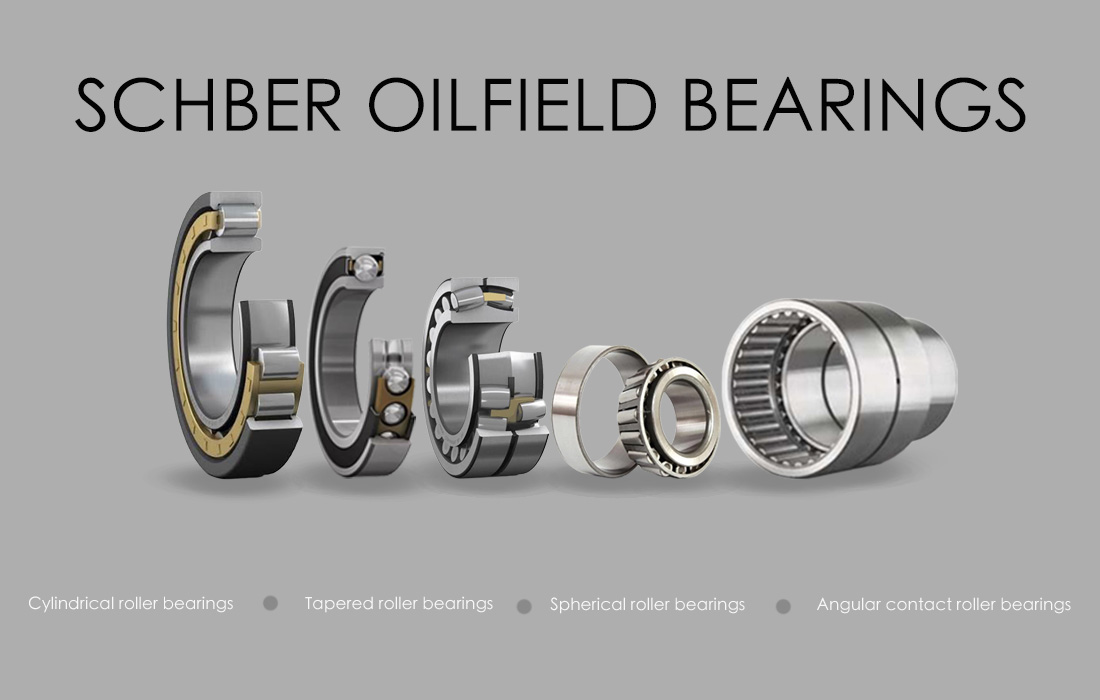
The specific type of bearing for an oil pump is determined by the equipment’s structure and operating conditions. Common types include deep-groove ball bearings, cylindrical roller bearings, tapered roller bearings, and spherical roller bearings.
Deep-groove ball bearings are suitable for applications involving high speeds and moderate loads; cylindrical roller bearings offer high radial load capacity and are ideal for heavy-load drive components; tapered roller bearings can handle both radial and axial loads simultaneously, making them suitable for equipment subject to combined loads; spherical roller bearings possess self-aligning capabilities, making them suitable for operating conditions involving vibration or shaft misalignment.
It is important to note that bearings should not be selected based solely on the equipment name. Even for the same type of oil pump, the specific bearing model may vary depending on the pump model and the installation location.
How can the service life of oil pump bearings be extended?
In addition to proper selection, correct installation and maintenance are equally important. Before installation, verify the dimensions and fit requirements for the bearing, shaft, and housing to prevent additional loads caused by installation errors.
During operation, monitor the bearing’s temperature, noise, vibration, and lubrication status in accordance with the equipment maintenance schedule. If abnormal heat, noise, or vibration is detected, shut down the equipment immediately for inspection to prevent minor issues from escalating into serious failures.
Furthermore, select an appropriate lubrication method based on the bearing’s operating conditions and carefully control the lubricant quantity. Insufficient lubrication can lead to inadequate protection, while excessive lubrication may cause temperature rises.
Conclusion
Oil pumps operate in complex environments; conditions such as heavy loads, high speeds, high temperatures, humidity, dust, and intense vibration impose varying demands on the bearings. Therefore, when selecting bearings for oil pumps, a comprehensive assessment should be made regarding load capacity, rotational speed, materials, lubrication, sealing, impact resistance, and service life. When procuring spare parts for petroleum machinery, it is recommended to provide parameters such as the petroleum pump model, shaft diameter, rotational speed, load, temperature, and operating environment before finalizing the bearing model, so that professionals can make a selection based on actual operating conditions. The use of suitable bearings, combined with proper maintenance, ensures reliable support for the long-term, stable operation of petroleum pumps and effectively reduces equipment maintenance and downtime costs.