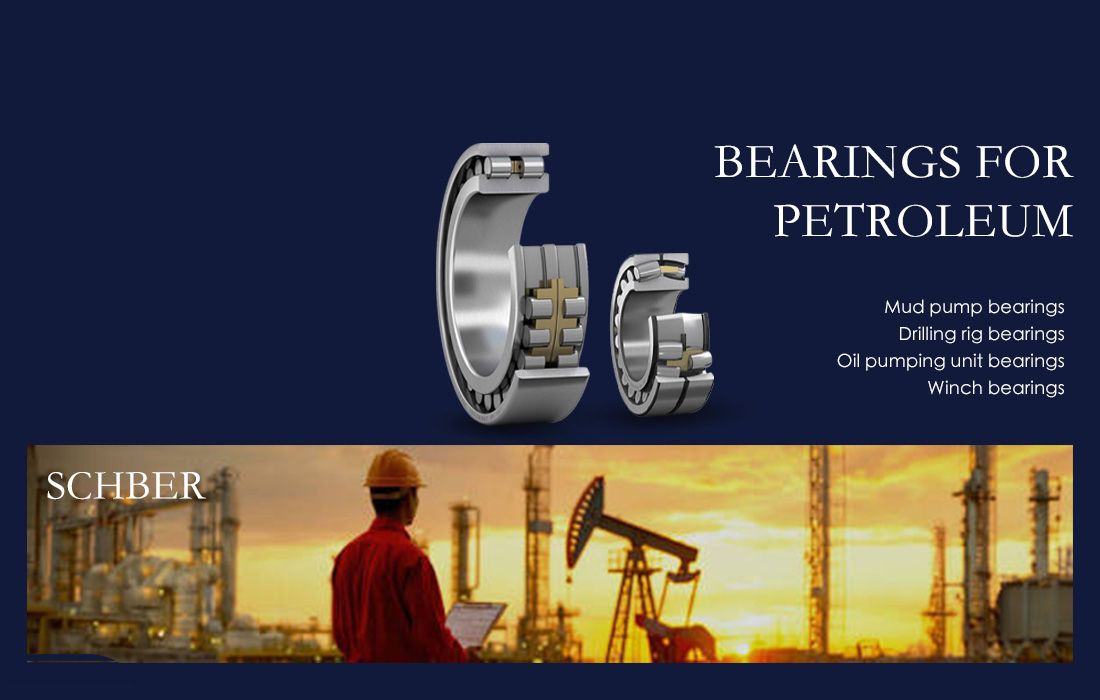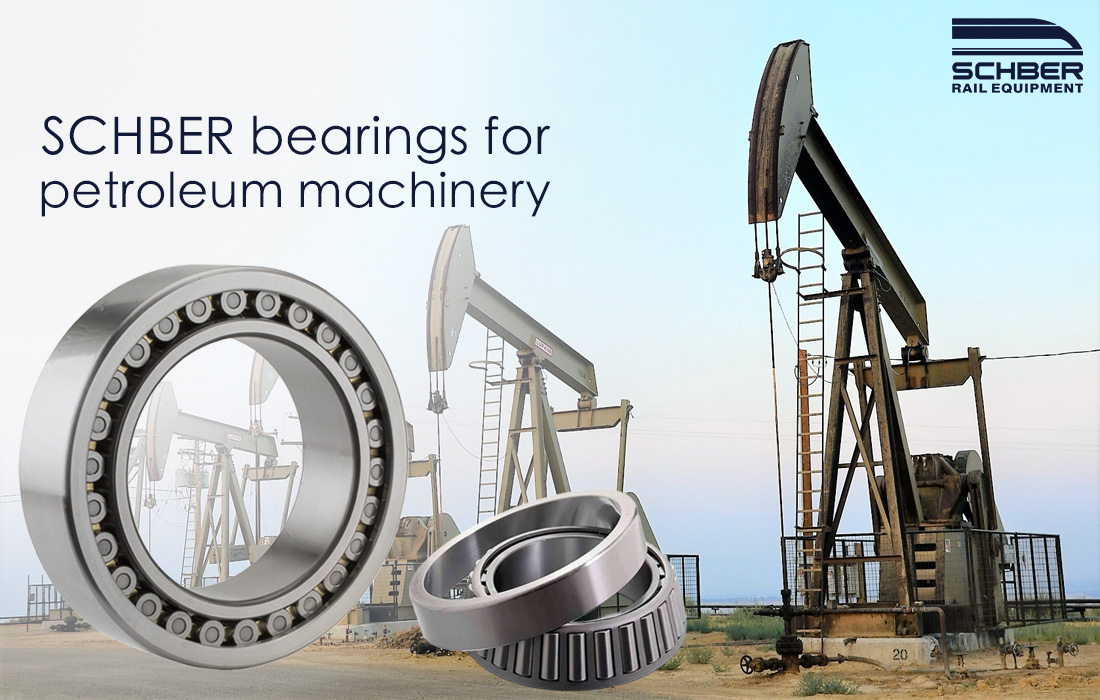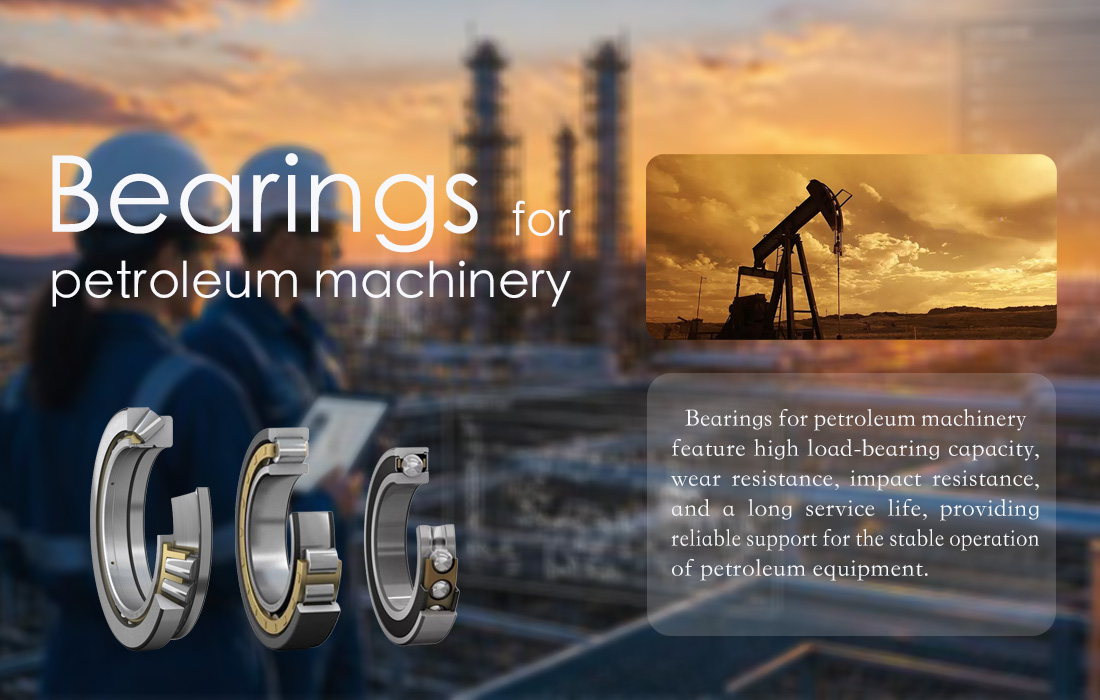
Mud pumps are a vital component of oil drilling equipment, primarily used to circulate drilling fluid and provide stable pressure and flow for drilling operations. Because mud pumps operate under conditions involving high loads, intense vibration, shock loads, and prolonged continuous running, their internal bearings face demanding service environments. As critical bearings in oilfield equipment, their load-carrying capacity, wear resistance, sealing performance, and service life directly impact the overall operational stability of the equipment.
Operational Characteristics of Mud Pump Bearings
Compared to standard industrial equipment, oil drilling mud pumps typically handle heavier workloads and are subject to significant cyclic loading and shock vibrations. Power within the pump is transmitted via mechanisms such as crankshafts and connecting rods; throughout this process, bearings must continuously withstand radial loads, while certain configurations also require the ability to handle axial loads.
Furthermore, mud pumps often require long periods of continuous operation. Should a bearing suffer abnormal wear or failure, the resulting need for replacement—and potential pump downtime—can disrupt the entire drilling operation. Consequently, bearings for drilling mud pumps must offer high reliability and a long service life.
Bearing Requirements Driven by High Loads
High loading is a defining characteristic of the operating conditions for mud pump bearings. When bearings are subjected to substantial radial loads over extended periods, high contact stresses develop between the rolling elements and the raceways. Insufficient load-carrying capacity can lead to issues such as temperature rise, wear, and even fatigue spalling.
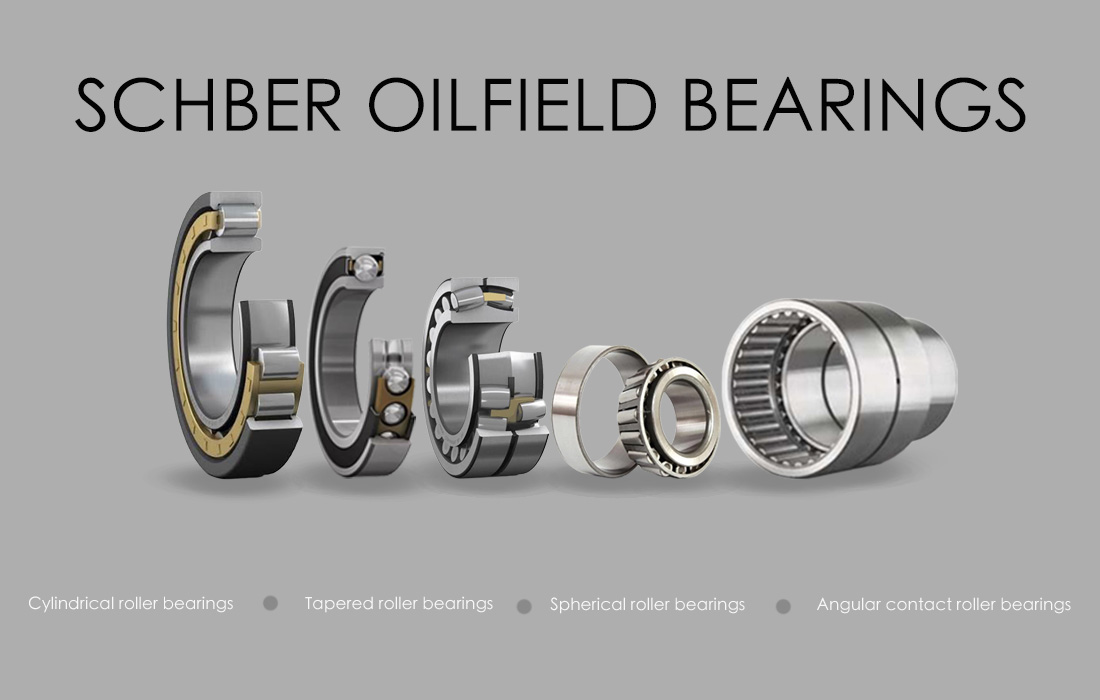
Therefore, when selecting mud pump bearings, it is essential to choose products with adequate dynamic and static load ratings based on the equipment’s actual load requirements. For heavy-duty applications, roller bearings—such as cylindrical or tapered roller bearings—generally offer superior load-carrying capabilities, though the specific type must be determined based on the pump’s structural design and the bearing’s installation position.
Impact of Shock and Vibration on Bearings
Mud pumps generate cyclic motion and mechanical vibration during operation; additionally, significant shock loads can occur during startup, shutdown, and fluctuations in load. Prolonged exposure to shock and vibration increases the stress on the rolling elements, raceways, and cages of the bearings.
Therefore, mud pump bearings must not only meet static and dynamic load requirements but also offer robust impact resistance and overall structural stability. For equipment subject to significant vibration, a comprehensive design approach—considering bearing clearance, installation precision, and shaft system structure—is essential to prevent improper installation from further amplifying vibration.
What is the impact of prolonged operation on bearings?
Oil drilling equipment typically requires continuous operation, and mud pumps must maintain stable, cyclical circulation. Bearings are subjected to constant friction and cyclic loads during extended operation; consequently, material quality, manufacturing precision, and lubrication conditions directly influence their actual service life.
High-quality bearings generally require excellent fatigue resistance and dimensional stability, paired with an effective lubrication strategy to minimize friction and temperature rise during operation. For continuously operating mud pumps, a regular inspection regimen should be established to promptly detect temperature anomalies, noise, and changes in vibration patterns.
How should mud pump bearing materials be selected?
Bearing materials directly affect load-bearing capacity, wear resistance, and fatigue life. Standard rolling bearings are typically manufactured from bearing steel and undergo appropriate heat treatment to enhance hardness, wear resistance, and fatigue strength.For oil drilling equipment, bearing materials must not only handle standard loads but also withstand long-term operation and impact loads. Material and heat treatment selection should be based on equipment loads, rotational speeds, operating temperatures, and the manufacturer’s design specifications.
Sealing performance is equally important.
Drilling sites present complex working environments where equipment may be exposed to mud, moisture, dust, and other contaminants. If contaminants penetrate the bearing, they can compromise lubrication and accelerate wear on the rolling elements and raceways.Therefore, when selecting bearings for oilfield equipment, sealing and protection requirements must be considered in light of the actual operating environment. Effective sealing minimizes the ingress of external contaminants and helps maintain the lubricant’s effectiveness.
Lubrication requirements for mud pump bearings
Lubrication is a critical factor influencing bearing service life. Proper lubrication reduces internal friction and wear while helping to regulate operating temperatures. Mud pump bearings can be lubricated with either grease or oil, depending on the equipment’s design and operating conditions. When selecting a lubrication strategy, factors such as bearing rotational speed, load, operating temperature, and maintenance intervals must be considered holistically. Insufficient lubrication can lead to increased friction and temperature rise, while excessive lubricant can have the same effect; therefore, precise control in accordance with equipment specifications is essential.
How to Select the Right Mud Pump Bearing?
When selecting a mud pump bearing, first identify the specific mud pump model and the bearing’s installation location, then evaluate the choice based on the following parameters:
Load Magnitude: Determine the radial and axial loads to select a bearing with adequate load-carrying capacity.
Rotational Speed:Select a suitable bearing design based on the equipment’s operating speed.
Shock and Vibration:Account for the cyclic loads and impacts generated during the drilling process.
Operating Temperature:Choose appropriate materials and lubrication methods based on actual operating temperatures.
Operating Environment:Consider the impact of contaminants—such as drilling mud, moisture, and dust—on the bearing.
Installation Dimensions:Verify the inner diameter, outer diameter, width, and fit requirements.
Service Life:Select the appropriate bearing quality and design based on equipment operating hours and maintenance schedules.
For specific mud pump bearing models, selection should not be based solely on appearance or a single dimension; instead, verify the choice by cross-referencing the original part number, equipment specifications, and actual operating conditions.
Conclusion
Mud pump bearings operate under high loads, shock, vibration, and continuous duty in complex environments; consequently, they demand high standards for load-carrying capacity, material properties, sealing, lubrication, and wear resistance. Selecting the right drilling mud pump bearing requires a comprehensive assessment of equipment design and operating conditions, combined with proper installation, appropriate lubrication, and regular maintenance.
For oil drilling equipment, a high-performance, reliable mud pump bearing not only provides stable support for the drive system but also helps minimize abnormal wear and unplanned downtime, ensuring the continuous and stable operation of drilling activities.