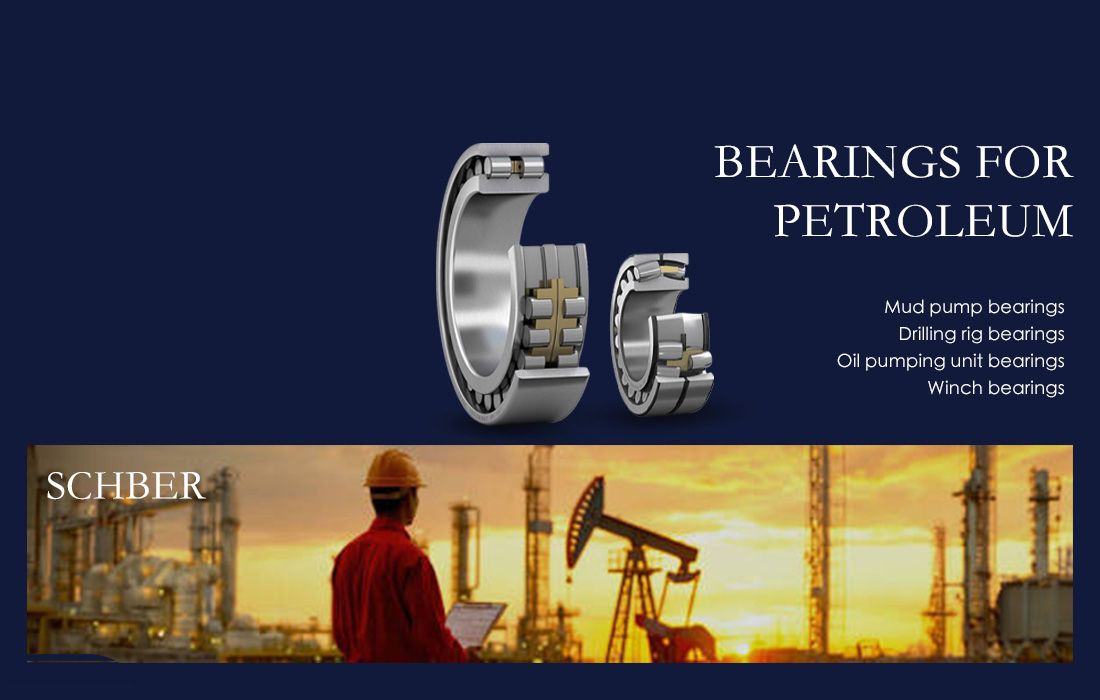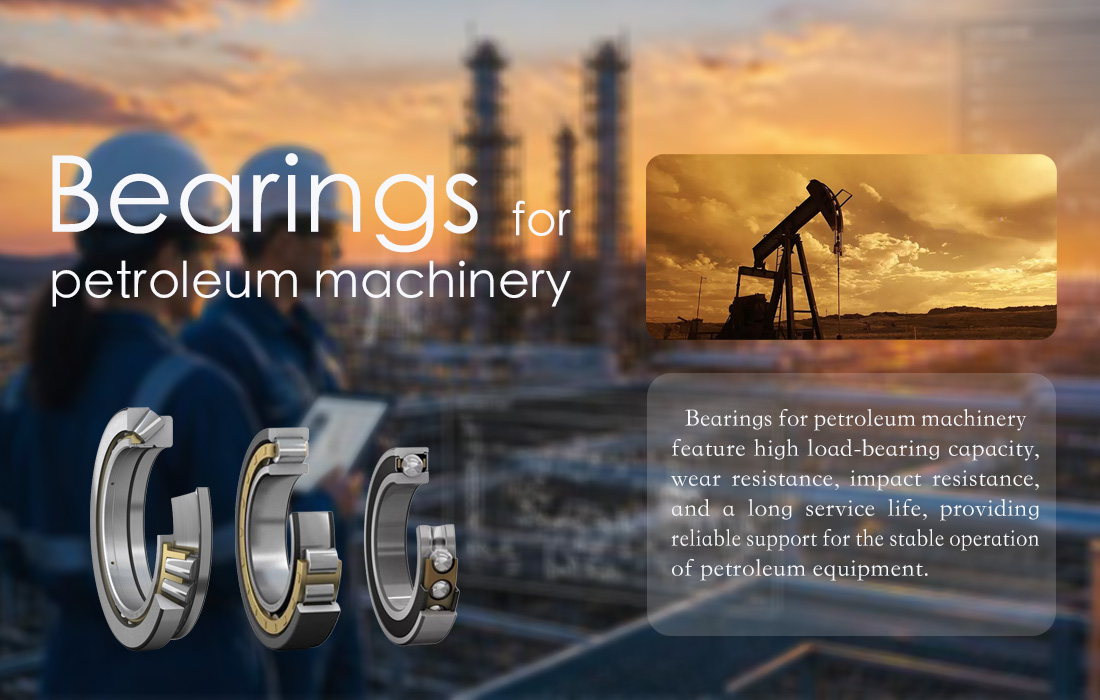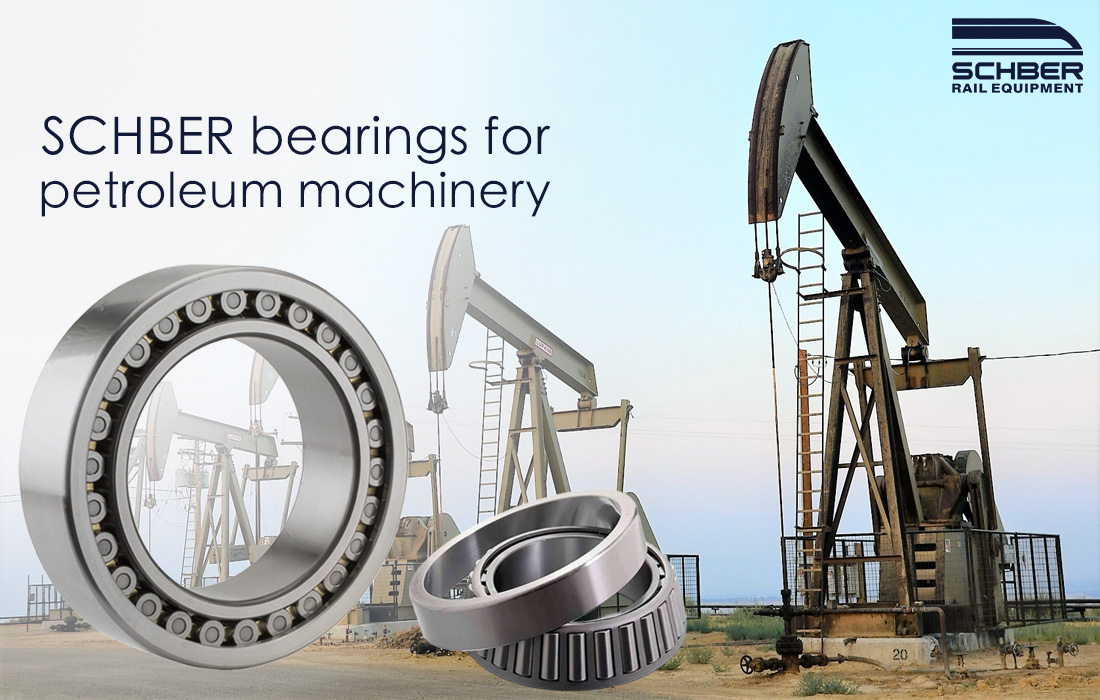
Bearings in petroleum machinery play a crucial role in support and power transmission for equipment such as drilling rigs, mud pumps, pumping units, winches, and gear reducers. Given that petroleum machinery typically operates under high loads and for extended periods—often involving vibration, shock, and complex working environments—bearings may experience temperature rises during use.
While a moderate temperature rise is normal, persistent high temperatures, sudden spikes, or accompanying abnormalities like noise and vibration require immediate inspection. Overheating in these bearings is usually linked to factors such as lubrication, installation, load, fit, sealing, and the quality of the bearing itself.
I. Overheating caused by improper lubrication
Lubrication is a key factor affecting the operating temperature of petroleum machinery bearings. During operation, bearings rely on lubricating oil or grease to minimize friction between rolling elements and raceways. Insufficient lubricant increases internal friction, leading to significant heat generation.Conversely, more grease is not necessarily better. Excessive grease creates high agitation resistance as rolling elements move, which can also cause temperatures to rise.
Solution:Select the appropriate lubricant based on bearing type, rotational speed, load, and operating temperature; replenish or replace the lubricant in the correct quantities according to equipment maintenance guidelines.
II. Overheating caused by improper installation
Installation precision directly impacts operating temperature. Heavy impacts during installation can damage bearing raceways, rolling elements, or cages.
Furthermore, incorrect positioning relative to the shaft or housing—or failure to seat the bearing fully—can increase operational resistance and cause uneven load distribution, resulting in abnormal overheating.
Solution:Use proper tools for installation and strictly control the installation force and positioning according to equipment specifications. For large bearings, pay special attention to checking the axial and radial alignment after installation.
III. Temperature rise caused by excessive load
Petroleum machinery often operates under heavy loads. For instance, mud pumps, winches, and drilling equipment may be subjected to significant radial, axial, and shock loads during operation. If the actual operating load exceeds the bearing’s design capacity, the contact stress between the rolling elements and the raceways increases, leading to a rise in friction and temperature. Prolonged overloading can also result in fatigue spalling and abnormal wear.
Solution:Select bearings suitable for the actual load of the petroleum equipment; do not base the choice solely on external dimensions or price. For heavy-load and shock-loading conditions, prioritize the bearing’s dynamic and static load ratings.
IV. Improper Bearing Fit
A proper fit must be maintained between the bearing and the shaft or housing. If the fit is too tight, the internal clearance may change, increasing the rolling resistance of the rolling elements and causing a temperature rise.
If the fit is too loose, relative rotation, vibration, or “creep” of the bearing rings may occur, likewise leading to abnormal wear and heat generation.
Solution:Select an appropriate fit based on the load, rotational speed, temperature, and installation position, and verify the dimensions and precision of the shaft and housing against relevant technical specifications.
V. Heat Generation Due to Poor Sealing
Petroleum machinery often operates in complex environments exposed to dust, moisture, drilling mud, and other contaminants. If the bearing’s sealing performance is inadequate, external contaminants can easily enter the bearing; mixing with the lubricant, they form abrasive particles that accelerate wear on the raceways and rolling elements.
Additionally, improper installation or excessive friction from the seals themselves can generate extra heat.
Solution: Select a sealing configuration suited to the operating environment and regularly inspect seals for aging, damage, or installation issues.
VI. Bearing Quality Issues
Beyond usage and installation factors, the inherent quality of the bearing can also affect operating temperature. Insufficient machining precision, inconsistent quality of internal components, or assembly inaccuracies can lead to noise, vibration, and abnormal heat generation, even under normal operating conditions.
For critical petroleum machinery components—such as bearings for drilling rigs, mud pumps, and pumping units—choose products with consistent quality and reliable manufacturing processes, and procure bearings that match the specific equipment model.
How to diagnose overheating in petroleum machinery bearings? When a rise in bearing temperature is detected, relying solely on touch to assess whether the situation is abnormal is not recommended. Instead, inspections should consider the equipment’s operating conditions and evaluate multiple factors, such as temperature, noise, and vibration.
If a bearing exhibits sustained high temperatures, abnormal noise, significant vibration, or lubricant discoloration or leakage, the equipment should be shut down promptly for inspection. Key areas to investigate include lubrication, installation, load conditions, and sealing.
For petroleum equipment that operates continuously over long periods, a system for the periodic monitoring of bearing temperature and vibration should be established to detect abnormal changes in a timely manner.
How can bearing overheating be minimized?
To reduce the risk of overheating in petroleum machinery bearings, attention should be focused on three areas: selection, installation, and maintenance.
First, select the appropriate bearing type and specifications based on the equipment’s actual operating conditions. Second, ensure installation follows standard procedures, maintaining proper fits between the bearing, the shaft, and the housing. Finally, ensure proper lubrication, sealing, and routine inspections.
For heavy-duty equipment such as mud pumps, drilling rigs, and pumping units, factors such as shock loads and continuous operating times must be fully considered. Bearings selected for these applications should offer high load-bearing capacity, wear resistance, and operational stability.
Conclusion
Overheating in petroleum machinery bearings does not necessarily mean the bearing is already damaged; however, a sustained, abnormal rise in temperature is often a critical indicator of operational issues. Causes of overheating can include improper lubrication, installation errors, excessive loads, improper fits, seal failure, or issues with the bearing’s inherent quality.
Therefore, during the operation of petroleum equipment, it is essential to ensure proper bearing selection, standardized installation, appropriate lubrication, and regular maintenance based on actual operating conditions. Promptly identifying and resolving bearing overheating issues helps minimize abnormal wear and the risk of equipment downtime, extends the service life of the bearings, and ensures the reliable, stable operation of the petroleum equipment.