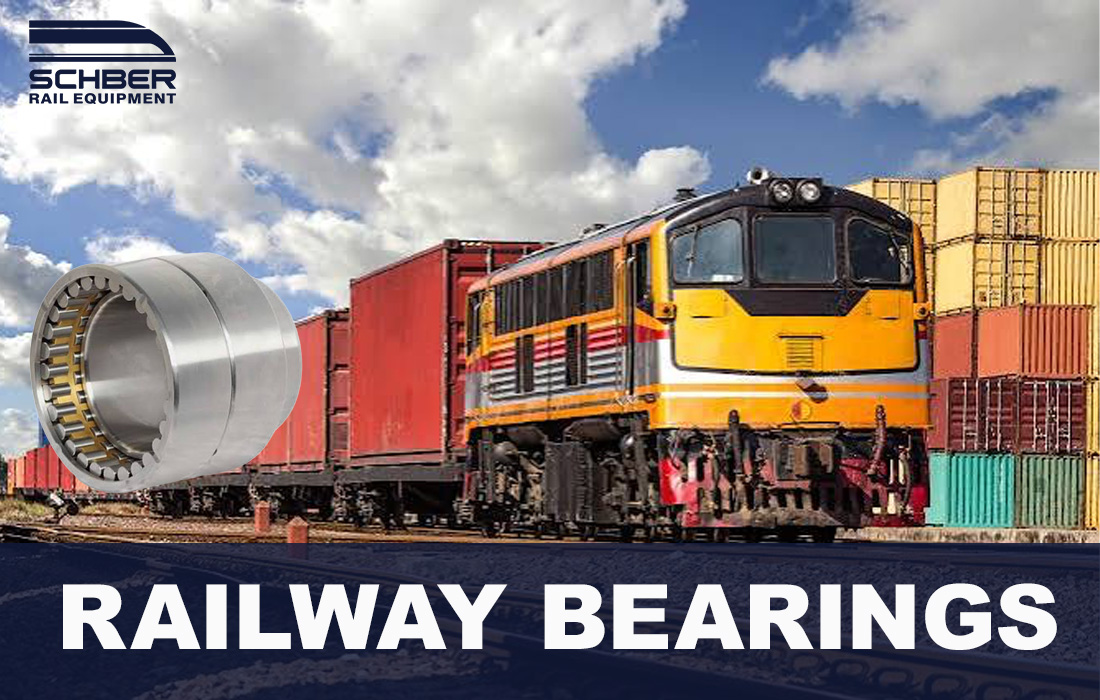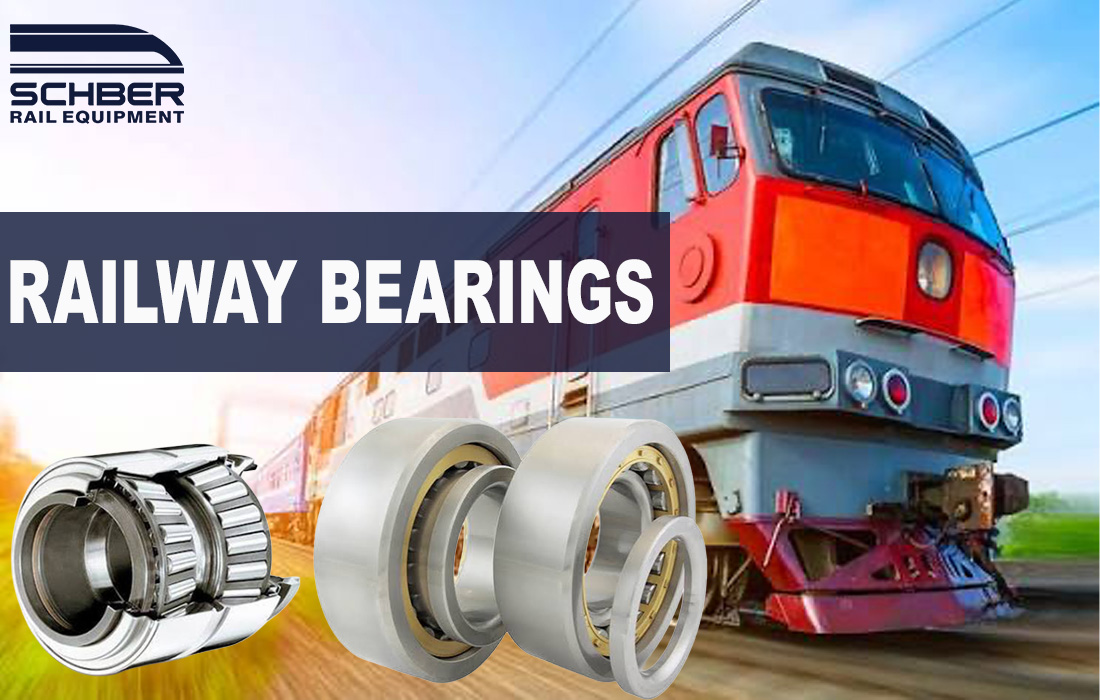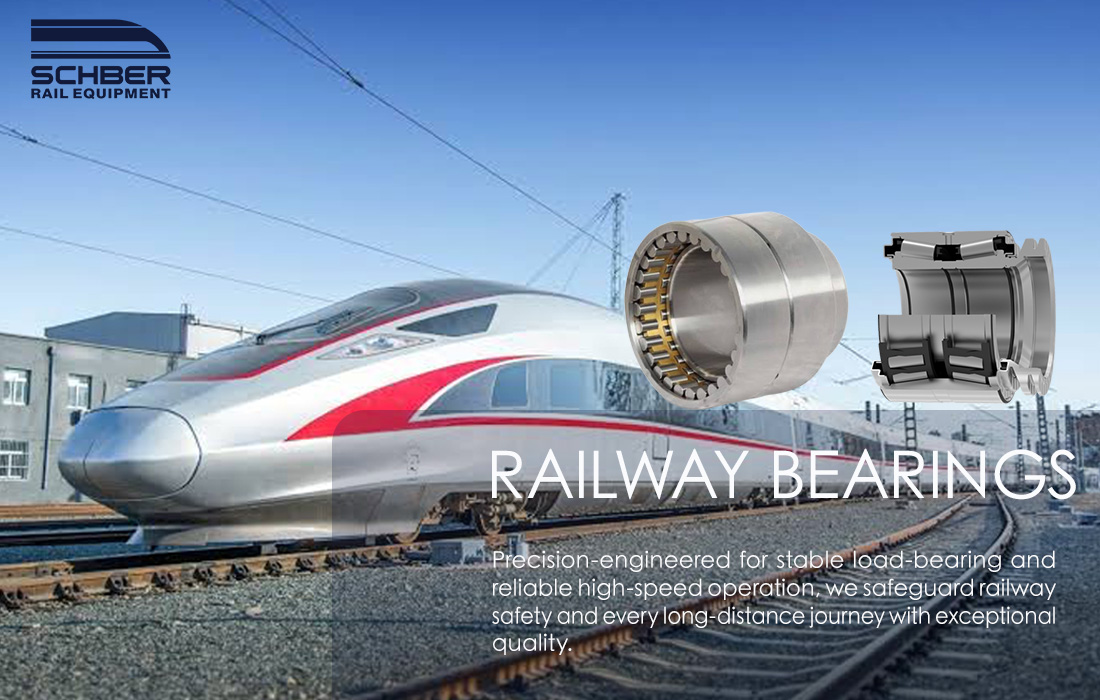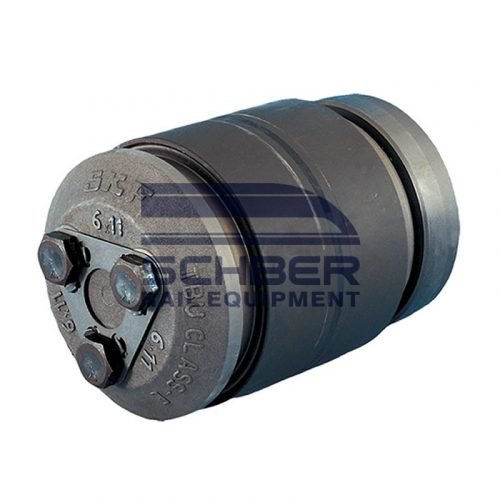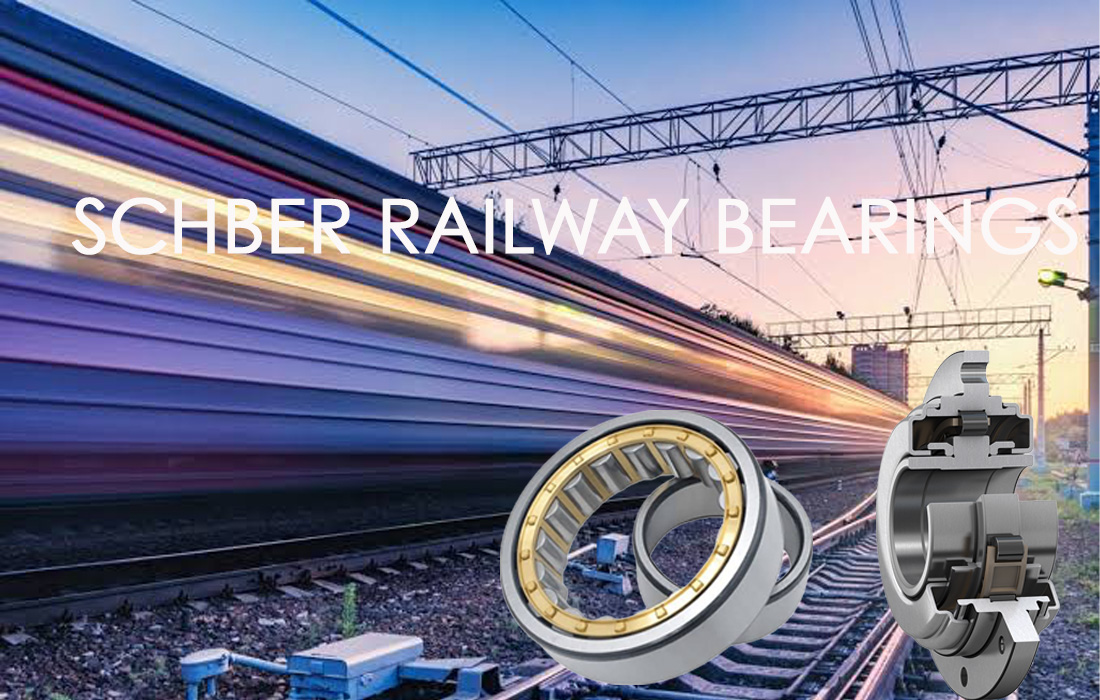
Railway bearings are critical components of railway vehicles, connecting the axle, axle box, and wheel system. During operation, these bearings must continuously withstand loads, vibrations, and impacts.
Railway vehicles operate for extended periods daily, and freight trains, in particular, endure heavy axle loads. Consequently, railway bearings must maintain stable operational performance.Highly reliable railway bearings reduce the risk of failure, lower maintenance costs, and improve the operational efficiency of railway vehicles.
Railway Bearings Are Crucial for Operational Safety
Railway vehicles operate at high speeds, requiring bearings to rotate rapidly and continuously. Any anomaly can affect the vehicle’s operational status.
Severe bearing wear can lead to abnormal temperature rises, vibrations, and noise. In extreme cases, it can even damage the axle box and axle systems.Therefore, railway operators must prioritize bearing quality. Stable bearing performance ensures the vehicle continues to operate normally.
Reliability Reduces Maintenance Costs
Railway vehicles typically operate over long periods; frequent bearing replacement increases the maintenance workload.Operators also incur costs related to labor, spare parts, and downtime. Reliable railway bearings minimize the need for unnecessary repairs.
A longer service life also allows operators to reduce the frequency of spare part procurement—a factor of particular importance for large-scale railway projects.
High-Quality Materials Enhance Bearing Reliability
Material quality directly impacts railway bearing performance. Manufacturers typically select high-quality bearing steel for rings and rolling elements.
Bearing steel must possess excellent strength and fatigue resistance. Material purity also influences the bearing’s long-term operational capability.Manufacturers must also control the heat treatment process; proper heat treatment improves material hardness and internal microstructure.Consistent material quality ensures stable bearing performance.
Precision Manufacturing Affects Operational Stability
Railway bearings require high machining precision; rings, rolling elements, and cages must all meet design specifications.Machining errors can affect internal load distribution, potentially leading to abnormal wear over time.
Specialized manufacturers utilize precision machining equipment and implement comprehensive dimensional inspection procedures.Strict quality control ensures the bearing maintains optimal rotational performance.
Lubrication and Sealing Are Equally Important
The lubrication system directly affects the bearing’s operational condition. The right grease reduces friction and temperature rise.Railway vehicles operate in diverse environments. High temperatures, low temperatures, dust, and moisture can all affect bearing performance.
Reliable sealing structures minimize the ingress of contaminants into the bearing. An appropriate lubrication strategy also extends the bearing’s service life.Therefore, purchasers must select the right grease and sealing structure based on the vehicle’s operating conditions.Reliability boosts railway operational efficiency.
Railway operations require adherence to stable schedules. Bearing failures can lead to vehicle downtime or increased maintenance time.Reliable railway bearings reduce unplanned downtime, helping operators maximize vehicle utilization.Bearing reliability is particularly critical for high-speed rail, subways, urban rail transit, and heavy-haul railways.
How is railway bearing reliability assessed?
Purchasers can evaluate this from several angles.First, examine the bearing materials and manufacturing processes. Second, review the product testing protocols and quality control procedures.Purchasers should also check data regarding dimensional accuracy, hardness, rotational performance, and durability testing.Furthermore, the manufacturer’s quality management system is a crucial factor.Long-term, stable production capabilities enable suppliers to consistently deliver high-quality products.
How do you choose a reliable railway bearing supplier?
Overseas purchasers should look beyond price, considering quality, technical capabilities, and after-sales support as well.Specialized railway bearing manufacturers can offer product recommendations based on vehicle models, loads, and operating speeds.
Manufacturers should also provide comprehensive technical documentation and test reports. A robust product traceability system helps customers manage procurement batches.Selecting a reliable supplier helps railway companies mitigate long-term operational risks.
Conclusion
Railway bearing reliability impacts vehicle safety, operational efficiency, and maintenance costs. High-quality bearings reduce the risk of failure and extend maintenance intervals.
Factors such as materials, machining precision, lubrication, sealing, and quality control all influence bearing reliability.For overseas purchasers, selecting a specialized railway bearing manufacturer is essential. Consistent product quality and comprehensive technical support deliver long-term value to railway projects.