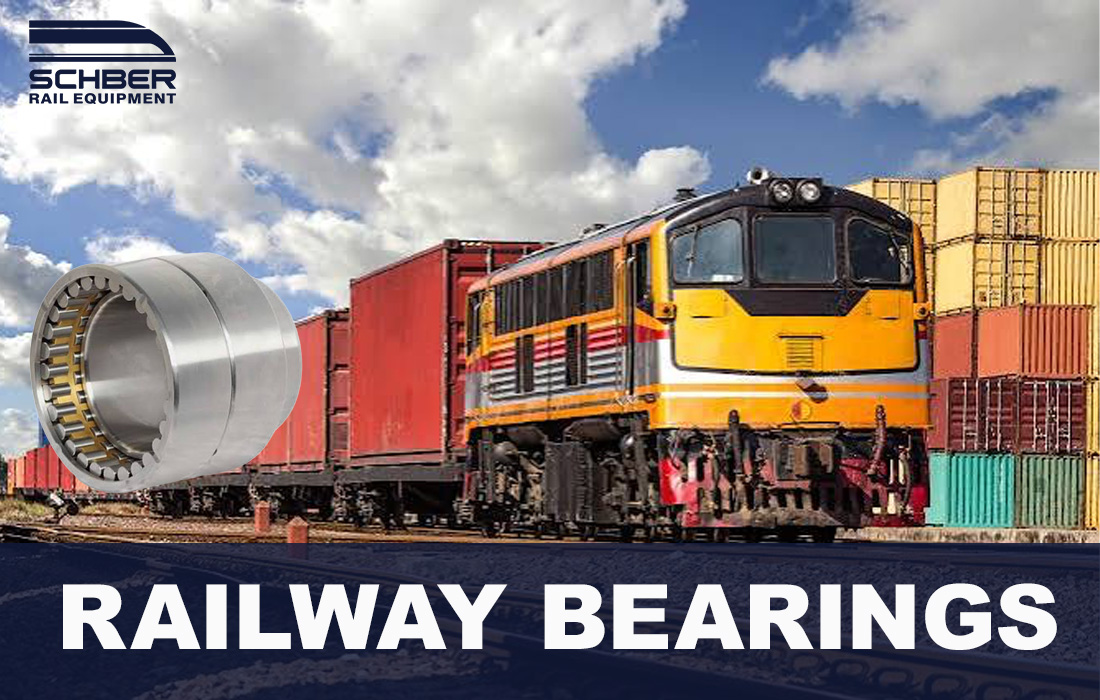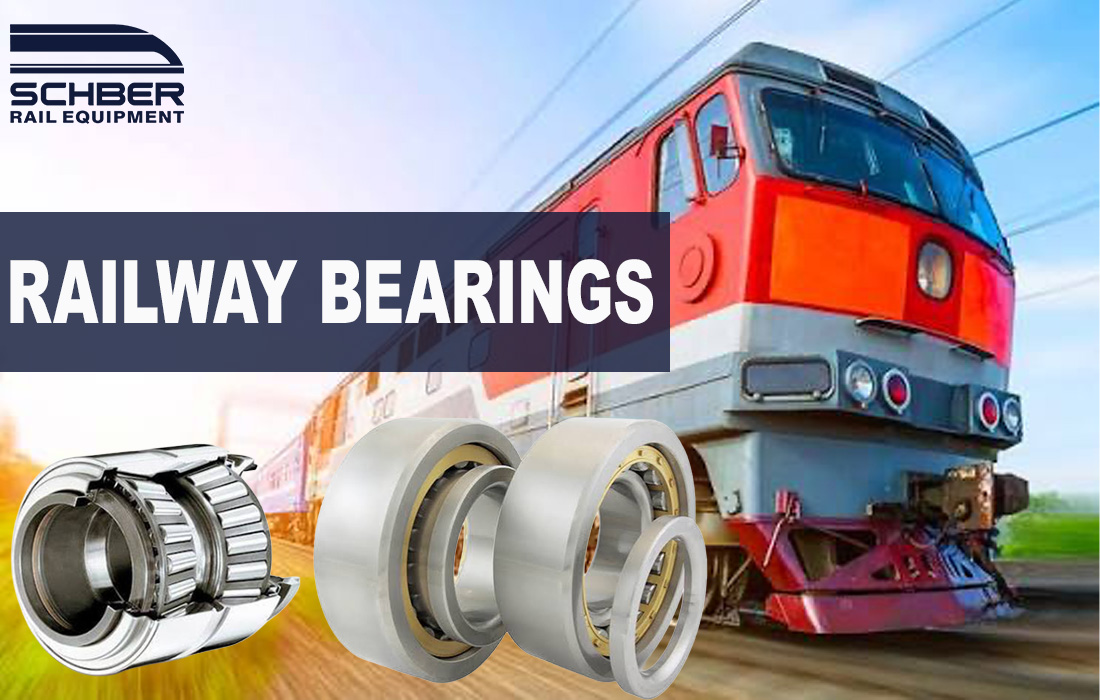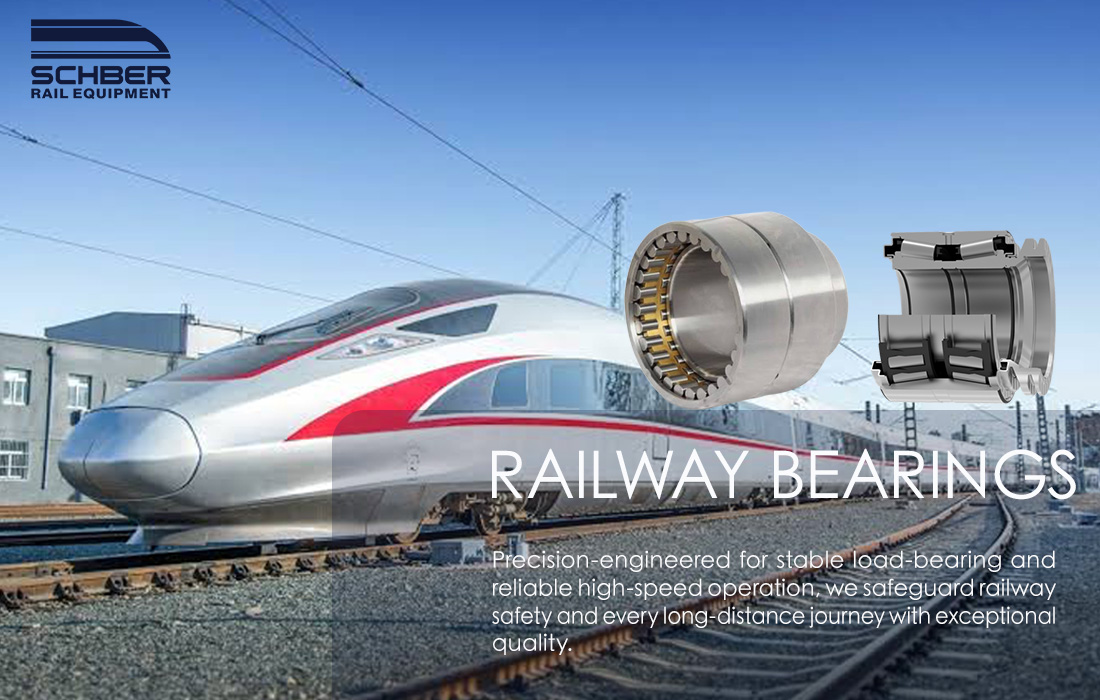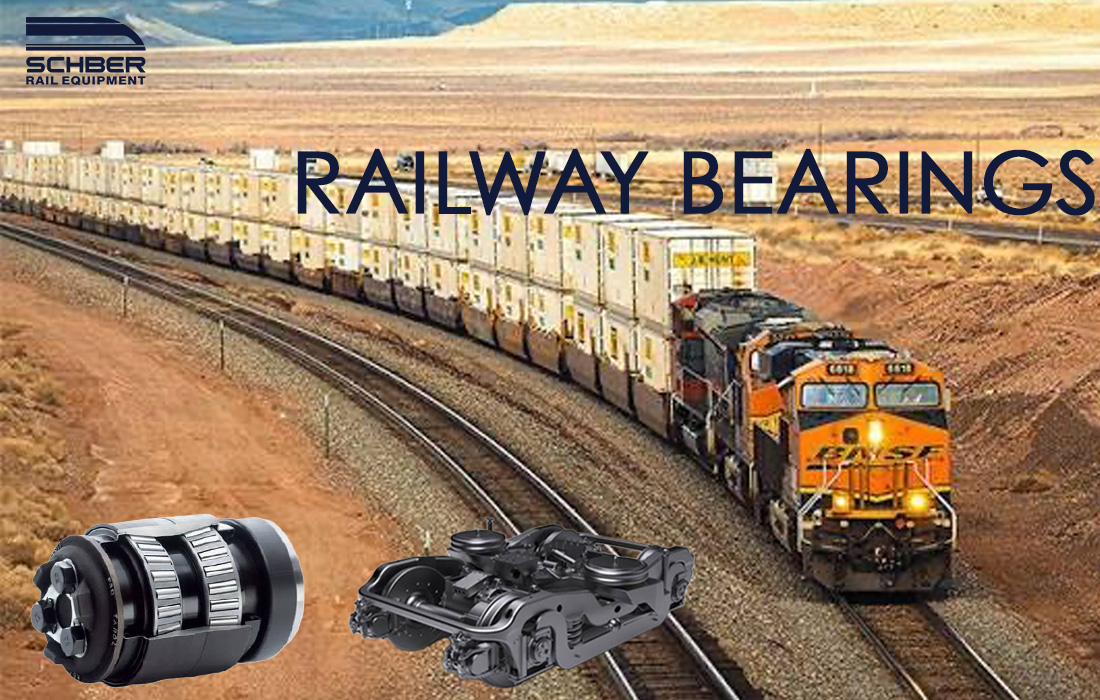
Railway bearings are critical rotating components of railway vehicles, responsible for supporting the axle, wheelset, and transmission system. Given the nature of long-term railway operations, these bearings must withstand high speeds, heavy loads, and vibrations. Consequently, technical parameters directly influence a bearing’s operational performance and service life.
Operating conditions vary across different types of railway vehicles. Therefore, high-speed trains, electric multiple units (EMUs), locomotives, and freight wagons require bearings with specific, matched parameters. Understanding these parameters helps manufacturers and purchasers make accurate selections.
1. Basic Bearing Dimensions
Basic bearing dimensions include the inner diameter, outer diameter, and width. These parameters determine how the bearing fits with the axle and the bearing housing.
Installation space also constrains bearing dimensions; therefore, the axle diameter, housing bore, and available axial space must be verified during selection. Proper dimensions are essential to ensure correct installation and operation.
2. Dynamic Load Rating
The dynamic load rating reflects a bearing’s capacity to withstand cyclic loads. During operation, railway bearings are subjected to continuous radial and axial loads.
Consequently, dynamic load directly affects the bearing’s fatigue life. Heavy-haul railway vehicles require higher load-bearing capacities, while high-speed vehicles require selection based on actual load conditions.
3. Static Load Rating
The static load rating reflects a bearing’s capacity to withstand static loads. Even when the vehicle is stationary, the bearings must support the weight of the car body and wheelsets.Additionally, starting, braking, and track-induced impacts generate significant loads. Therefore, designers must consider both static load capacity and dynamic loading conditions.
4. Limiting Speed
Limiting speed is a crucial parameter for railway bearings. Generally, higher train operating speeds result in higher bearing rotational speeds.
High-speed rotation increases friction and temperature rise; thus, bearings for high-speed trains must exhibit excellent high-speed performance. Factors such as lubrication methods, internal structure, and seal design also influence the permissible rotational speed.
5. Radial Clearance
Radial clearance refers to the internal radial gap within the bearing. It affects temperature rise, vibration, and rotational stability.Excessively small clearance can increase friction and heat generation, while excessively large clearance may lead to increased vibration and impact loads. Therefore, manufacturers must appropriately control internal clearance based on the bearing’s structure and operating temperature.
6. Axial Clearance
Some railway bearings are required to withstand axial loads; consequently, axial clearance is a critical parameter.Proper axial clearance accommodates thermal expansion during operation while maintaining the bearing’s stable running state. Axial performance characteristics vary depending on the bearing structure.
7. Precision Class
Bearing precision affects the smoothness of vehicle operation. Key parameters include dimensional accuracy, rotational accuracy, and geometric accuracy.High-speed rail bearings typically require high manufacturing precision. High-quality machining is essential for the rings, rollers, and raceways to minimize vibration and noise while enhancing high-speed performance.
8. Bearing Structure and Contact Parameters
Railway bearings come in various structural configurations, with cylindrical roller bearings and tapered roller bearings being common examples.Different structures offer distinct load-bearing characteristics. Cylindrical roller bearings generally excel in radial load capacity, whereas tapered roller bearings are suitable for handling combined radial and axial loads.
Users must select the appropriate structure based on the installation location; for instance, axle boxes, traction motors, and gearboxes impose different requirements on bearing structure.
9. Materials and Heat Treatment
Bearing materials directly influence fatigue life and wear resistance. Railway bearings typically require bearing steel with high strength.Manufacturers must also carefully control heat treatment processes. Hardness, microstructure, and dimensional stability all impact long-term performance; thus, material selection and heat treatment are critical quality parameters.
10. Sealing and Lubrication Parameters
Railway vehicles are frequently exposed to dust, rain, and moisture, necessitating excellent bearing sealing performance.Sealing structures prevent contaminants from entering the bearing, while proper seal design minimizes grease leakage.
Additionally, the type and quantity of grease used are crucial. Proper lubrication reduces friction and temperature rise, helping to extend the bearing’s service life.
11. Bearing Weight and Unit Dimensions
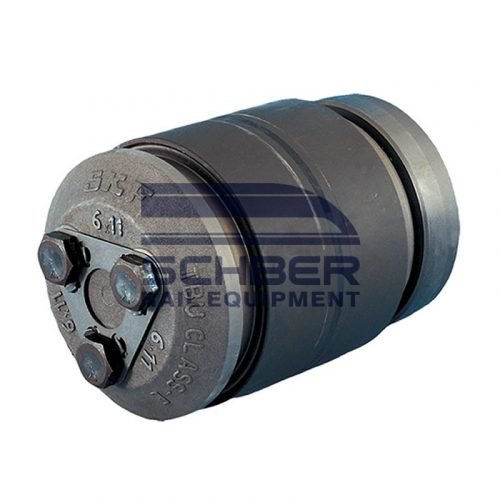
Overall dimensions and weight are also important considerations for railway bearing units, as they must be compatible with the bogie and axle box structures.Furthermore, an optimized weight design contributes to the overall optimization of the vehicle system. Therefore, when purchasing, one cannot focus solely on the internal parameters of the bearing; overall installation conditions must also be considered.
Summary
The key technical parameters of railway bearings include dimensions, load ratings, limiting speeds, internal clearance, precision, structure, materials, sealing, and lubrication.Among these, dimensions determine the fit and installation compatibility. Load ratings affect load-carrying capacity and fatigue life. Speed ratings determine high-speed operational capability. Internal clearance influences temperature rise and stability.
Additionally, precision affects vibration and noise levels. Materials and heat treatment impact service life, while sealing and lubrication are critical to long-term operational performance.Consequently, selecting railway bearings requires more than just focusing on a single parameter. Users must make comprehensive assessments based on vehicle type, installation location, operating speed, and load conditions to select the most suitable railway bearing products.