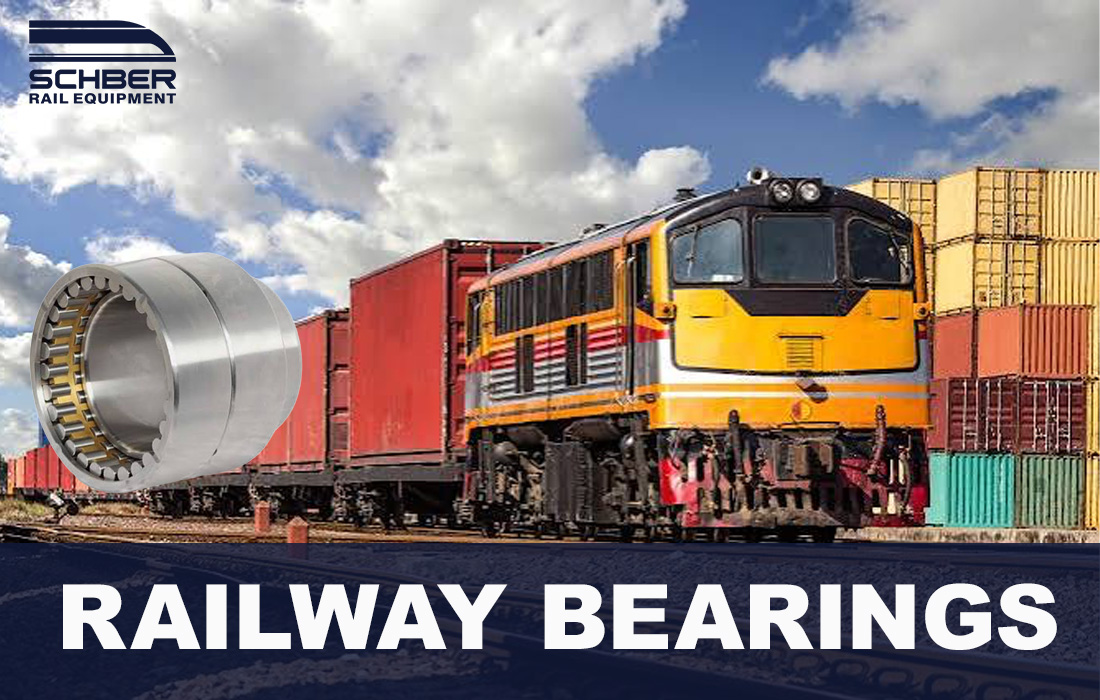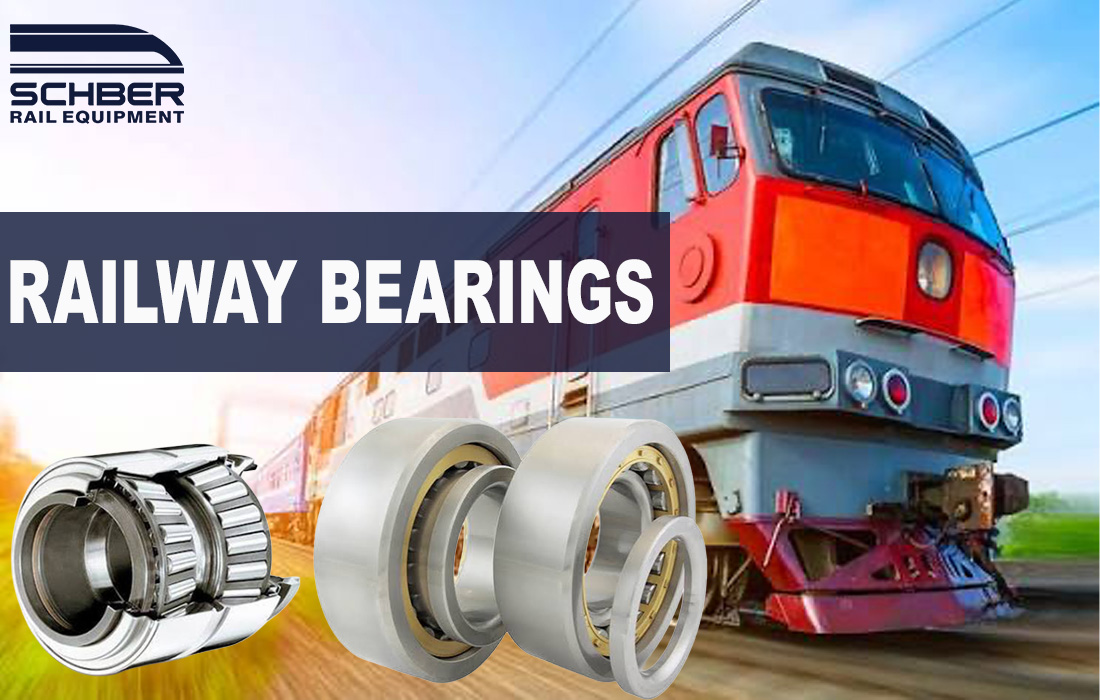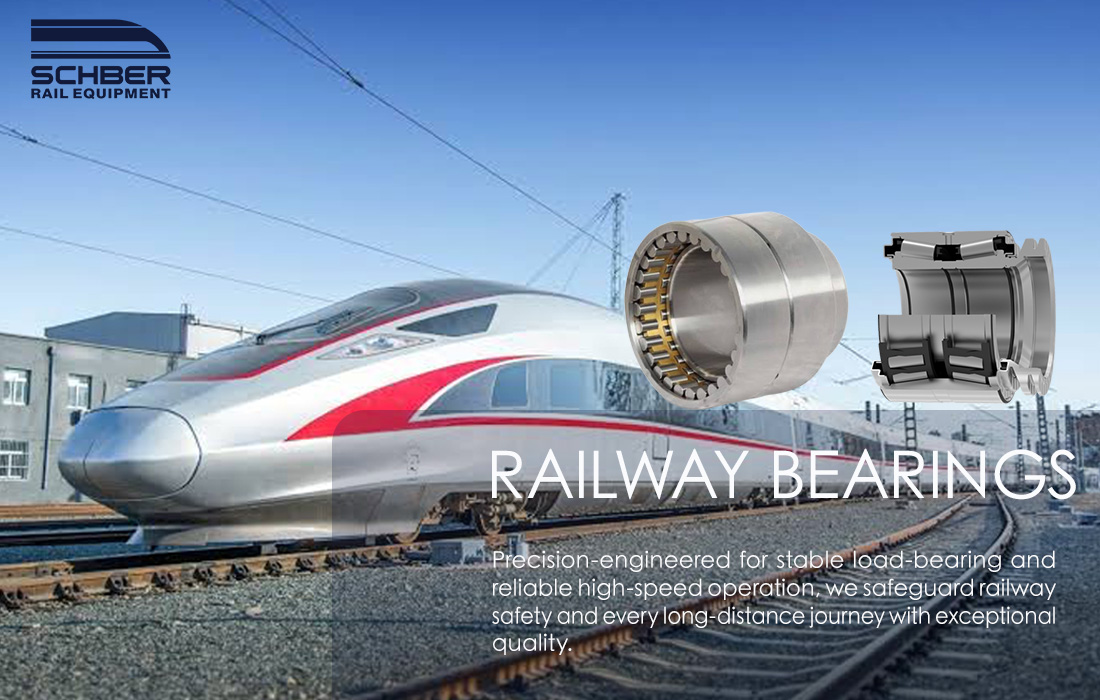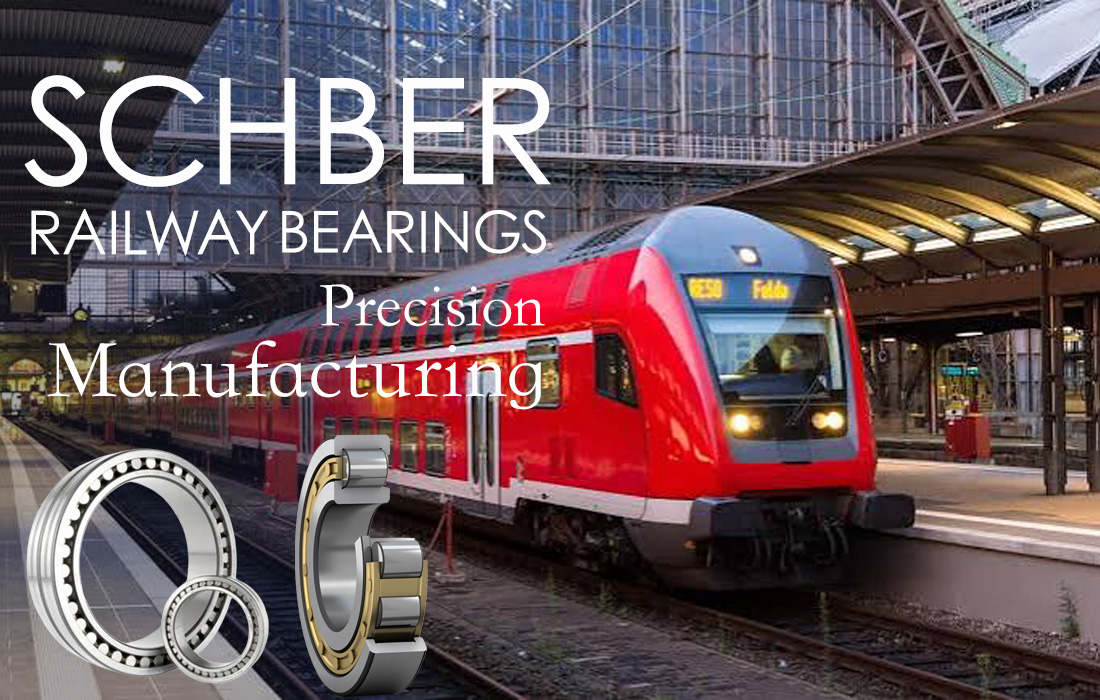
Railway bearings are rolling bearings specifically designed for rail transport equipment, such as locomotives, passenger coaches, freight wagons, high-speed trains, electric multiple units (EMUs), and urban rail vehicles. They primarily support rotating components—including axles, wheelsets, traction motors, and gear drives—while minimizing friction and energy loss during operation and withstanding radial, axial, and impact loads generated by the vehicle’s movement.
Compared to standard industrial bearings, railway bearings must meet stringent requirements regarding high-speed operation, high load-bearing capacity, long service life, high reliability, low vibration and noise levels, and superior sealing and lubrication performance. In high-speed and heavy-haul railway applications, in particular, the operational stability and reliability of the bearings are directly linked to the vehicle’s operational efficiency and safety.
Based on installation location and functional application, railway bearings primarily include axle-box bearings, bogie bearings, wheelset bearings, traction motor bearings, gearbox bearings, and bearings for other auxiliary equipment. Different bearing types employ specific structural designs, materials, sealing methods, and lubrication schemes tailored to the vehicle structure, operating speed, load conditions, and operating environment.
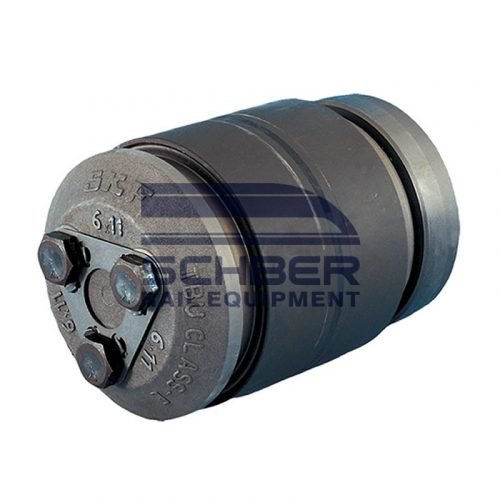
In terms of product configuration, railway bearings can be categorized into various types, such as single-row bearings, double-row bearings, cylindrical roller bearings, tapered roller bearings, and integrated railway bearing units. Proper bearing selection, precision manufacturing, and rigorous quality control effectively enhance the operational stability of railway vehicles, extend bearing service life, and improve overall operational efficiency.
For manufacturers and suppliers, the selection and matching of railway bearings require consideration of specific factors such as vehicle type, installation location, bearing model, dimensions, load, rotational speed, lubrication method, and relevant railway industry standards.