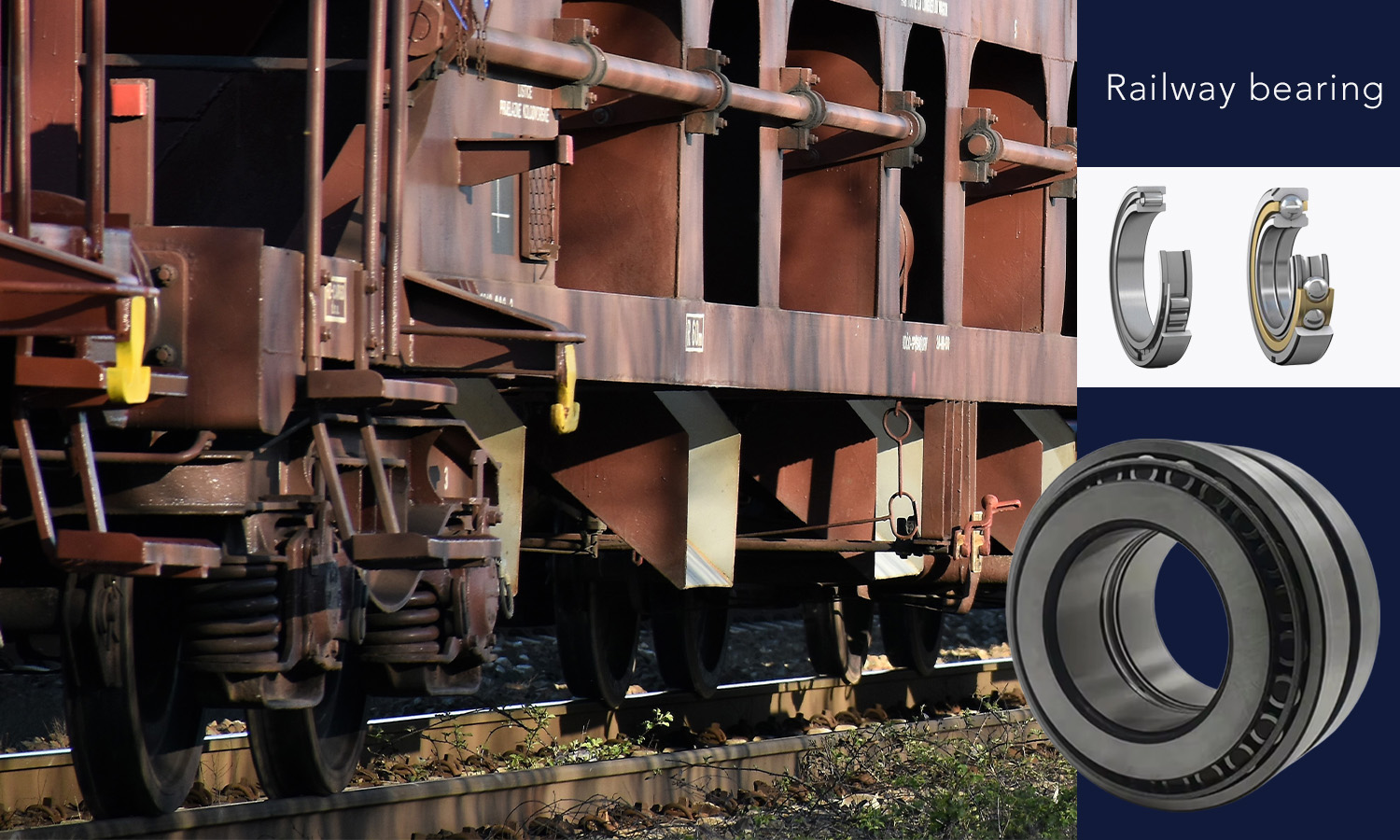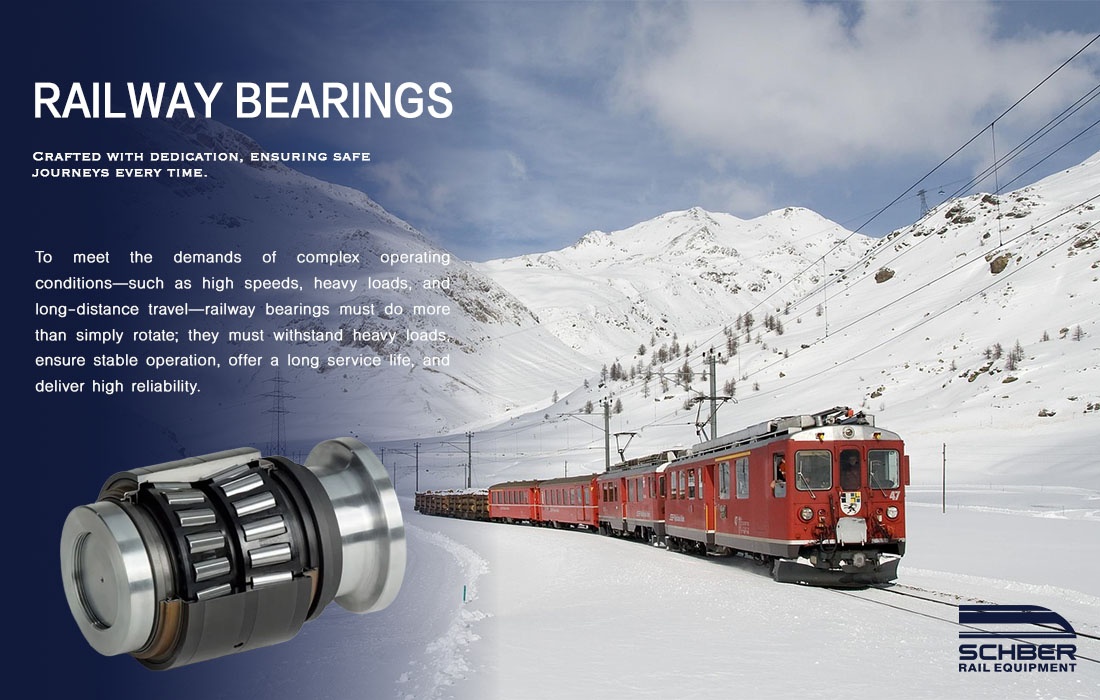
Railway bearings perform critical load-bearing and rotational functions. They must withstand demanding operating conditions, including high speeds, heavy loads, vibration, and impact. Bearing quality directly affects the operational stability of railway vehicles; therefore, systematic quality inspection is essential.
Railway Bearing Dimensional Inspection
Dimensional accuracy is a key aspect of bearing quality inspection. Inspectors measure the inner diameter, outer diameter, and width. Additionally, parameters such as roundness, cylindricity, and end-face runout are checked.
Precise dimensions improve assembly quality, while appropriate dimensional tolerances minimize abnormal friction during operation. High-speed railway bearings are subject to stricter requirements regarding dimensional accuracy.
Railway Bearing Material Inspection
Material properties influence the service life of bearings. Inspections typically cover chemical composition, hardness, and microstructure.
Hardness testing assesses basic material properties, while metallographic inspection allows for the examination of the material’s internal structure. The quality of heat treatment is also a critical focus area.
Superior material properties enhance wear resistance and improve fatigue strength.
Railway Bearing Surface Quality Inspection
The surfaces of bearing raceways and rolling elements must be in good condition. Inspectors check for defects such as cracks, scratches, spalling, and burn marks.
Surface defects can increase contact stress and, if severe, compromise the bearing’s service life. Consequently, surface quality inspection is vital.
Railway Bearing Internal Quality Inspection
Some defects are not visible to the naked eye; in such cases, non-destructive testing (NDT) methods are employed.Common methods include ultrasonic testing and magnetic particle inspection. These techniques help detect internal defects and surface anomalies.Comprehensive internal quality inspection enhances operational reliability and helps mitigate the risk of potential failures.
Railway Bearing Rotational Performance Inspection
Rotational performance is directly linked to the operational status of railway vehicles. Inspection parameters typically include rotational flexibility, vibration, noise, and temperature rise.Good rotational performance reduces operational resistance, while appropriate internal clearance helps improve operational stability.
For high-speed railway bearings, particular attention is paid to high-speed rotation; inspectors monitor temperature rise and changes in vibration. Railway Bearing Sealing and Lubrication Inspection
Railway vehicles are frequently exposed to dust, rain, and grit. Effective sealing structures minimize the ingress of contaminants into the bearing.
Lubrication status also impacts bearing performance. Inspections focus on grease quality, fill quantity, and the state of lubrication.Proper lubrication reduces friction and wear, while effective sealing helps extend the bearing’s service life.
Railway Bearing Reliability Testing
Railway bearings must operate continuously over long periods; therefore, reliability testing is a critical step.
Common tests include service life, durability, temperature rise, and vibration testing. Testing protocols must be tailored to specific vehicle types and operating conditions.
Systematic testing provides a comprehensive understanding of bearing performance. The resulting data helps optimize product design and quality management.
The Importance of Railway Bearing Inspection
Quality inspection for railway bearings encompasses multiple stages, requiring strict control from raw materials to the finished product.
Dimensional inspection focuses on assembly precision; material inspection assesses fundamental properties; surface and internal inspections check for defects; rotation testing evaluates actual operating conditions; and reliability testing assesses long-term performance capabilities.
Comprehensive inspection allows for an accurate assessment of bearing quality. Consistent bearing performance is vital for the safe operation of railway vehicles.