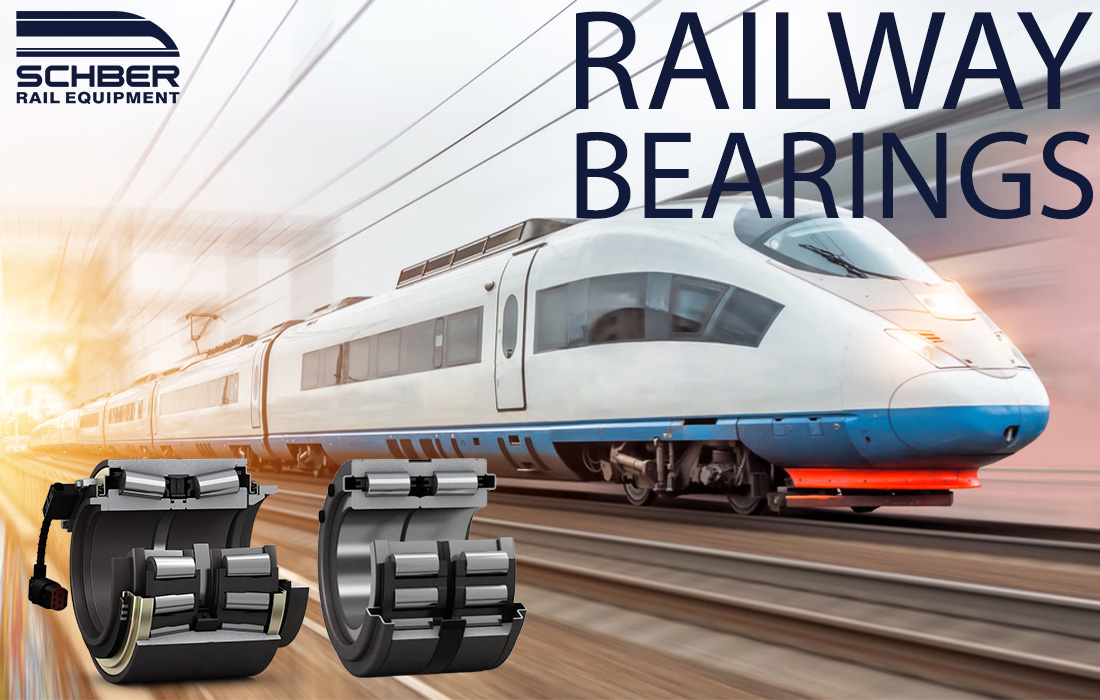
Railway vehicles comprise multiple rotating systems, with different locations performing distinct functions. Consequently, different types of bearings are typically employed in various parts of the vehicle.
Bearings must be selected based on factors such as load, rotational speed, temperature, and available installation space. Railway vehicles are also subject to vibration and shock; therefore, actual selection depends on the specific vehicle model and equipment design.Below are some common locations where bearings are applied in railway vehicles:
1. Axle Box
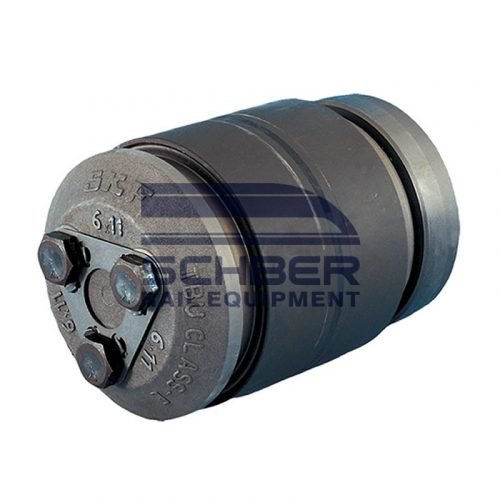
Axle box bearings are installed at both ends of the axle and directly support the wheelset during vehicle operation.These bearings must withstand significant radial loads. Additionally, they are subjected to axial forces, vibration, and shock during operation.
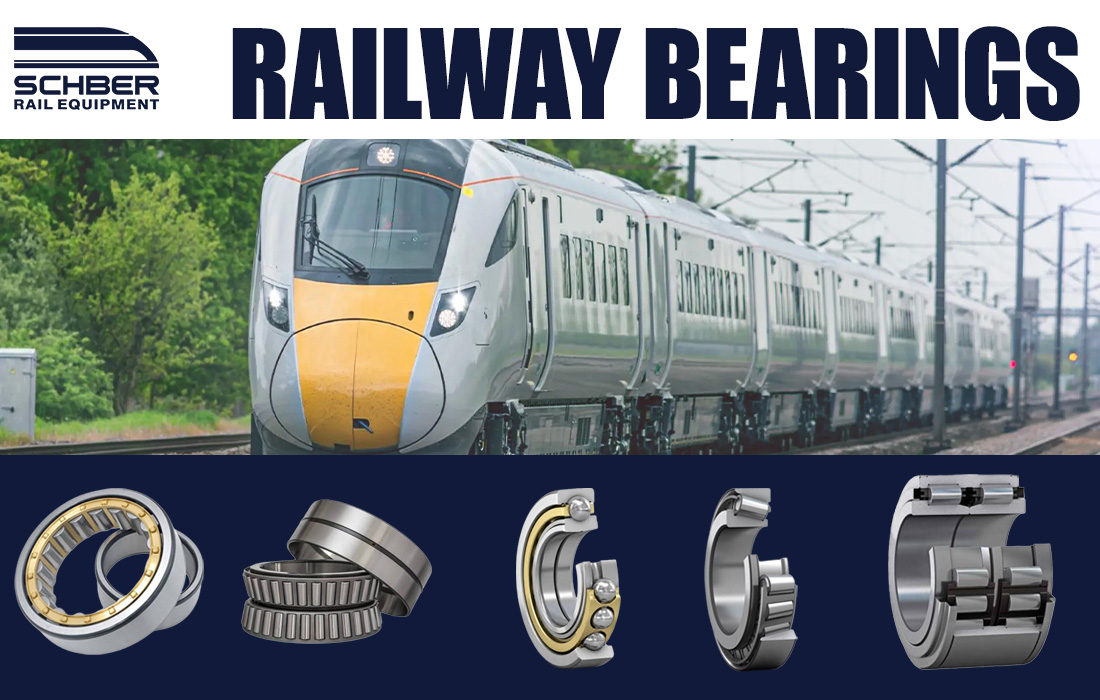
The bearing configurations used in freight wagons, passenger coaches, and electric multiple units (EMUs) differ. Common types include cylindrical roller bearings and tapered roller bearings.
Axle box bearings are critical to operational safety; thus, the railway industry imposes strict requirements regarding their service life, reliability, and condition monitoring.
2. Traction Motor
Traction motors provide the power required for vehicle operation. Bearings are needed inside the motor to support the rotor.Traction motor bearings generally need to accommodate high rotational speeds while withstanding the radial and axial loads generated during motor operation.
Some motors also require measures to address electrical erosion caused by current passing through the bearings. Consequently, insulated bearings or other electrical protection solutions are used in certain applications.The specific bearing type is determined by the motor’s design, rotational speed, and load characteristics.
3. Gearbox
Railway vehicles typically transmit power via gearboxes, which contain multiple rotating shafts.Gearbox bearings primarily support the gear shafts, withstanding the radial and axial forces generated by gear meshing.
Types such as cylindrical roller bearings and tapered roller bearings may be used in gearboxes, depending on the gear configuration and the direction of the loads.High-speed operation places additional demands on bearing precision and lubrication.
4. Cooling Fan
Railway vehicles utilize cooling fans to dissipate heat from motors, electrical equipment, and other systems.
Cooling fan bearings must support the fan shaft during high-speed rotation. As fans often operate for extended periods, bearing stability is crucial. For fan bearings, factors such as rotational speed, temperature, vibration, and lubrication conditions must be considered.Different fan configurations require different bearing solutions; the bearing model cannot be determined solely based on the designation “cooling fan.”
5. Air Compressor Applications
Air compressors supply compressed air to railway vehicles, serving braking systems, doors, and other auxiliary systems.Air compressor bearings primarily support the internal rotating shaft and must accommodate the unit’s rotational speed and operating temperature.Lubrication method is another critical factor; long-term, continuous operation places higher demands on lubrication and maintenance.
6. Auxiliary Motor Applications
Railway vehicles utilize numerous auxiliary motors—such as those driving fans, electric pumps, and other auxiliary equipment.Bearings for auxiliary motors are selected based on motor speed, load, and mounting configuration.Some applications prioritize low operating noise, while others focus more on high-speed performance and service life.Consequently, bearing specifications may vary even among motors classified as “auxiliary.”
Railway Vehicle Bearings Must Be Selected Based on Actual Operating Conditions
No single bearing type is suitable for every location on a railway vehicle.Axle boxes, traction motors, gearboxes, cooling fans, and air compressors all operate under different conditions. Bearing selection must take into account the equipment’s design and specific operating parameters.
For overseas buyers, understanding the bearing’s mounting location is crucial. Providing equipment models, bearing part numbers, dimensions, and operating conditions enables suppliers to identify the correct products more accurately.
We supply bearings for railway vehicles. For specific applications, we consult with clients based on provided models and technical parameters rather than simply recommending bearings based on the equipment name.