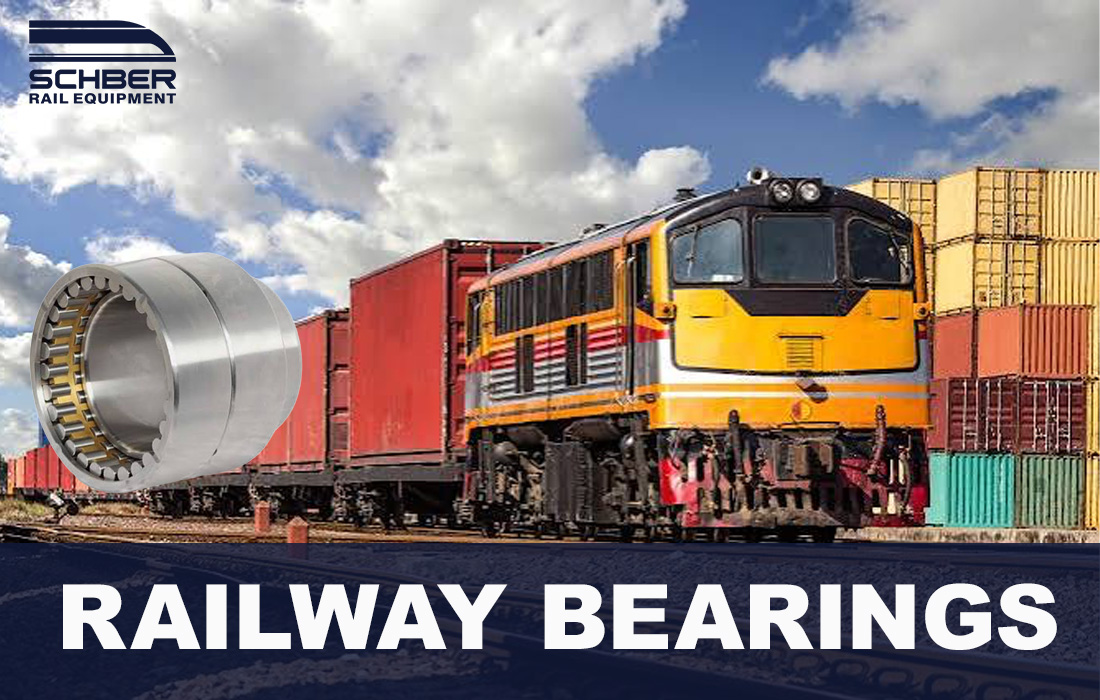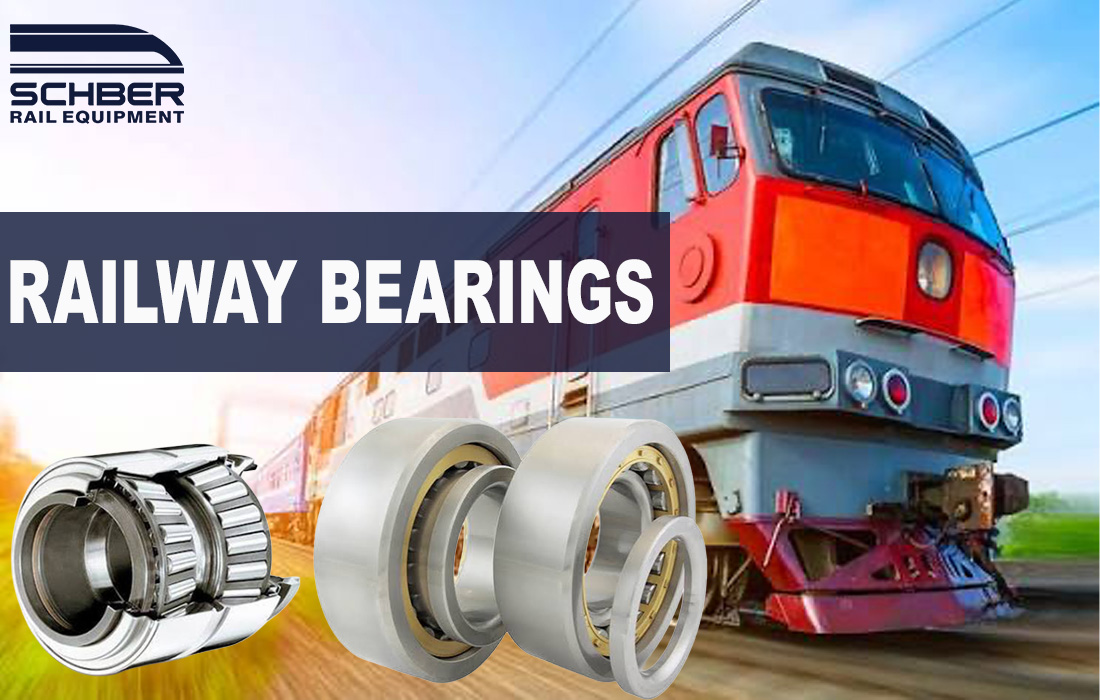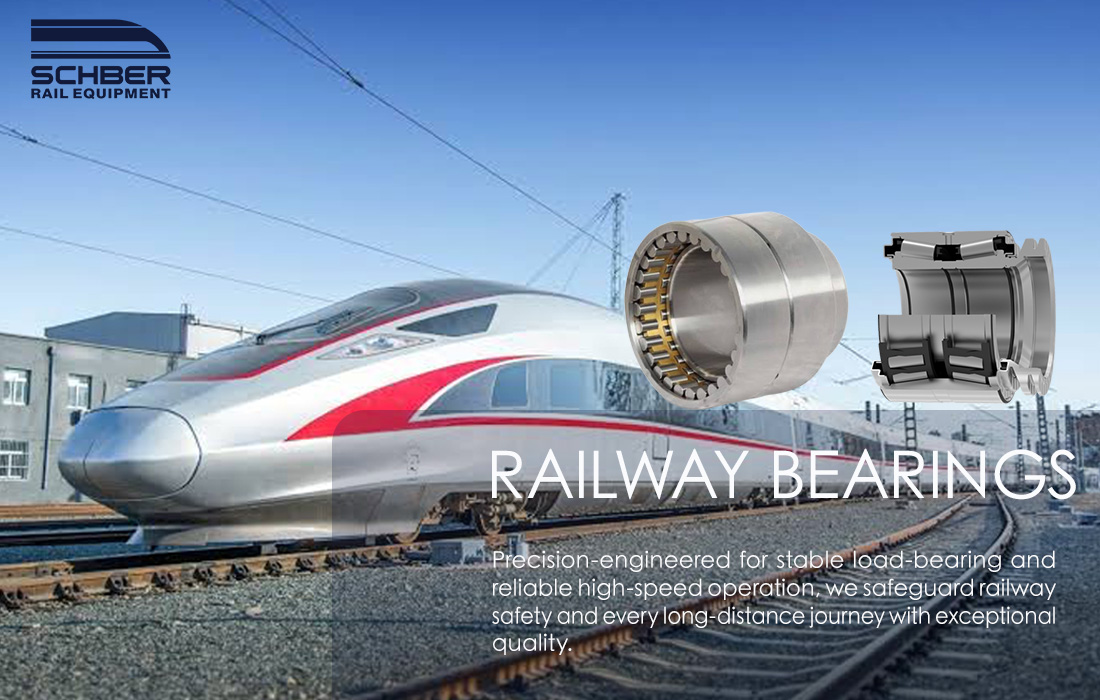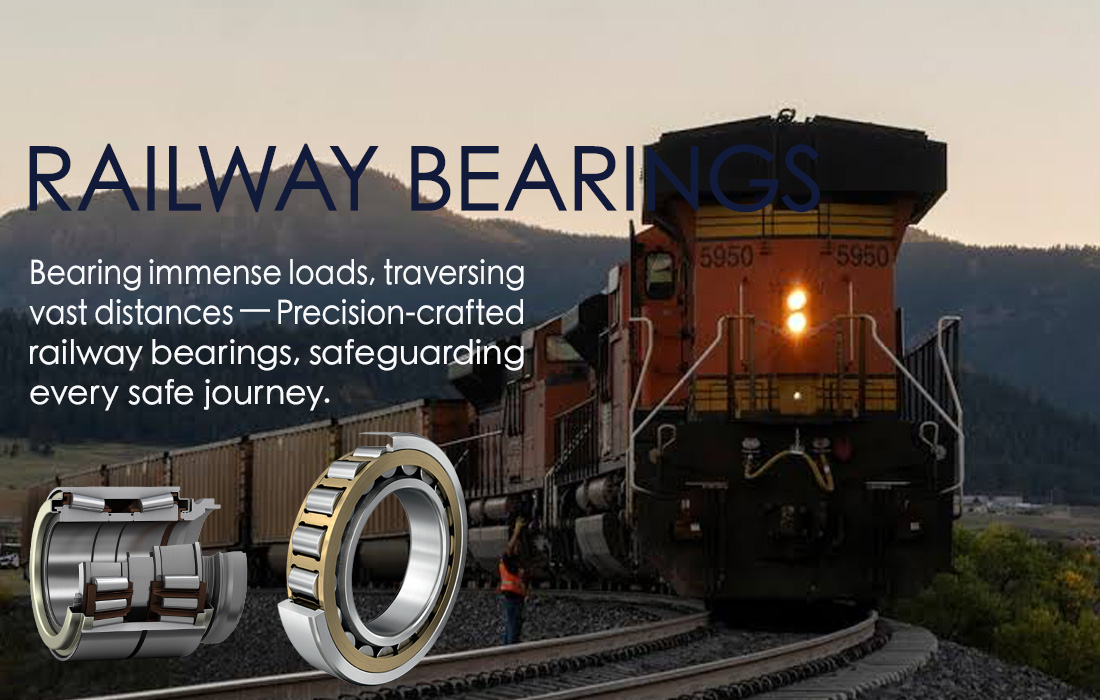
Both railway bearings and standard industrial bearings serve to provide support and reduce friction. While they may look similar, there are significant differences in their operating environments and design requirements. Railway bearings are primarily used in high-speed trains, electric multiple units (EMUs), locomotives, passenger coaches, freight wagons, and urban rail vehicles. In contrast, standard industrial bearings are widely used in electric motors, pumps, fans, machine tools, gearboxes, and conveyor systems.
1. Differences in Operating Environments
Railway vehicles operate for extended periods. Trains are subjected to high speeds, vibration, impact, temperature fluctuations, and complex weather conditions; railway bearings must be capable of withstanding these operating conditions.Standard industrial bearings operate in a much wider range of environments. Different types of equipment impose varying requirements regarding speed, load, and service life.
Railway bearings generally demand higher operational reliability. A serious bearing failure can disrupt vehicle operation; therefore, strict quality control is essential for railway bearings.
2. Differences in Load-Bearing Requirements
Railway vehicles are heavy, and freight trains, in particular, carry substantial loads. Railway bearings must withstand high radial loads as well as specific axial and impact loads.
Standard industrial bearings also support loads, but the specific requirements depend on the type of equipment.
For example, railway axle-box bearings must support the wheelset over long periods. Gearbox bearings must withstand complex loads during power transmission, while traction motor bearings must balance high-speed rotation with stable operation.
3. Differences in Operating Speeds
High-speed rail places stringent demands on bearing rotational speeds. During high-speed operation, bearings must maintain stable rotation while controlling temperature rise, vibration, and noise.
The speed ranges for standard industrial bearings vary widely. Some equipment operates at low speeds, meaning bearing design may prioritize load-bearing capacity or wear resistance.For high-speed rail and EMU bearings, manufacturers must focus heavily on high-speed performance.
4. Differences in Service Life Requirements
Railway vehicles are typically designed for long-term operation. Consequently, railway bearings must offer a long service life and consistent operational performance.
The service life of a railway bearing depends not only on the materials used but also on factors such as load, rotational speed, lubrication, sealing, installation, and maintenance. While standard industrial bearings also prioritize service life, maintenance intervals and replacement requirements vary depending on the specific equipment.
5. Differences in Sealing and Lubrication Requirements
Railway vehicles operate in complex environments where dust, moisture, and contaminants can penetrate the bearing’s working area. Consequently, railway bearings typically require robust sealing designs.
Lubrication is equally critical; proper lubrication minimizes friction and wear while helping to regulate bearing temperature.Some railway bearings feature pre-lubricated designs. Bearing units may also integrate sealing and lubrication structures to reduce maintenance needs.
6. Higher Safety and Reliability Standards
Railway bearings are vital components of railway vehicles. Products such as axle-box bearings and wheelset bearings directly impact vehicle operation.Manufacturers must exercise strict control over materials, heat treatment, machining precision, assembly quality, and final inspection.
While standard industrial bearings also require stability and reliability, railway bearings face higher operational risks and more stringent quality standards.
7. Structural and Model Variations
Railway bearings come in various configurations, including cylindrical roller bearings, tapered roller bearings, double-row bearings, and integrated railway bearing units.Different vehicle types and installation locations require specific bearing designs.
For example:
Axle-box bearings: Primarily used in wheelset and bogie systems.
Traction motor bearings: Primarily used in traction motors.
Gearbox bearings: Primarily used in power transmission systems.
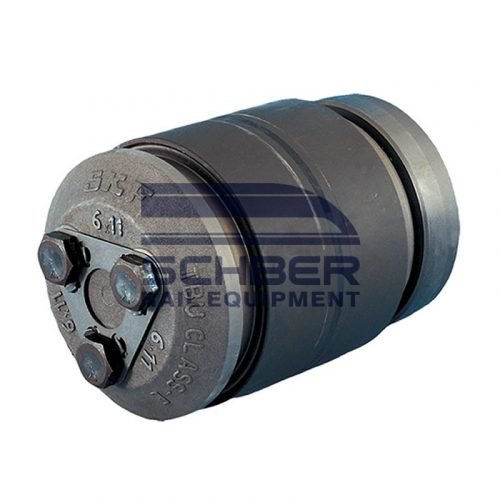
Railway bearing units: Integrate bearings, seals, and related structures into a single assembly.
Standard industrial bearings also offer a wide range of models, but their designs and configurations are tailored to specific industrial equipment.
8. Alignment with Railway Operating Conditions
Selecting a railway bearing requires more than just considering dimensions; factors such as vehicle type, installation location, load, rotational speed, lubrication method, sealing structure, and operating environment must all be taken into account.
Operating conditions differ for high-speed train bearings, EMU (Electric Multiple Unit) bearings, locomotive bearings, and freight wagon bearings. Therefore, users must select the appropriate product based on specific operating conditions.
Summary
The primary differences between railway bearings and standard industrial bearings lie in their operating environments, load-bearing capacities, operating speeds, service life, sealing and lubrication systems, safety requirements, and structural designs.
Standard industrial bearings are capable of meeting the fundamental rotational requirements of a wide range of equipment. Railway bearings place a greater emphasis on high-speed operation, long-term stability, and safety and reliability.
For railway vehicle manufacturers, maintenance providers, and bearing purchasers, selecting the right railway bearings can help improve vehicle operational efficiency and reduce maintenance costs.