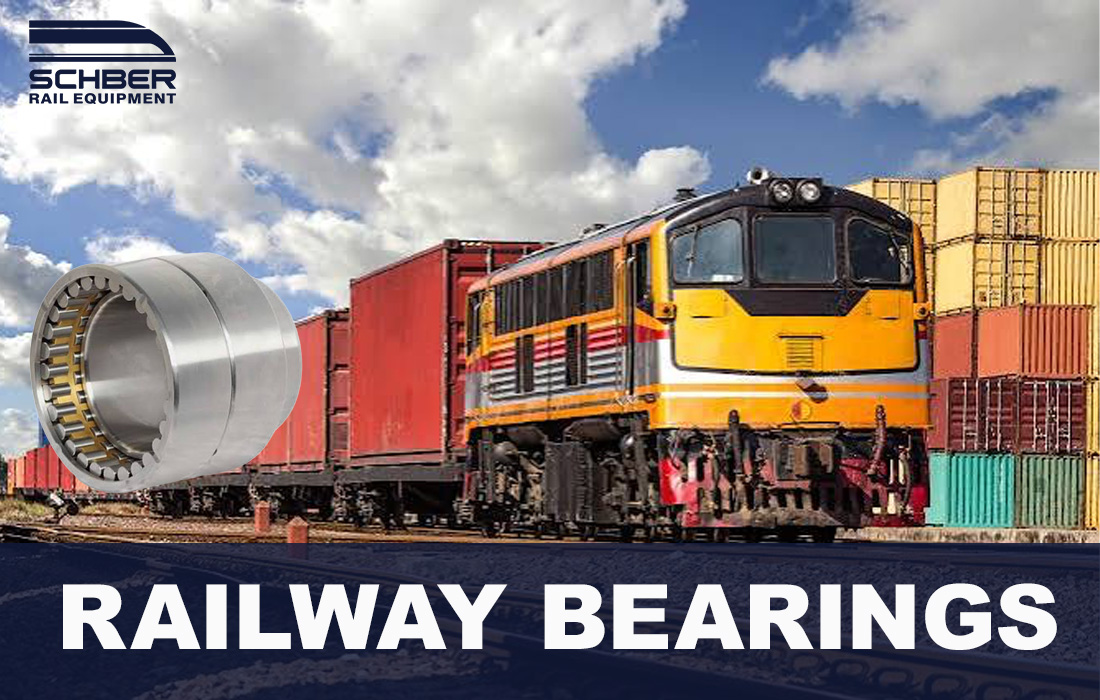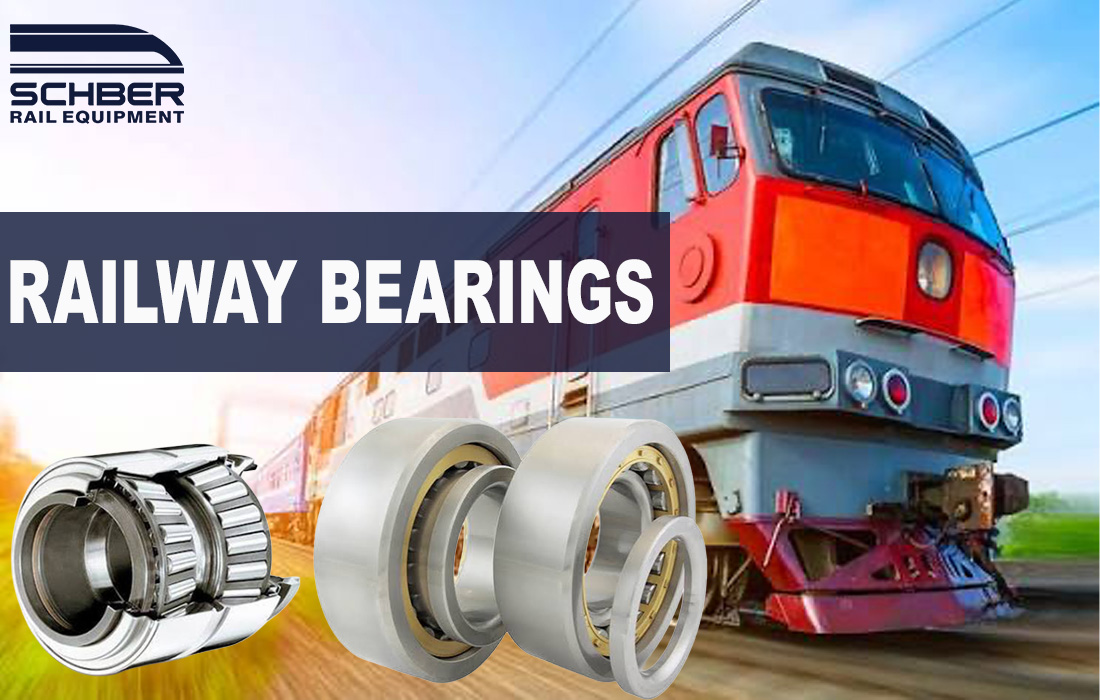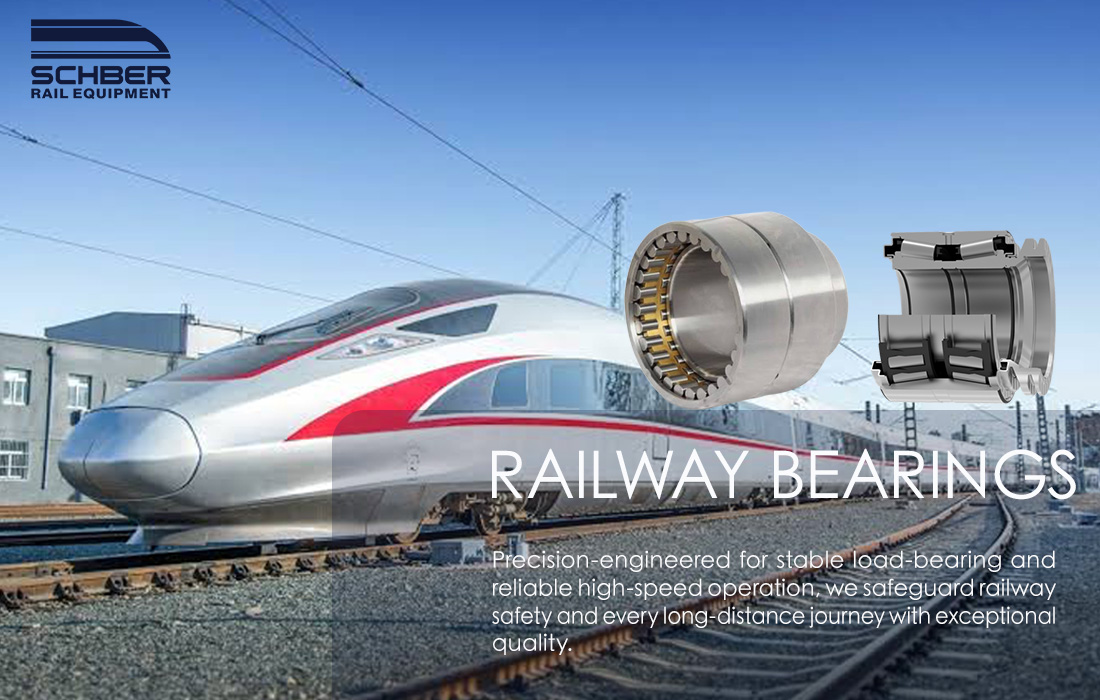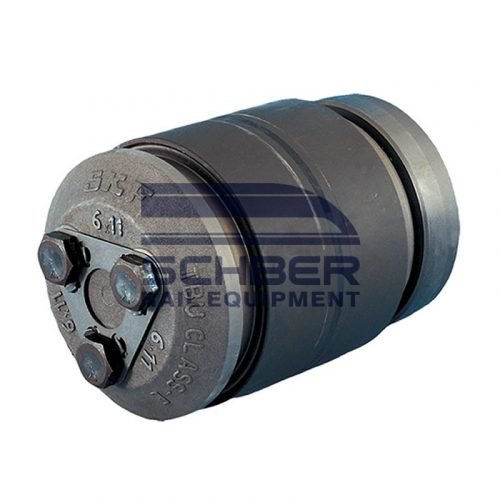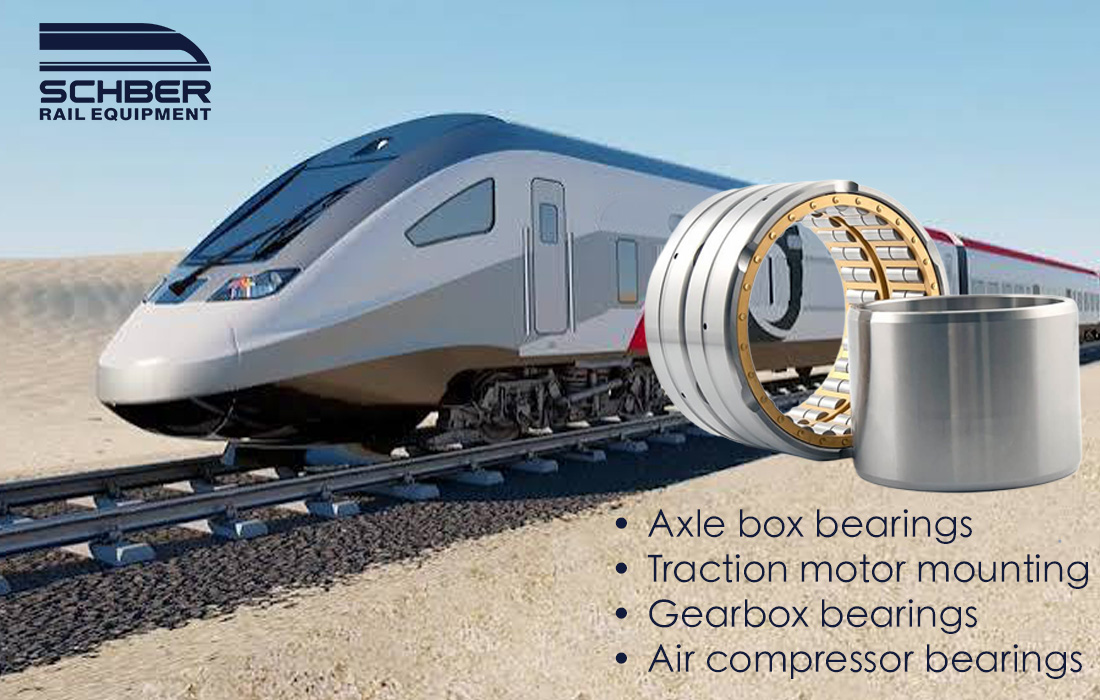
Railway bearings are critical components of railway vehicles, primarily facilitating rotation and supporting loads between the axle and the axle box. Given the long-term operation of railway vehicles, these bearings must withstand significant radial loads, impacts, vibrations, and temperature fluctuations. Consequently, railway bearings require consistent quality and reliable operational performance.
What standards must railway bearings meet?
Different countries and railway projects employ varying technical standards. The European market focuses on standards such as EN 12080 for railway axle box rolling bearings. EN 12080:2025 specifies requirements regarding materials, metallurgical properties, dimensions, geometric characteristics, quality assurance, and non-destructive testing for these bearings.
Manufacturers must select appropriate standards based on specific customer application requirements. Buyers should also confirm the target market, vehicle type, axle load, operating speed, and operating temperature prior to issuing inquiries.
1. Bearing Material Quality
The material used directly impacts the bearing’s service life. Railway bearings typically utilize high-quality bearing steel, which must maintain a high level of purity and stable mechanical properties.
Manufacturers must control raw material quality and conduct inspections during production regarding chemical composition, hardness, and microstructure.Proper heat treatment processes are also crucial; appropriate quenching and tempering can enhance the hardness and wear resistance of the bearing rings.
2. Dimensional and Machining Precision
Railway bearings demand high dimensional precision. Bearing rings, rolling elements, and cages must all conform to design dimensions.
Manufacturers must strictly control machining tolerances and inspect parameters such as inner diameter, outer diameter, width, and relevant geometric features during production.Precise dimensions ensure a proper fit between the bearing, the axle, and the axle box, thereby reducing vibration and abnormal wear during operation.
3. Non-Destructive Testing (NDT)
Railway bearings undergo rigorous quality inspections. Manufacturers employ non-destructive testing methods, such as ultrasonic testing and magnetic particle testing.
These methods help detect potential internal or surface material defects. Since NDT does not damage the bearing, it is suitable for use during both the production process and final quality control.Manufacturers are also required to maintain inspection records; comprehensive quality records facilitate product traceability for customers.
4. Bearing Performance Testing
Railway bearings must be capable of withstanding long-term operational environments. Manufacturers should conduct relevant performance tests based on the product’s intended application.
Testing may include dimensional inspection, hardness testing, rotational performance testing, temperature rise testing, and durability testing. Specific test items must be determined according to the technical requirements of the railway project.A high-quality testing system helps manufacturers identify production issues while also enhancing the operational stability of railway bearings.
5. Quality Management and Product Traceability
Railway bearings must not only comply with product standards but also be supported by a robust quality management system.
Manufacturers should control key processes such as raw material procurement, heat treatment, turning, grinding, assembly, and final inspection. Records must be maintained for every production batch.Product traceability is equally important; batch numbers and inspection records allow customers to access production information and quality data.
How to Choose a Railway Bearing Supplier?
Price is not the only factor when purchasing railway bearings. Customers should also consider material quality, manufacturing capabilities, inspection equipment, and quality control systems.
An excellent railway bearing supplier provides comprehensive technical specifications and inspection reports. Furthermore, the manufacturer should offer product solutions tailored to the customer’s specific vehicle models and operating conditions.For railway projects involving exports to Europe, purchasers should verify the specific version of the standards being applied. As standards are subject to periodic updates, it is essential to confirm the latest technical requirements prior to procurement.
Conclusion
The quality of railway bearings directly impacts the operational safety and maintenance costs of railway vehicles. Factors such as materials, machining precision, heat treatment, non-destructive testing, and performance testing all influence bearing quality.
Establishing a comprehensive quality control system is crucial for railway bearing manufacturers. Likewise, selecting a supplier that meets project standards is vital for overseas purchasers.