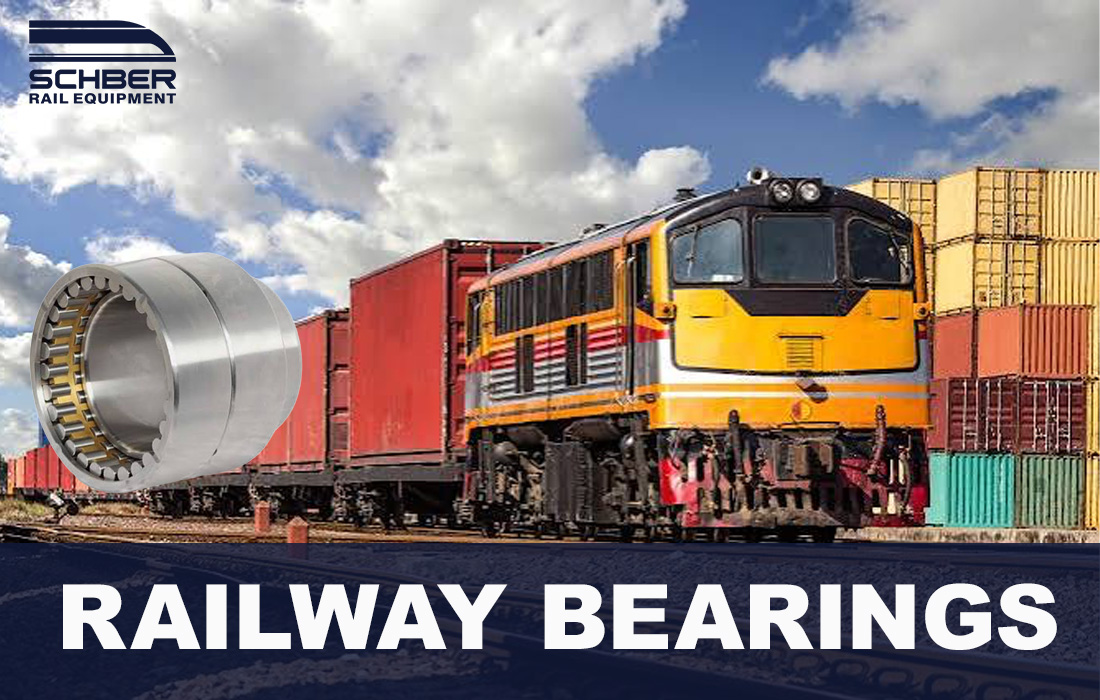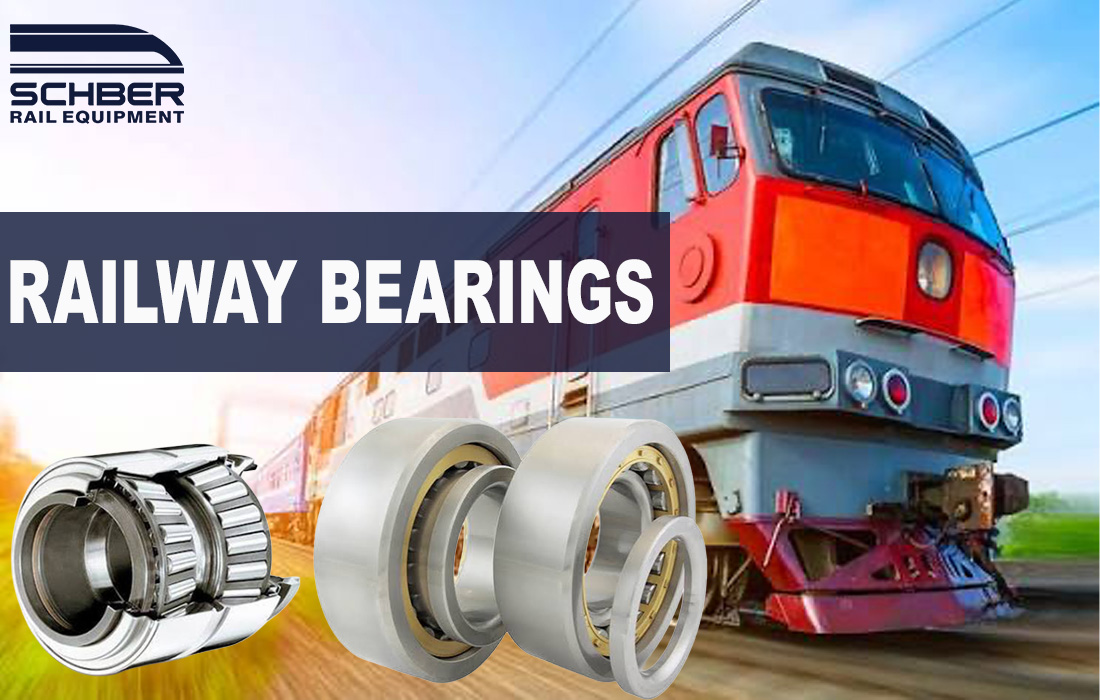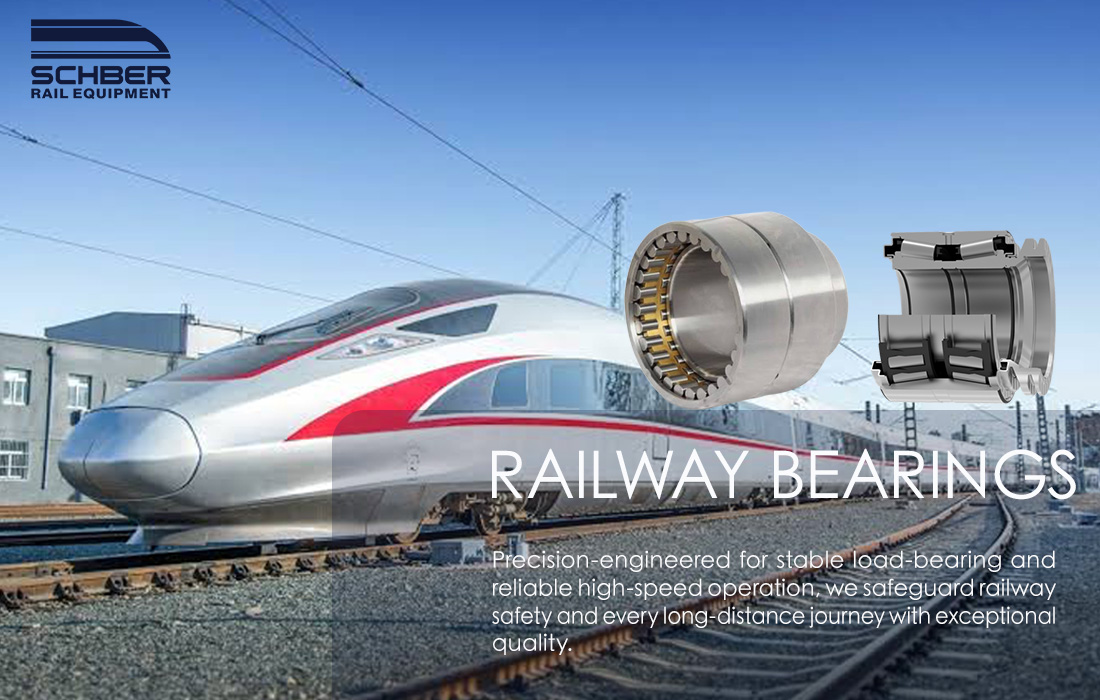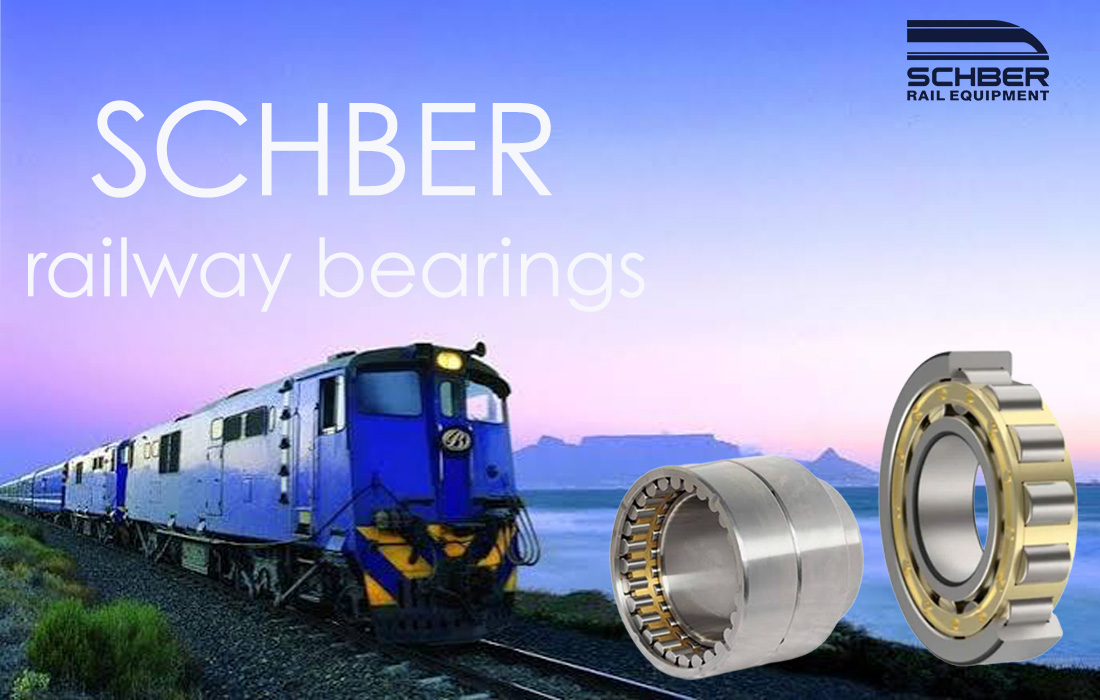
Railway bearings are subjected to sustained loads and high-speed rotation. Proper lubrication reduces friction and wear, controls temperature rise, and helps extend service life.
Different railway vehicles operate under varying conditions. Factors such as speed, axle load, ambient temperature, and operating distance influence the choice of lubrication strategy. Consequently, manufacturers must select the appropriate lubrication method based on actual operating conditions.
Why Do Railway Bearings Require Lubrication?
During operation, rolling elements maintain continuous contact with the raceways, generating friction in the contact zones.Grease forms a lubricating film on the contact surfaces, minimizing direct metal-to-metal contact.
Effective lubrication also reduces heat generation. Controlling bearing temperature is crucial for high-speed railway vehicles.Inadequate lubrication can lead to temperature spikes, noise, and abnormal wear, potentially compromising the bearing’s service life.
1. Grease Lubrication
Grease is a common lubrication method for railway bearings due to its excellent adhesion properties.It remains within the bearing assembly, minimizing lubricant loss.
Railway vehicles often travel long distances; grease lubrication meets the requirements for extended maintenance intervals.Manufacturers must select the right grease based on bearing design and operating conditions, as different temperatures and speeds require specific lubrication characteristics.
2. Oil Lubrication
Lubricating oil is used for certain specialized railway bearings or related systems. It offers superior fluidity.Oil helps dissipate heat from the bearing—a critical factor in controlling temperature rise during high-speed operation.However, oil lubrication requires effective sealing and circulation systems. Buyers should select the lubrication method based on the specific equipment design.
3. Centralized Lubrication
Some railway vehicles utilize centralized lubrication systems, which allow for the unified management of multiple lubrication points.Centralized lubrication reduces manual maintenance efforts and enables the automatic application of lubricant at preset intervals.This method is suitable for large-scale railway equipment and specific applications; the exact solution depends on vehicle design and maintenance requirements.
How to Select Grease for Railway Bearings?
Several factors must be considered when selecting grease.First, operating speed is a key factor. High-speed operation increases friction and temperature rise. Secondly, operating temperature must be considered. Cold regions require good low-temperature performance, while high-temperature environments demand stability under heat.
Thirdly, bearing load is a factor. Heavy-load applications require grease that maintains effective lubricating properties.Additionally, exposure to moisture, dust, and other contaminants must be taken into account. High-quality grease and effective sealing structures work together to protect the bearing.
Grease quantity is equally important.
More grease is not necessarily better; an excessive amount can increase the bearing’s running resistance.Conversely, insufficient grease can lead to increased friction and wear. Therefore, manufacturers must determine the appropriate quantity based on the bearing’s internal space and operating conditions.When purchasing railway bearings, overseas buyers should confirm the grease type and fill quantity with the supplier.
Railway Bearing Lubrication and Maintenance
Regular maintenance helps ensure optimal lubrication. Personnel should monitor bearing temperature and operating noise.Immediate inspection is required if there are signs of abnormal temperature rise, noise, or vibration.
Lubrication checks for railway vehicles must also be conducted based on mileage and maintenance schedules, as maintenance intervals can vary depending on the specific bearing.
How to Choose a Railway Bearing Supplier?
Overseas buyers should evaluate a supplier’s technical capabilities regarding lubrication. Specialized manufacturers can recommend suitable lubrication solutions based on factors such as vehicle speed, axle load, and operating environment.
Buyers should also inquire about the brand, model, and technical specifications of the grease used in the bearings.An appropriate lubrication solution minimizes bearing wear and helps reduce maintenance costs for railway vehicles.
Conclusion
Common lubrication methods for railway bearings include grease lubrication, oil lubrication, and centralized lubrication systems. The choice depends on the vehicle type and operating conditions.
High speeds, heavy loads, and long-distance operations place higher demands on lubrication performance. The right grease, an appropriate fill quantity, and effective sealing structures are all crucial.Partnering with a professional railway bearing manufacturer ensures that overseas customers receive the most suitable lubrication solutions.