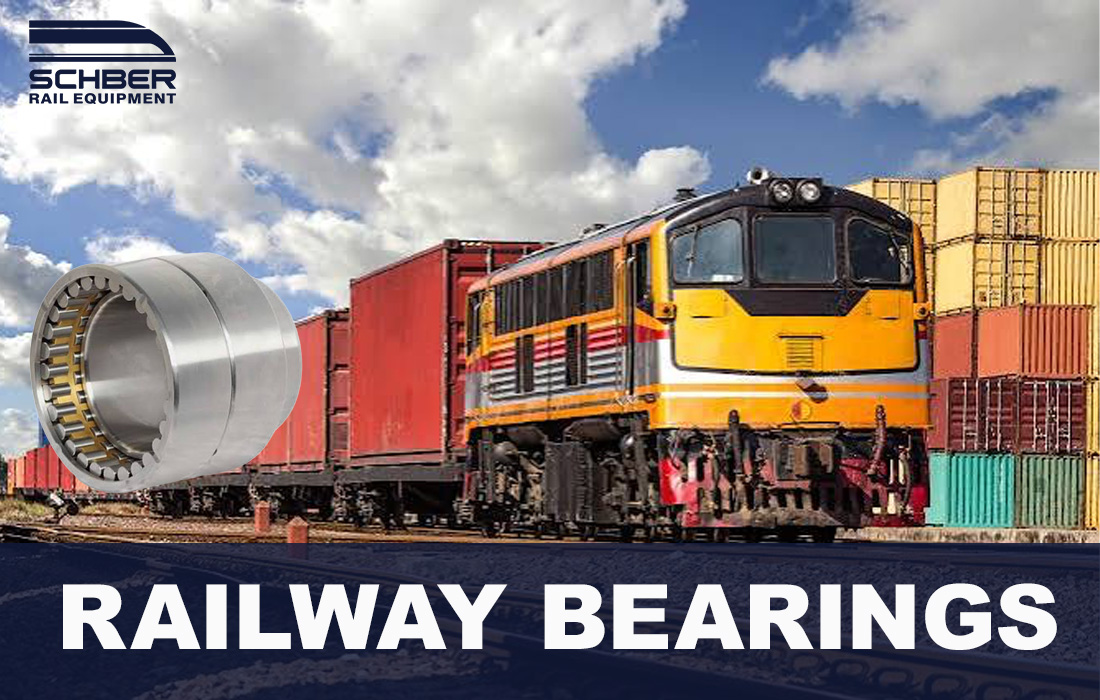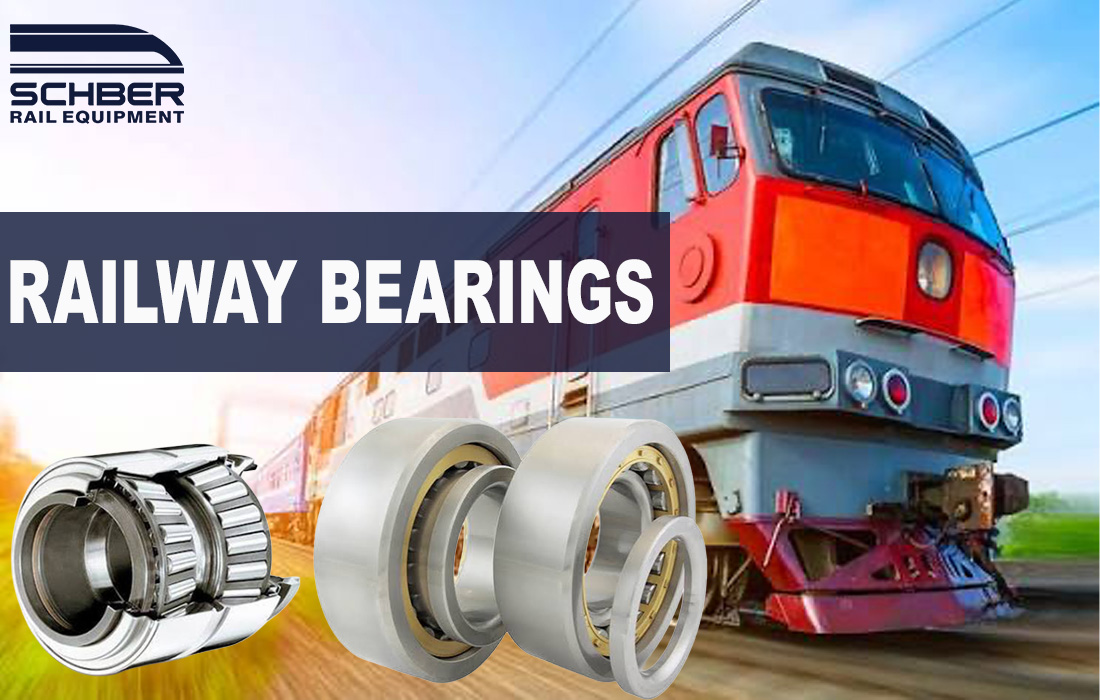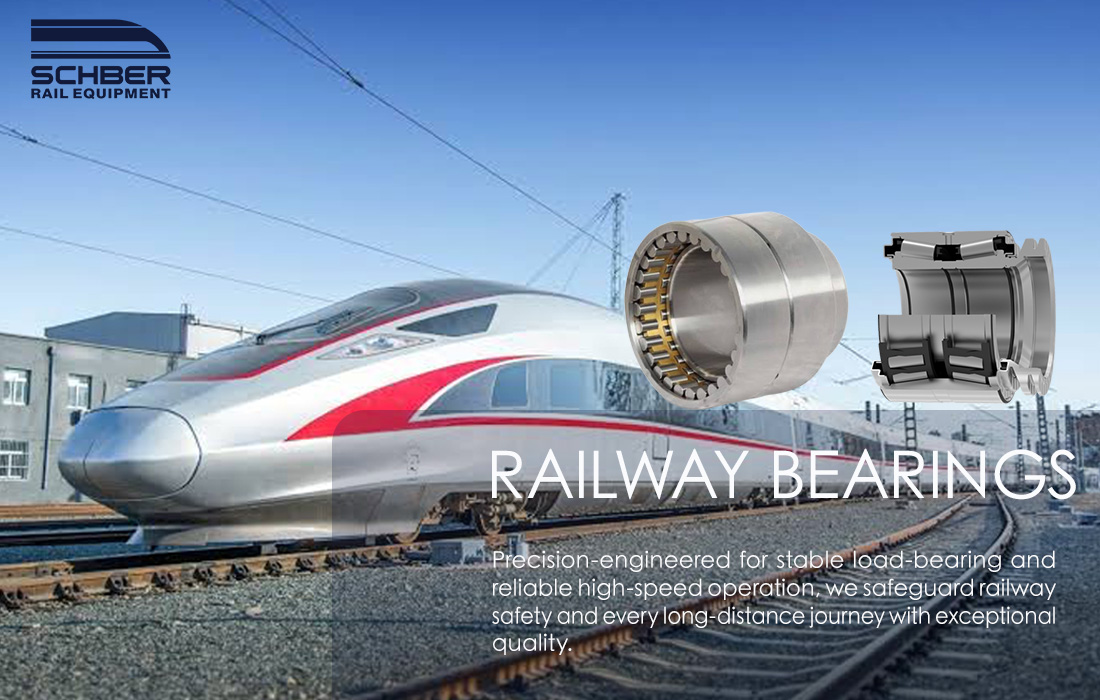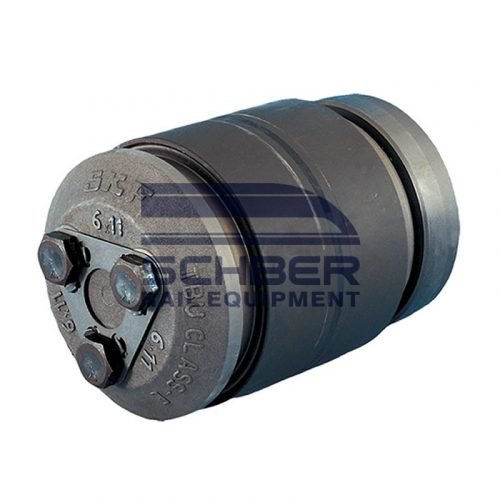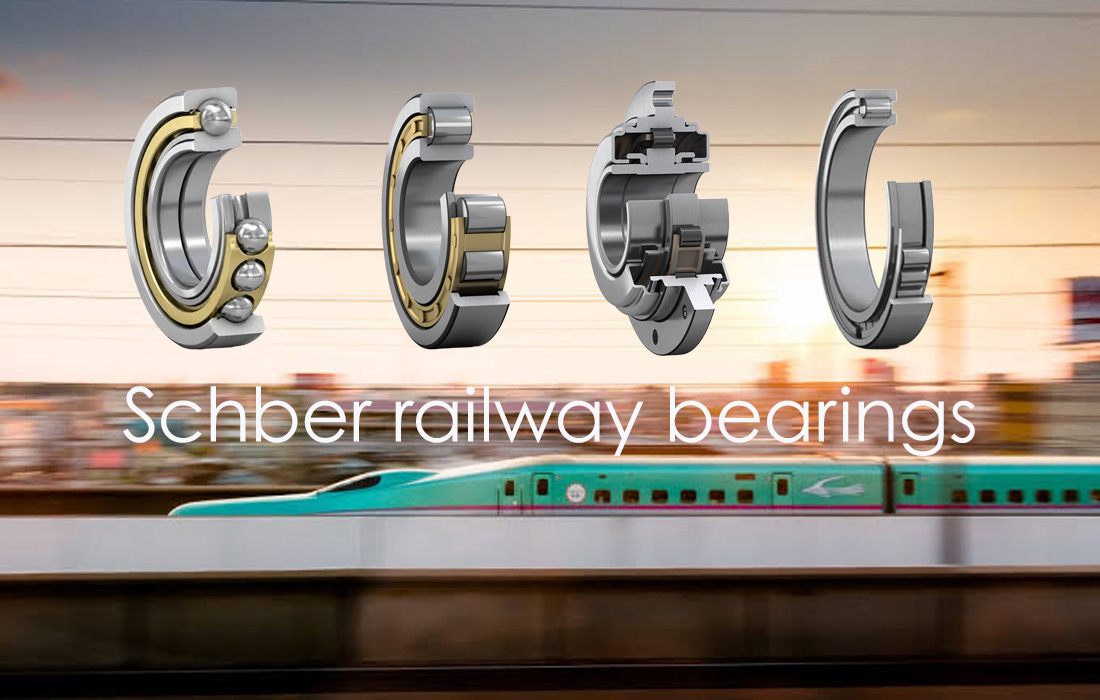
Railway vehicles operate in complex environments. High-speed trains require stable operation, while freight trains must withstand significant axle loads. Significant impact loads also occur when vehicles traverse switches, curves, and track joints.
Railway bearings must simultaneously handle high speeds, heavy loads, and impacts. Effective bearing design enhances operational stability, while high-quality materials and precision manufacturing extend service life.
What are the requirements for railway bearings during high-speed operation?
High-speed operation increases the rotational speed of the bearings, generating more internal friction and heat.Consequently, manufacturers must optimize the internal structure of the bearings. Bearings must maintain high rotational precision, ensuring stable contact between the rolling elements and the raceways.
Lubrication is also critical; the right grease reduces friction and temperature rise. Manufacturers select lubrication strategies based on operating speeds.Sealing structures must also remain stable, effectively preventing dust and moisture from entering the bearing.
How do railway bearings withstand heavy loads?
Heavily loaded railway vehicles generate substantial radial loads; freight trains, in particular, require bearings with high load-carrying capacity.Manufacturers design bearings based on axle loads and operating conditions, ensuring that bearing rings and rolling elements possess sufficient strength.
High-quality bearing steel offers excellent fatigue resistance, and proper heat treatment processes further enhance material properties.Internal structural design also influences load-carrying capacity; the number, size, and arrangement of rolling elements must meet specific design requirements.
How do railway bearings handle impact loads?
Railway tracks are not always perfectly smooth. Bearings may experience instantaneous impacts when vehicles pass over switches, curves, and track joints.Impact loads increase contact stress between rolling elements and raceways; therefore, bearings require robust impact resistance.
Manufacturers must select appropriate materials and structural designs while strictly controlling manufacturing precision.Proper bearing clearance is also essential, as it allows the bearing to accommodate fluctuations in temperature and load during operation.
Materials determine bearing load-carrying capacity.Railway bearings are subjected to cyclic loading over long periods, making material fatigue resistance a direct factor in product lifespan.High-quality bearing steel provides the necessary strength and wear resistance. Manufacturers must also control the purity of the steel.
Heat treatment improves the hardness of the bearing rings and rolling elements. A stable heat treatment process enhances the bearing’s long-term operational capability.Therefore, overseas buyers should pay close attention to the material sources and production processes of railway bearings.
Precision manufacturing improves operational stability
High-speed railway bearings require high machining precision. Dimensions of the rings and rolling elements, as well as raceway precision, all affect bearing operation.
Insufficient machining precision can lead to increased vibration and noise, and may accelerate wear during long-term operation.Specialized manufacturers must utilize precision grinding and inspection equipment, and conduct rigorous dimensional checks during production.Consistent machining quality ensures the bearing maintains excellent rotational performance.
Lubrication and sealing protect the bearing
Lubrication reduces internal friction and helps control operating temperatures.Railway vehicles operate in environments ranging from high and low temperatures to high humidity; thus, manufacturers must select greases suited to actual operating conditions.
Sealing designs must also meet railway operational requirements. Effective seals prevent dust, moisture, and other contaminants from entering the bearing.
How to select railway bearings for high-speed, heavy-load applications?
Overseas buyers should first determine the vehicle type and operational parameters. Factors such as axle load, speed, operating temperature, and track conditions influence bearing selection.Buyers should also familiarize themselves with bearing materials, internal structures, and lubrication strategies.
Furthermore, it is advisable to choose manufacturers with experience in producing railway bearings. Specialized suppliers can provide technical solutions tailored to specific operating conditions.
Conclusion
Railway bearings must withstand high speeds, heavy loads, and impact loads simultaneously. Performance is influenced by materials, structure, machining precision, lubrication, and sealing.
Specialized manufacturers must control every stage of production, from design to inspection. Overseas buyers should select products appropriate for their specific operating conditions.High-quality railway bearings enhance vehicle operational stability and help reduce long-term maintenance costs.