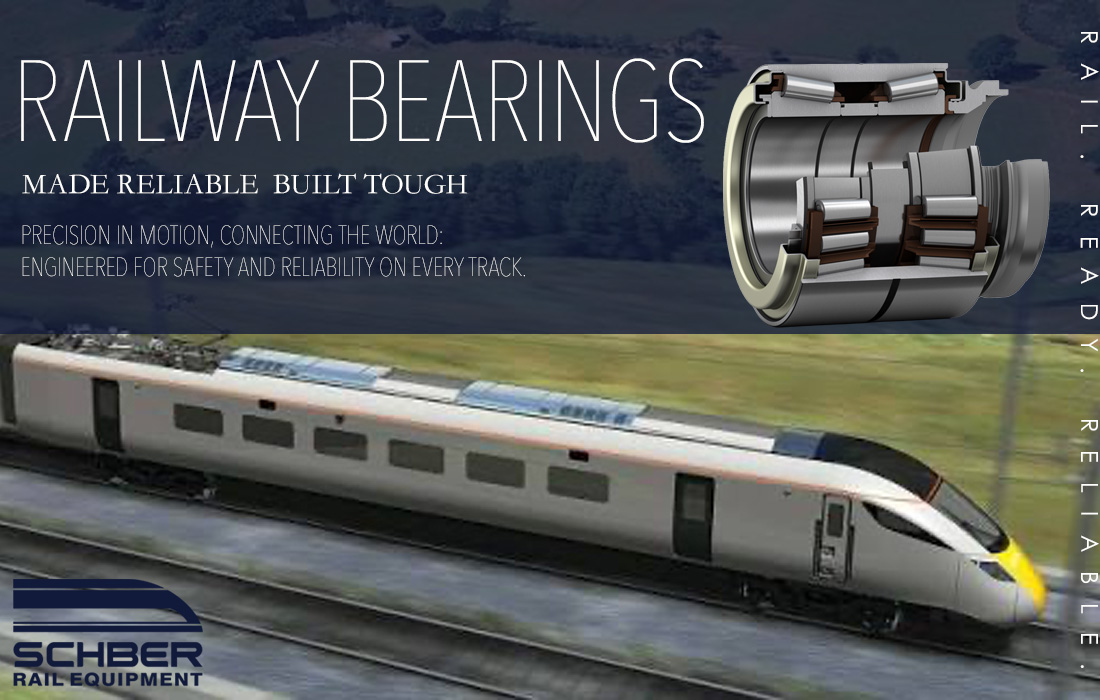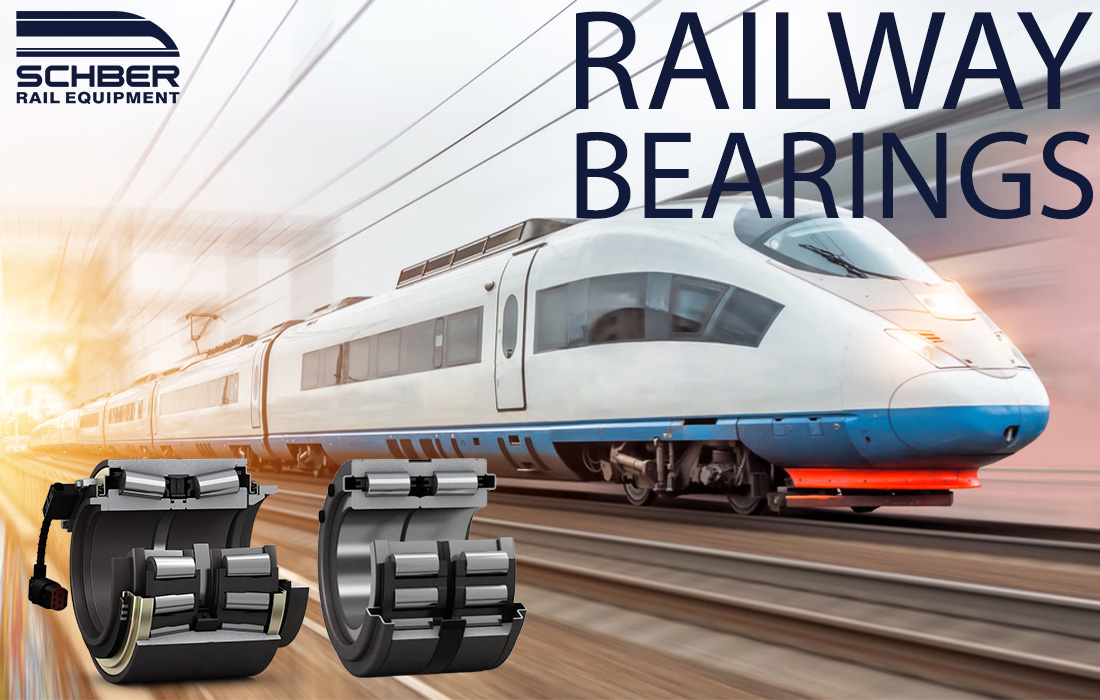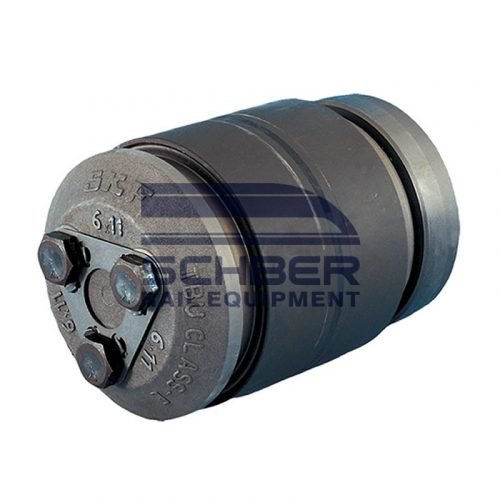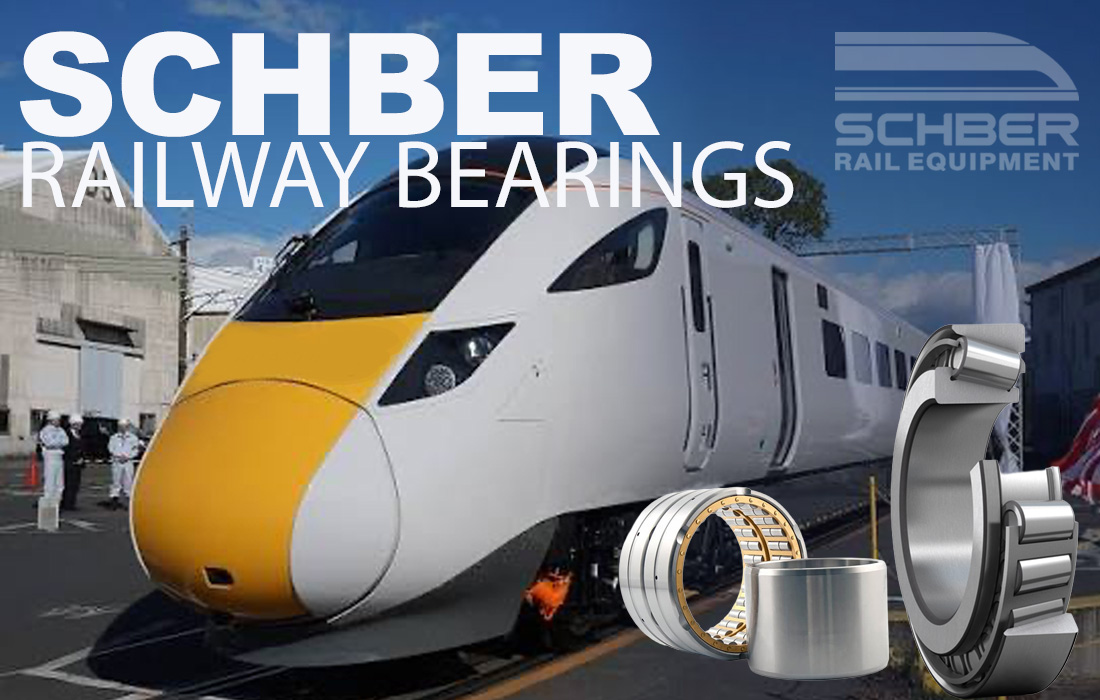
High-speed train axle-box bearings are installed between the axle and the axle box. They primarily support the rotation of the wheelset and axle while helping to maintain the vehicle’s operational stability. Given the high speeds at which these trains operate and the need for sustained stability, the bearings must be capable of withstanding conditions such as high rotational speeds, vibrations, and complex loads.
As vital components of the running gear system, these bearings directly influence wheelset rotation and vehicle stability. Bearing configurations vary depending on the specific train model and bogie design; therefore, procurement and selection must be based on actual equipment specifications.
Primary Functions of High-Speed Train Axle-Box Bearings
High-speed train wheelsets make direct contact with the rails. The axle connects the left and right wheels and bears significant operational loads. Axle-box bearings support axle rotation while minimizing friction during operation.
Vehicles are subjected to radial loads during operation, as well as dynamic loads from various directions during acceleration, braking, and cornering. Bearings must feature a design suited to these specific operating conditions.
Beyond load-bearing, the bearings must ensure stable rotation. Factors such as dimensional accuracy, internal clearance, and lubrication conditions significantly impact operational performance.
Operational Characteristics of High-Speed Train Axle-Box Bearings
High-speed trains differ from conventional railway vehicles. High-speed operation increases the rotational speed of axles and bearings, thereby raising the requirements for bearing precision and lubrication performance.
Bearings generate heat during operation; higher rotational speeds necessitate stricter control of temperature rise. An appropriate lubrication strategy helps reduce friction and maintain normal operating temperatures.
High-speed trains are also subject to continuous vibration. Factors such as track conditions, train speed, and bogie design influence the bearing’s operating environment, requiring the bearings to possess excellent stability and durability.
Common Configurations of High-Speed Train Axle-Box Bearings
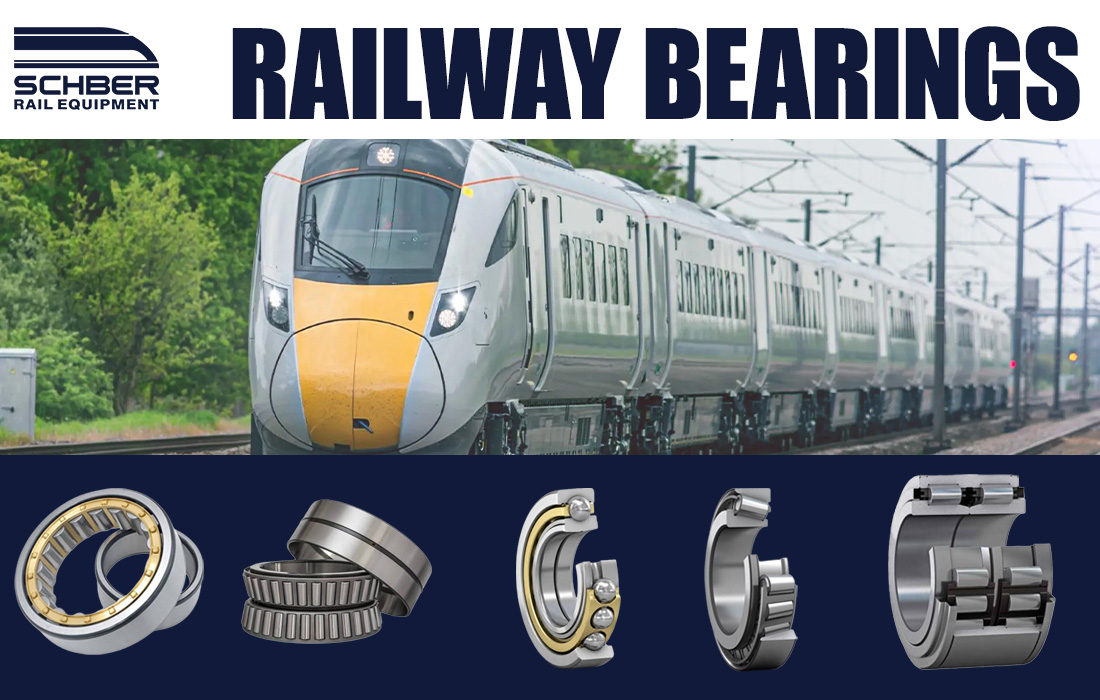
Bearing configurations are selected based on the specific train model and axle-box design. Cylindrical roller bearings offer high radial load-bearing capacity and are widely used in railway vehicles.
Tapered roller bearings can accommodate both radial and axial loads simultaneously; certain railway vehicles utilize this type of bearing depending on their specific structural design.
Additionally, some vehicles employ double-row bearings or other specialized configurations. When selecting bearings, one cannot rely solely on the product name; it is essential to verify the shaft diameter, load, speed, mounting method, and axle box structure.
Lubrication of High-Speed Train Axle Box Bearings
Lubrication is a critical factor in bearing operation. Appropriate grease reduces friction and wear while helping to control temperature rise.
Selecting the right lubrication strategy for high-speed train axle box bearings requires considering operating speed, working temperature, and bearing structure. The type of grease and the fill quantity must also be carefully controlled.
Maintenance personnel must regularly monitor bearing temperature and operating status. If abnormalities in temperature, vibration, or noise occur, the relevant components require immediate inspection.
High-Speed Train Axle Box Bearings and Condition Monitoring
High-speed rail operations are placing increasing emphasis on bearing condition monitoring. Data on temperature and vibration helps staff understand the bearing’s operating condition.
When a bearing malfunctions, relevant data often changes. Timely analysis of this information allows maintenance personnel to detect potential issues early.Condition monitoring also enables railway operators to optimize maintenance schedules, reducing unnecessary disassembly and inspection while improving vehicle maintenance efficiency.
How to Select High-Speed Train Axle Box Bearings?
When purchasing high-speed train axle box bearings, first confirm the vehicle model and bogie model. Then, verify key specifications such as the bearing model, inner diameter, outer diameter, and width.
Factors such as operating speed, load, working temperature, and lubrication method must also be considered. If a customer cannot confirm the specific model, they can provide the original bearing part number, product photos, dimensions, or equipment details.
Bearing configurations vary across different high-speed train models. Therefore, suppliers should verify the product based on the specific application rather than simply recommending a product based on the generic term “high-speed train axle box bearing.”
We supply bearings for railway and high-speed rail applications. For specific axle box bearing requirements, we consult with customers using the provided model numbers, dimensions, and equipment details to offer suitable product options for overseas clients.