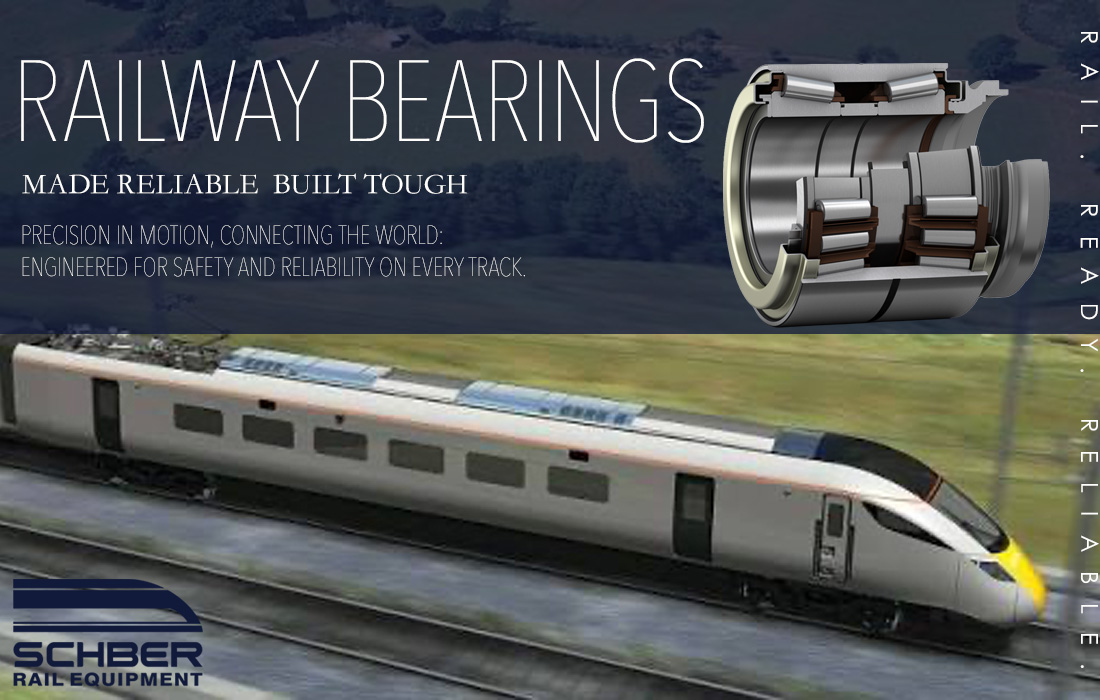
High-speed train vehicles incorporate multiple high-speed rotating systems, with bearings serving as critical foundational components within them. Since different locations perform distinct functions, the bearings used must be matched to specific operating conditions.
High-speed trains operate at high velocities and undergo cycles of starting, accelerating, braking, and sustained running. Consequently, bearings must withstand high-speed rotation, vibration, temperature fluctuations, and complex loading conditions.Understanding bearing applications in various locations facilitates equipment procurement, maintenance, and product selection.
1. Wheelset and Axle Box Bearings
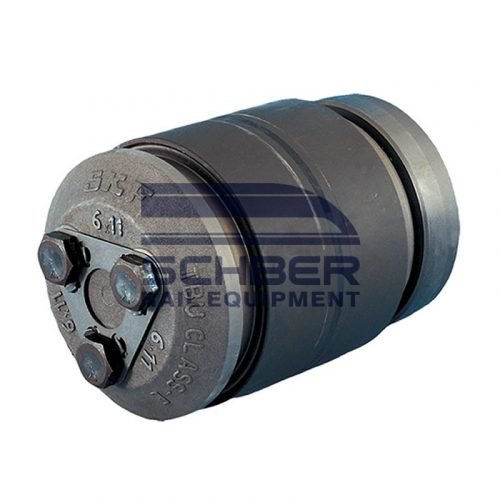
Wheelsets make direct contact with the tracks. Axle box bearings support the axle and ensure the wheelset maintains stable rotation.These bearings must support radial loads generated by the vehicle’s weight while also withstanding axial forces and impacts encountered during operation.
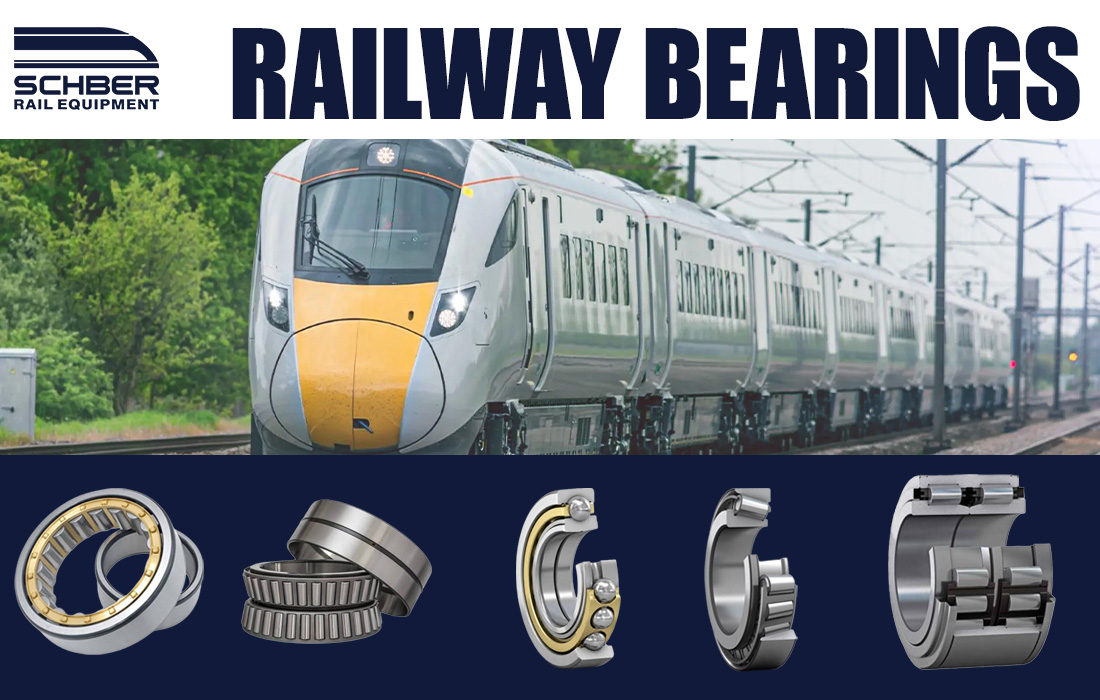
Both cylindrical roller bearings and tapered roller bearings are used in railway vehicles; the specific configuration depends on the vehicle design and axle box structure.
High-speed operation places stringent demands on bearing precision, lubrication, and temperature control. Axle box bearings also require effective sealing to minimize the ingress of contaminants.
2. Traction Motor Bearings
Traction motors provide the power for high-speed trains. Bearings are required to support the motor rotor and maintain stable, high-speed rotation.Traction motor bearings generally need to accommodate high rotational speeds and withstand both radial and axial loads.
High-speed operation increases the requirements for lubrication and temperature rise control. Additionally, electric currents within the motor can lead to bearing damage caused by electrical erosion.Therefore, insulated bearings or other electrical protection measures are often considered for traction motor applications.
3. Gearbox Bearings
Power generated by the traction motor is transmitted through the gearbox, which contains various gears and rotating shafts.Gearbox bearings primarily support the gear shafts. As gear meshing generates both radial and axial forces, bearing selection must account for the direction of these loads.
Types such as cylindrical roller bearings and tapered roller bearings are commonly used in gearboxes.High-speed train gearboxes require sustained, high-speed operation; factors such as bearing precision, lubrication, and installation quality directly impact the operational stability of the gearbox.
4. Cooling Fan Bearings
High-speed trains utilize extensive electrical and power equipment, all of which generate heat during operation.Cooling fans dissipate this heat, while their bearings support the fan shafts.
These fans typically operate at high speeds, with some requiring continuous, long-term operation. Consequently, factors such as rotational speed, temperature, vibration, and lubrication conditions are critical for the bearings.Different fan configurations require specific bearing solutions; selection should be based on the specific model and equipment parameters.
5. Air Compressor Bearings
Air compressors on high-speed trains supply compressed air for braking, door operation, and other systems.Bearings are required to support the rotating components within these compressors, accommodating their specific rotational speeds, loads, and operating temperatures.
Lubrication is also vital; prolonged exposure to high loads or inadequate lubrication can lead to temperature spikes and accelerated wear.Therefore, maintenance personnel must monitor bearing conditions using operational data.
6. Auxiliary Motor Bearings
High-speed trains employ numerous auxiliary motors to drive fans, water pumps, and other ancillary equipment.Bearing selection for these motors depends on factors such as rotational speed, load, and mounting configuration.
Operating conditions vary significantly across different types of auxiliary equipment; consequently, the specific bearing models required may differ even among auxiliary motors.
Increasing Emphasis on Condition Monitoring for High-Speed Train Bearings
As high-speed rail technology advances, bearing condition monitoring has become increasingly important.Parameters such as temperature, vibration, and noise reflect the bearing’s operating status, allowing maintenance personnel to detect potential anomalies.
Condition monitoring facilitates early problem detection and helps railway operators optimize their maintenance schedules.For overseas buyers, selecting bearings for high-speed trains requires looking beyond price and dimensions; equipment models, bearing locations, operating speeds, and actual working conditions are equally important.
We supply bearings designed for railway and high-speed rail applications. We work closely with clients—using the model numbers, dimensions, and equipment specifications they provide—to identify the most suitable products for their specific needs.