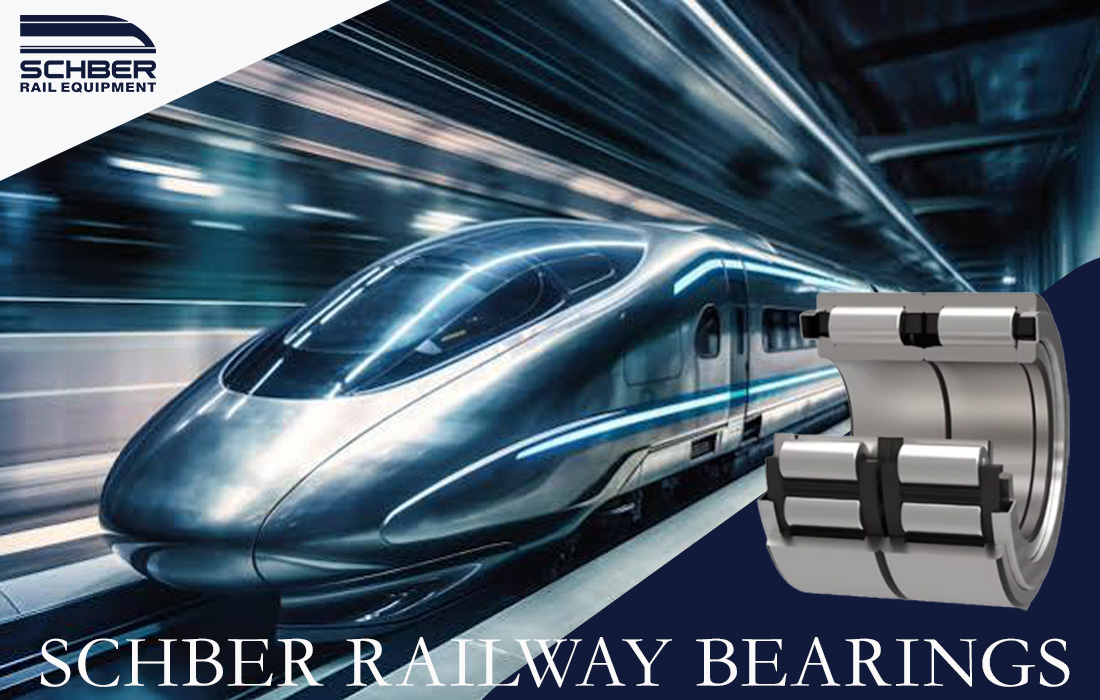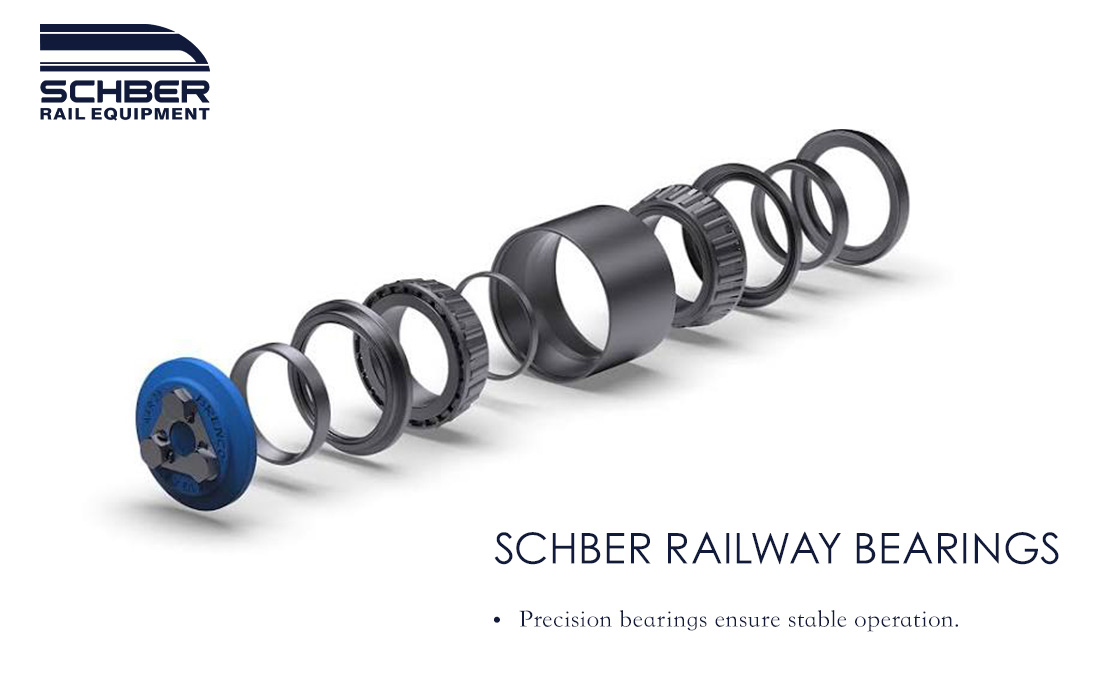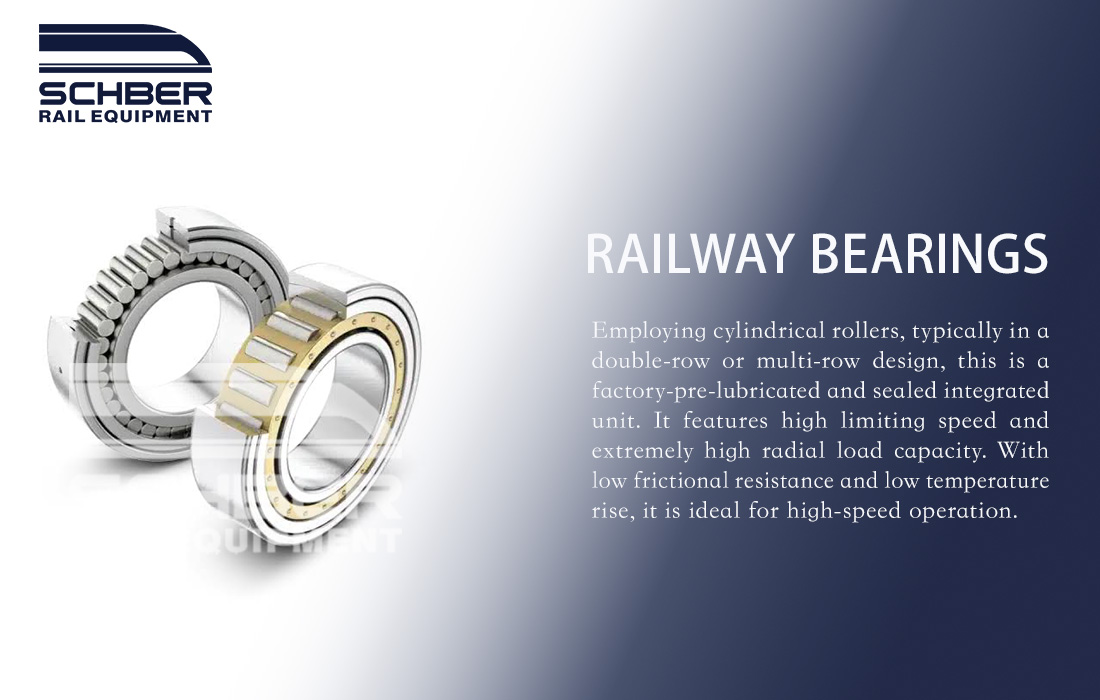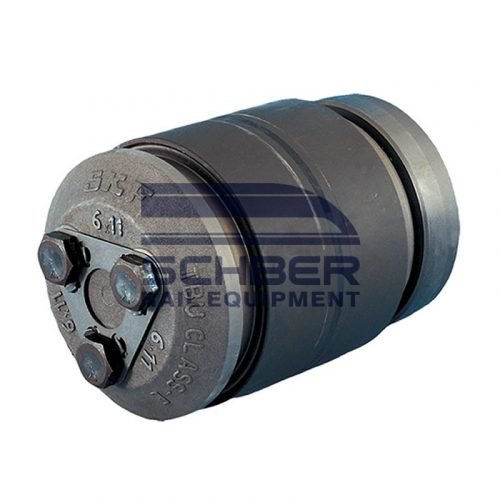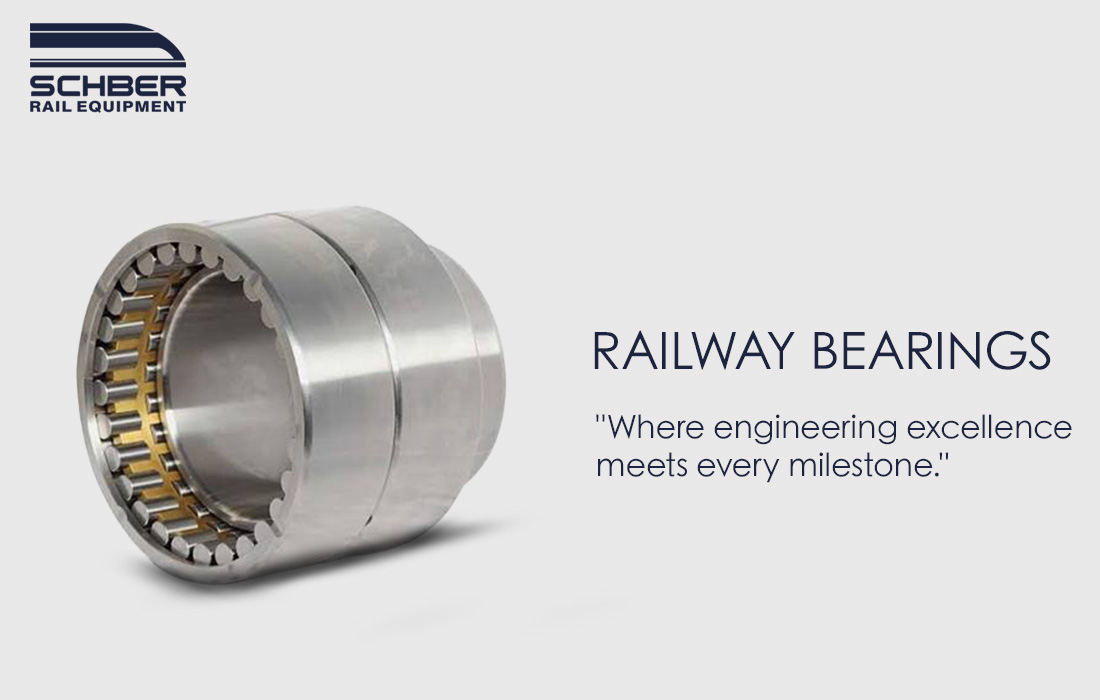
High-speed rail continues to evolve, with train operating speeds steadily increasing. Consequently, railway bearings face increasingly rigorous performance demands. These bearings connect critical components—such as wheels, axle boxes, and bogies—and ensure the train’s stable operation. High-quality railway bearings reduce friction and lower energy consumption during operation.
Key Functions of Railway Bearings
During high-speed train operation, axles rotate continuously at high speeds. Railway bearings must withstand significant radial and axial loads while also accommodating the temperature rise generated by high-speed rotation.In high-speed trains, bearings are primarily installed in locations such as axle boxes. They support the axle and stabilize rotating components. High-quality bearings minimize friction and vibration, contributing to smooth train operation.
Sealing performance is also crucial. Effective sealing structures prevent dust, moisture, and impurities from entering the bearing, thereby extending its service life. Manufacturers must select appropriate materials and lubrication solutions tailored to specific operating environments.
Requirements for High-Speed Train Bearings
High-speed rail imposes stringent requirements on bearings. First, bearings must exhibit excellent high-speed performance. Higher train speeds generate more heat; therefore, bearings must maintain stable temperature control.Second, bearings require high load-bearing capacity. Continuous operation of high-speed trains generates sustained loads; bearings must withstand these forces while ensuring reliable performance.Furthermore, railway bearings require excellent wear resistance. High-quality materials reduce wear, while precision machining enhances operational accuracy.Lubrication systems also influence bearing performance. Suitable grease reduces friction, heat generation, and wear. Railway operators typically select lubrication products based on speed, load, and ambient temperature.
Manufacturing Technology for Railway Bearings
Modern railway bearings demand high manufacturing precision. Bearing rings must maintain strict dimensional accuracy, and rolling elements require superior surface quality.Heat treatment enhances material hardness and wear resistance, while precision grinding improves surface quality. Assembly processes directly impact the bearing’s rotational accuracy.
Manufacturers also conduct rigorous testing. Common inspection procedures include dimensional checks, noise and vibration analysis, and service life testing. These tests help enterprises control product quality.
International Trade Applications for Railway Bearings
With the continued expansion of global high-speed rail infrastructure, there is significant international demand for railway bearings. China, Europe, and other parts of Asia all possess mature railway industry supply chains.International clients typically focus on bearing quality, technical specifications, delivery lead times, and after-sales service. Suppliers must provide clear product specifications. Product documentation should include bearing models, dimensions, materials, precision grades, and applicable operating conditions.
For export markets, suppliers must also prioritize product packaging and shipping. Proper packaging minimizes the risk of impact damage and contamination during transit. Reliable supply capabilities are also essential for building long-term partnerships.
Conclusion
Railway bearings are critical components of high-speed trains. They directly influence operational stability, energy consumption, and maintenance costs. As high-speed rail technology advances, market demand for high-precision, highly reliable bearings will continue to grow.
Selecting the right railway bearings ensures more stable train operation. Understanding bearing performance and application requirements helps railway equipment manufacturers and international buyers select the most suitable products.