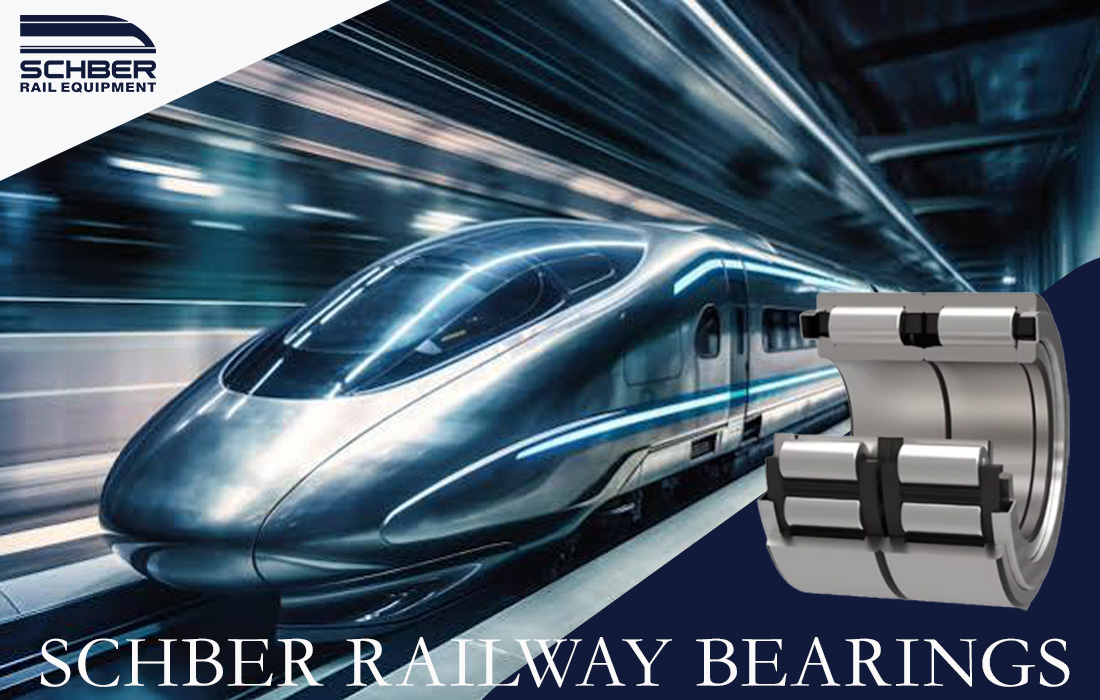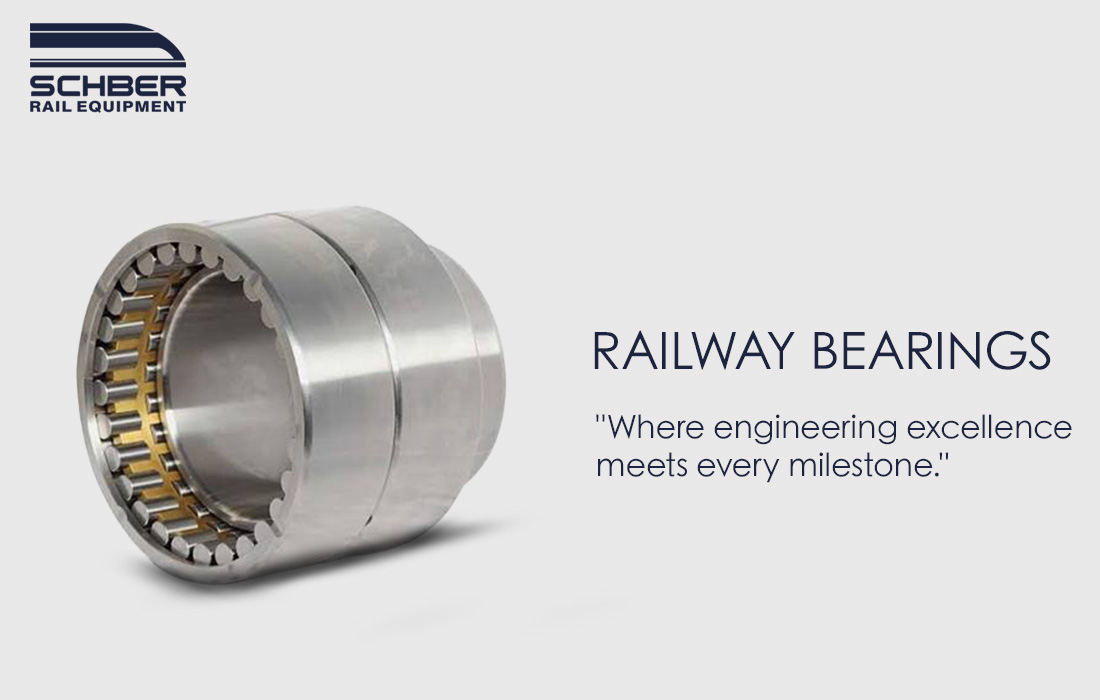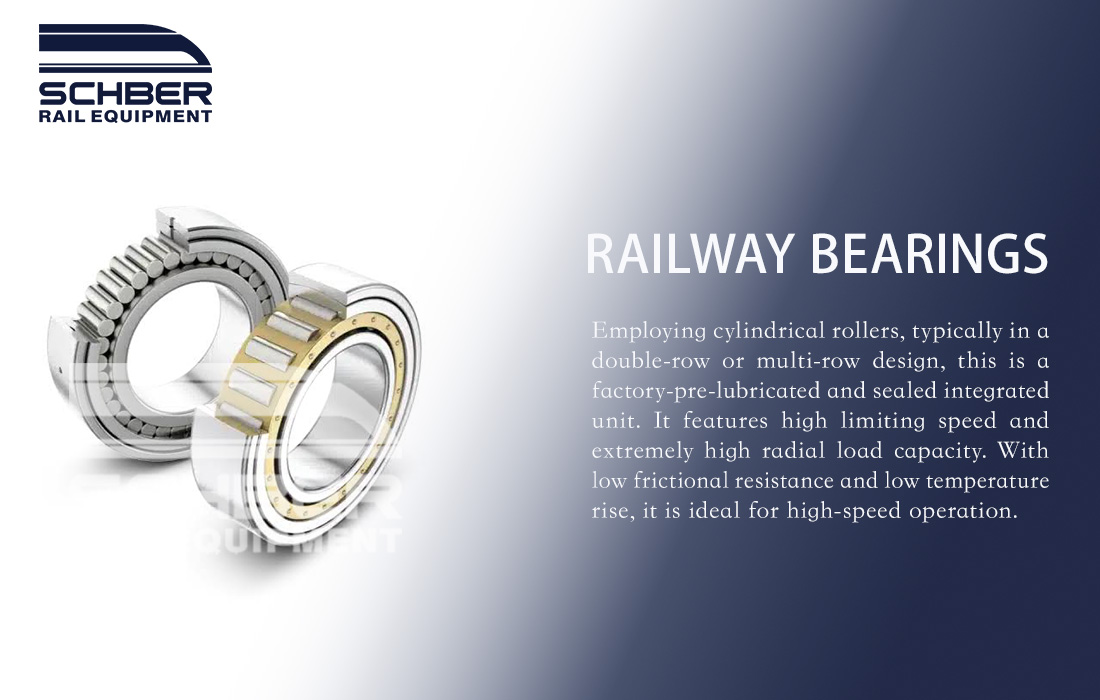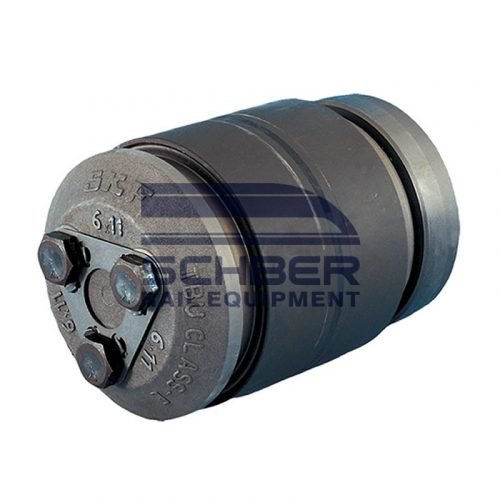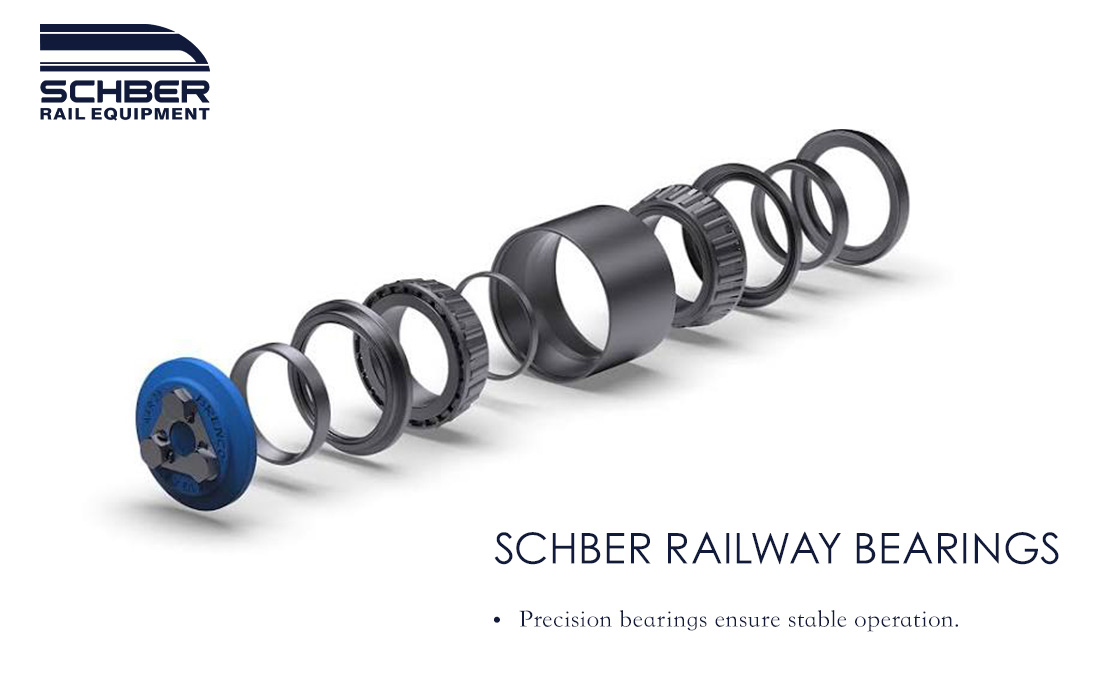
The bogie of an electric multiple unit (EMU) is a critical component of the train’s running system; it supports the weight of the car body and connects the wheels to the body. Railway bearings play a vital role in this assembly by supporting the axle and associated rotating parts. High-quality bearings also reduce friction and enhance the operational stability of the EMU.
Primary Functions of Railway Bearings in Bogies
During EMU operation, wheels and axles rotate continuously at high speeds. Railway bearings must withstand significant radial loads as well as certain axial loads.Bearings ensure the axle rotates stably while minimizing friction and vibration. This reduces running resistance and component wear.Bearings generate heat during high-speed operation; therefore, they require excellent high-speed performance and heat dissipation capabilities. Proper lubrication strategies also help maintain stable bearing operation.
Requirements for EMU Bogie Bearings
EMUs are characterized by high operating speeds and long service durations, necessitating high reliability in their railway bearings.
First, bearings must possess high load-bearing capacity. During operation, the bogie—and consequently the bearings—must continuously withstand the loads imposed by the car body and passengers.Second, bearings require excellent wear resistance. High-quality materials minimize wear over long periods of operation, while precision manufacturing processes extend the bearing’s service life.Sealing performance is equally important. Bogies are exposed to dust, moisture, and other contaminants during operation; effective sealing structures prevent impurities from entering the bearing, thereby protecting the rolling elements and raceways.
Manufacturing and Quality Control of Railway Bearings
EMU bearings demand high manufacturing precision. Bearing rings must maintain stable dimensional accuracy, and rolling elements (rollers or balls) require superior surface quality.Manufacturers typically employ heat treatment processes to enhance material properties and precision grinding to improve surface quality. Strict assembly procedures further ensure rotational accuracy.Quality inspection is a crucial stage in production. Manufacturers assess parameters such as dimensions, rotational accuracy, vibration, and noise levels. Life-cycle testing also helps evaluate product performance.
Lubrication and Maintenance of Railway Bearings
Proper lubrication reduces bearing friction. It also lowers operating temperatures and reduces wear. Manufacturers of electric multiple units (EMUs) must select the appropriate grease based on operating speeds, loads, and environmental conditions.Routine maintenance is equally important. Personnel can regularly monitor bearing temperatures and operating conditions. Abnormal noise, rising temperatures, or changes in vibration may indicate potential bearing issues.Timely inspections reduce the risk of failure. Proper maintenance extends bearing service life and lowers EMU maintenance costs.
International Market Demand for Railway Bearings
Global railway transportation continues to grow, with an increasing number of EMU and high-speed rail projects. This drives international demand for railway bearings.Overseas buyers typically focus on product quality, technical specifications, and delivery capabilities. Suppliers must provide comprehensive product documentation, including bearing models, dimensions, materials, precision grades, and application ranges.Suppliers must also prioritize export packaging and transportation. Proper packaging minimizes damage during transit, while reliable supply capabilities help establish long-term partnerships.
Conclusion
Railway bearings play a critical role in EMU bogies, directly influencing axle rotation, operational stability, and maintenance costs.As EMU technology advances, market demand for high-precision, high-reliability railway bearings will rise. Specialized manufacturers must continuously optimize materials, production processes, and quality control to provide reliable products to global railway customers.