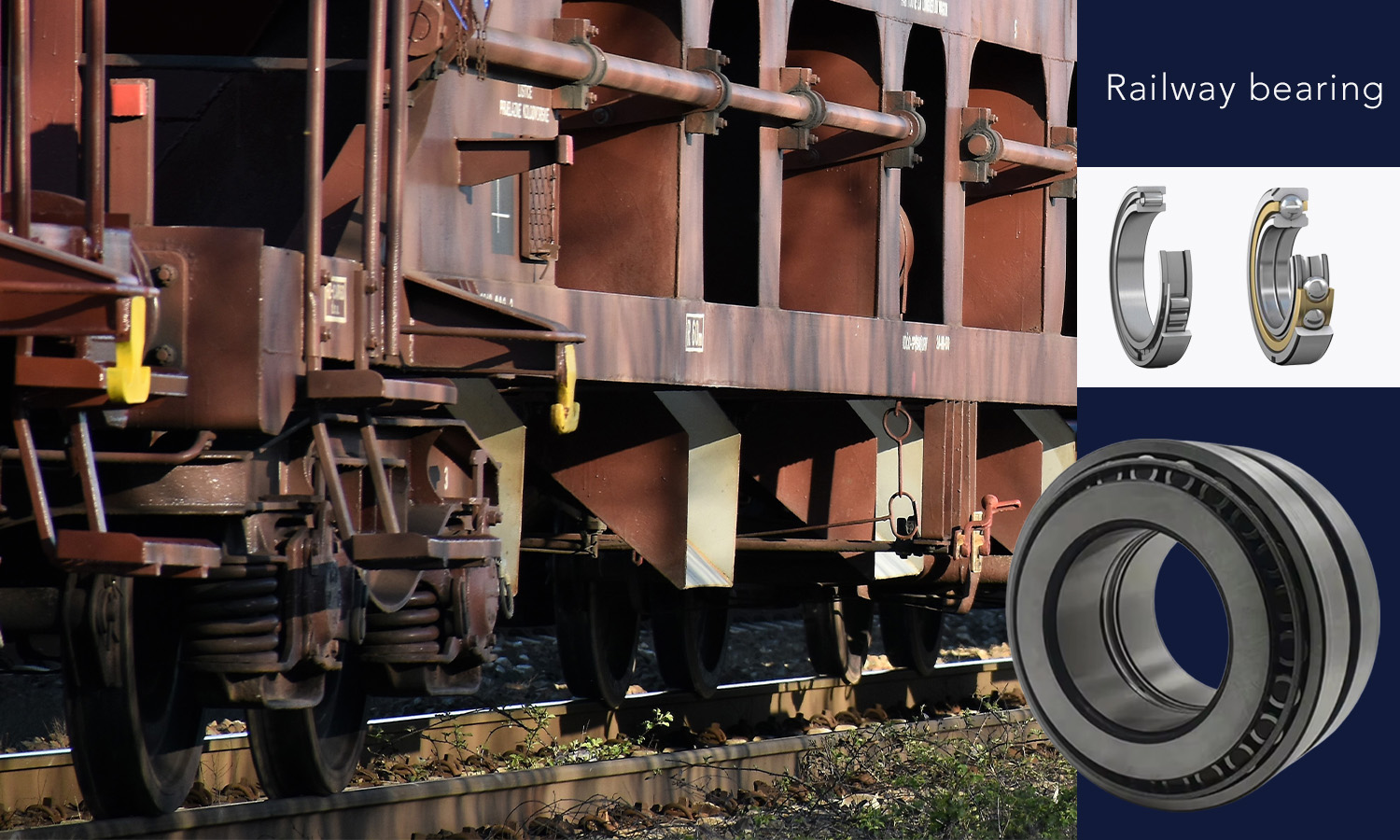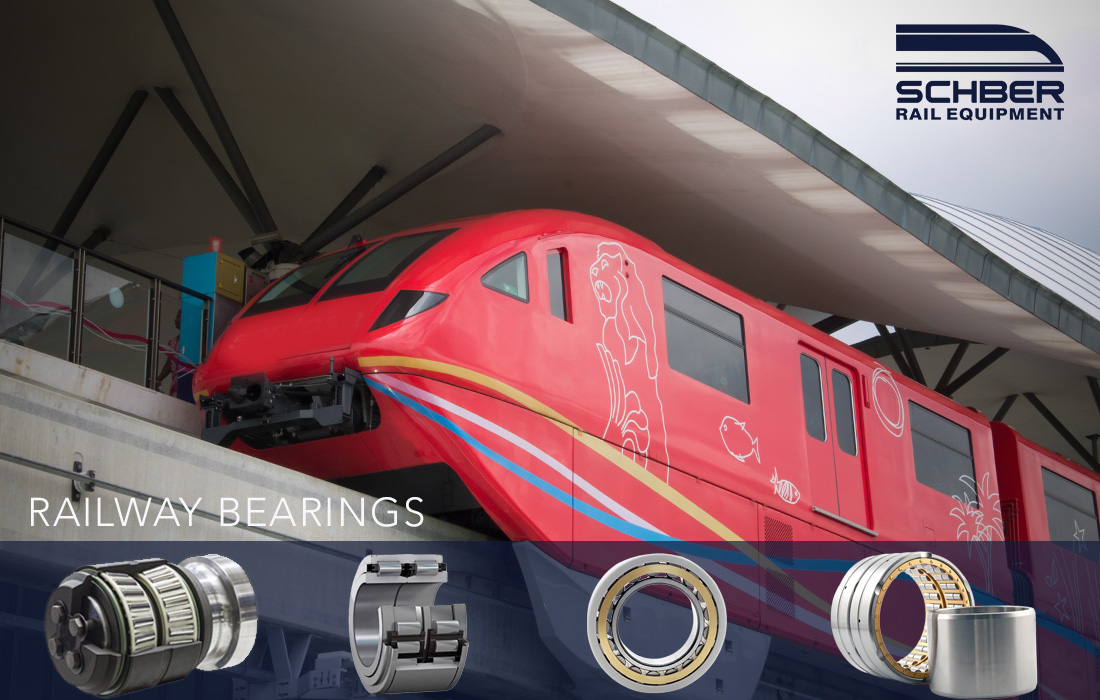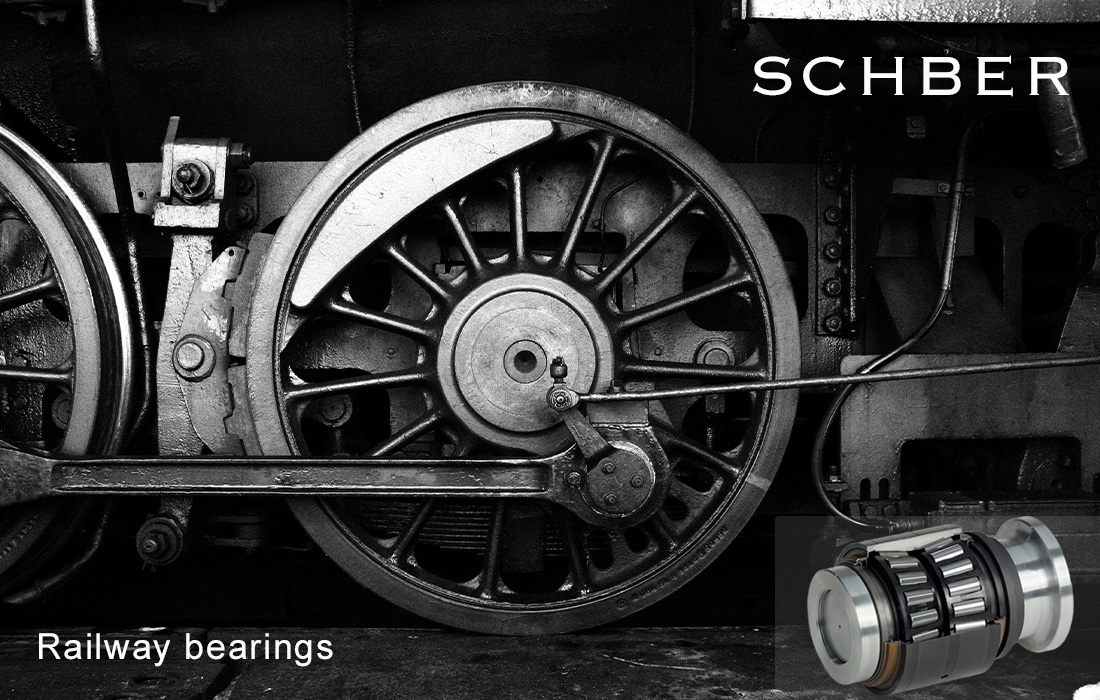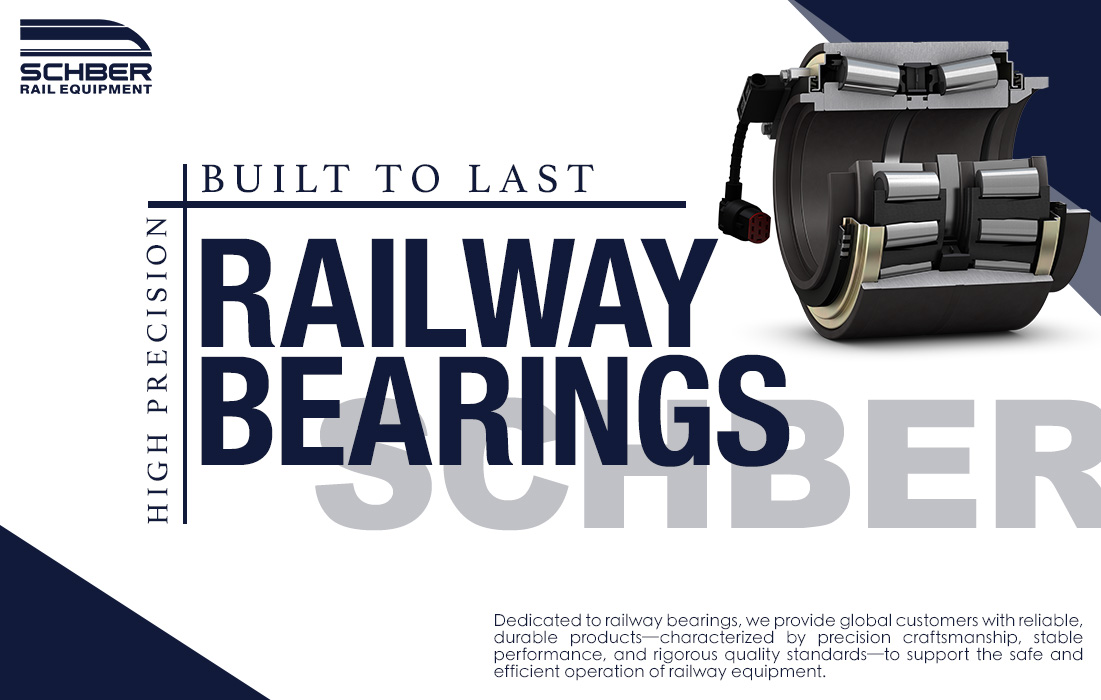
Railway vehicles rely on stable air systems. Air compressors supply compressed air for braking, doors, suspension, and other auxiliary equipment, while bearings support the internal rotating shafts of these compressors.
Although air compressor bearings are typically small in size, they directly impact the equipment’s operational status. During prolonged operation, bearings must withstand loads resulting from continuous rotation. Factors such as vibration, temperature, and lubrication conditions also influence their performance.
Key Functions of Air Compressor Bearings
During operation, the internal shaft of an air compressor must rotate stably. Bearings reduce friction between the shaft and other components while helping to maintain the shaft’s correct alignment.
Railway vehicles demand high reliability from air compressors. Any malfunction in the compressor can disrupt the compressed air supply; therefore, bearings must remain in good working condition.
Different types of air compressors utilize varying structural designs. Bearing selection must be tailored to the specific equipment, taking into account critical parameters such as shaft diameter, rotational speed, load, temperature, and lubrication method.
Operating Conditions for Railway Air Compressor Bearings
Railway vehicles generate continuous vibration during operation and undergo various operating states, including startup, acceleration, deceleration, and stopping.
These factors affect the air compressor’s operation. Bearings must accommodate fluctuations in rotational speed and withstand mechanical vibration.Some air compressors require continuous, long-term operation, necessitating stable rotational performance from the bearings. Proper lubrication is also crucial.
Inadequate lubrication can increase internal friction, leading to accelerated temperature rise and wear. Consequently, appropriate lubrication and maintenance are vital for air compressor bearings.
Air Compressor Bearings and Railway Safety
Railway air compressors are critical components of auxiliary systems, providing a steady supply of compressed air to the vehicle.Compressed air plays a pivotal role in air brake systems; thus, the reliable operation of the air compressor itself is essential.
While bearings are not the only critical component of an air compressor, their condition directly affects shaft operation. Maintenance personnel must promptly inspect the equipment if abnormal vibration, noise, or temperature rise occurs.Modern railway equipment places increasing emphasis on condition monitoring. Data such as temperature, vibration, and noise levels help personnel assess the operating condition of the equipment.
How to Select Air Compressor Bearings?
Selecting bearings for air compressors requires looking beyond just dimensions; actual operating conditions are equally important.First, identify the air compressor model and the specific bearing installation location. Then, determine the rotational speed, load, and operating temperature.
Lubrication methods are another key consideration, as different air compressors may utilize different lubrication schemes.Additionally, installation precision and bearing fit are crucial; proper installation ensures the bearing maintains optimal operating performance.
For railway equipment maintenance companies, accurately identifying the original bearing model is vital. If the model cannot be directly confirmed, providing bearing dimensions or equipment details allows for further assessment.
Trends in Railway Air Compressor Bearings
Railway equipment is evolving towards higher speeds, greater intelligence, and reduced maintenance requirements. Air compressor designs and operating efficiencies are also being continuously optimized.Bearing technology is likewise focusing on service life, stability, and maintenance costs. Advances in condition monitoring technology are enabling a more proactive approach to railway equipment maintenance.
Future developments in railway air compressor bearings will continue to prioritize low friction, high reliability, and long-term operational capability. At the same time, the integration and compatibility between the bearing and the overall equipment design will become increasingly important.
Railway Bearing Supply and Application
Air compressor bearings represent a specialized segment of railway vehicle bearing applications. Bearings vary depending on the specific rolling stock model and equipment type.
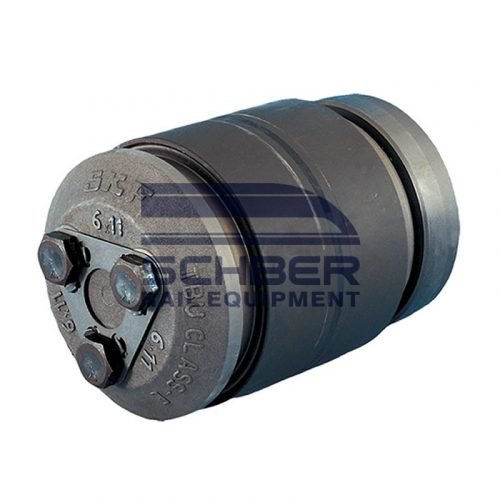
Consequently, suppliers must provide product information tailored to specific models and operating conditions, rather than attempting to use a single bearing type for all equipment.We also supply relevant railway bearing products. For specific applications like air compressor bearings, we consult with clients based on the model, dimensions, and equipment information they provide.For overseas clients, accurate product model, dimension, and application details facilitate efficient communication and minimize errors during the selection process