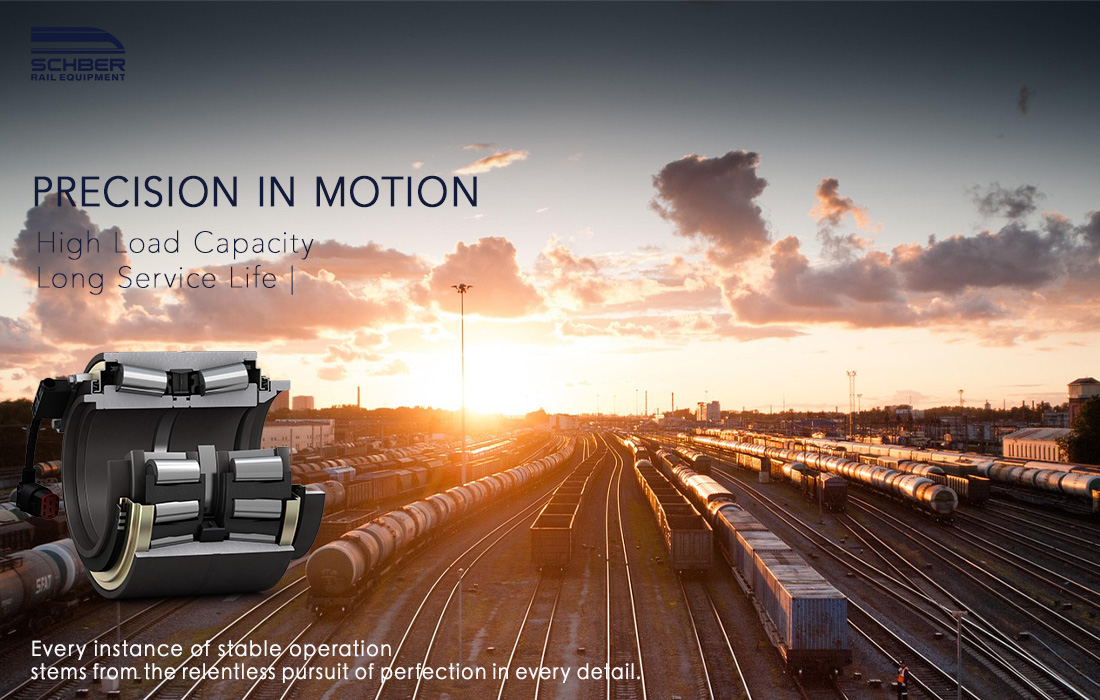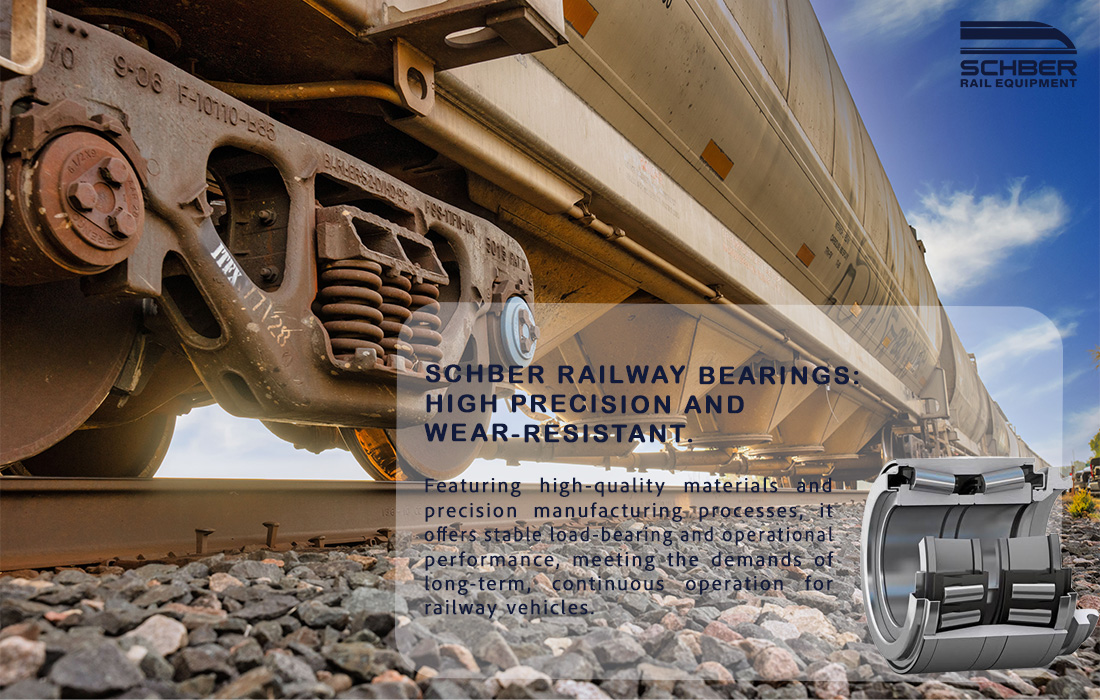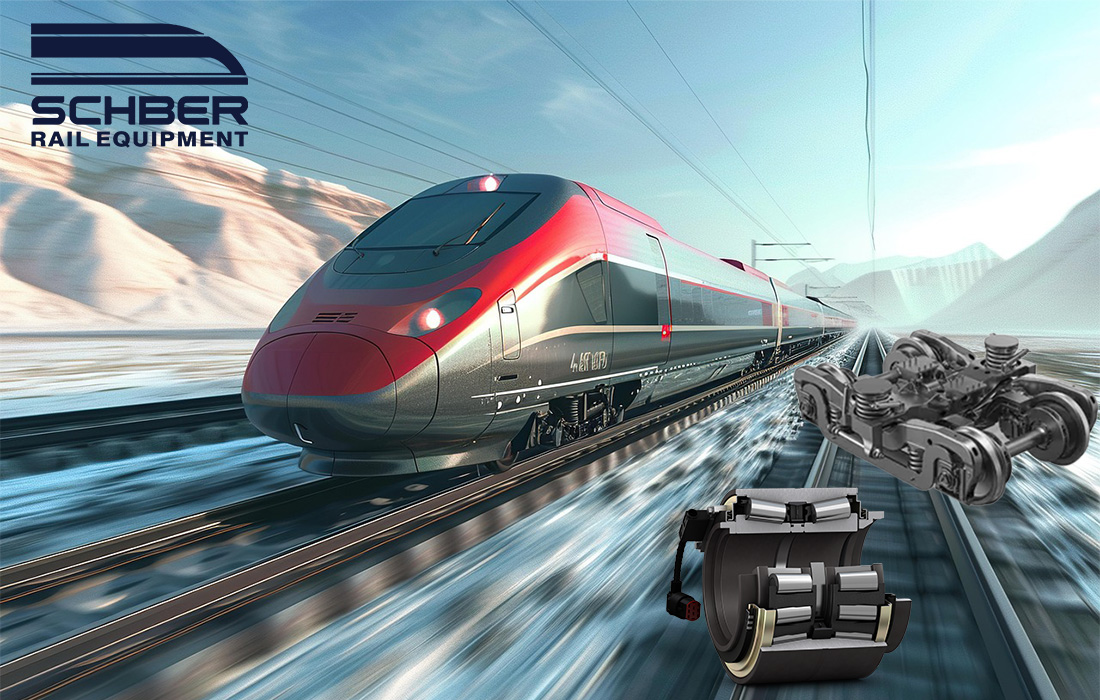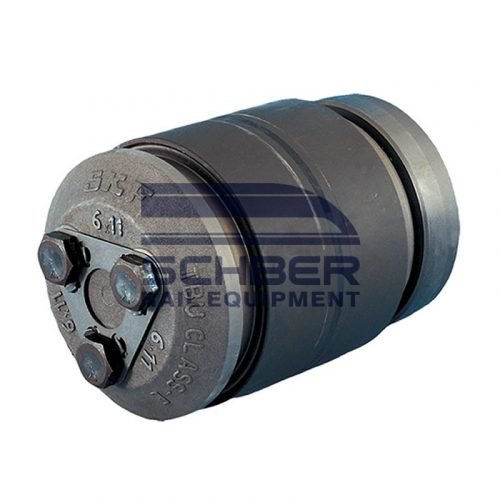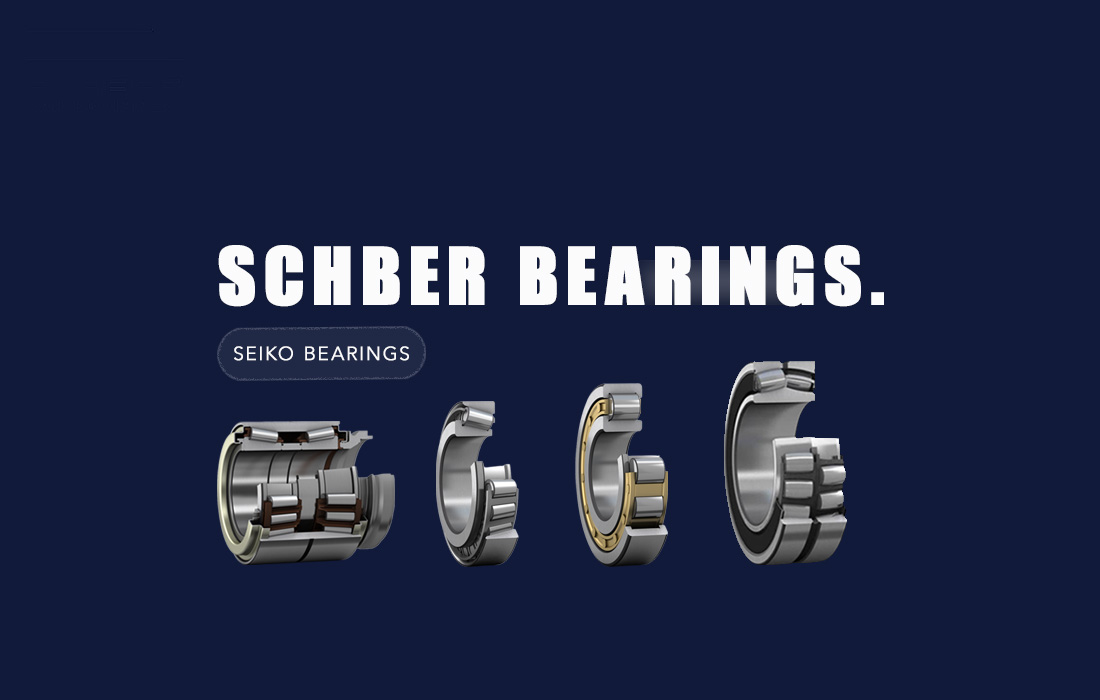
Railway axle box bearing units are critical components of railway vehicle running gear. Installed between the wheelset and the axle box, they primarily bear the radial and axial loads generated during vehicle operation while supporting the smooth rotation of the axle.
These bearing units must withstand demanding long-term operating conditions. Vehicle operation generates vibration and shock, while high-speed trains involve high rotational speeds and significant temperature rises. Consequently, the bearing unit must maintain stable rotational performance.
Railway axle box bearing units typically consist of bearings, seals, lubrication systems, and related components. An optimized structure minimizes friction; effective sealing prevents the ingress of dust and moisture; and proper lubrication helps control operating temperatures.
Applications of Railway Axle Box Bearing Units
Railway axle box bearing units are widely used in passenger coaches, freight wagons, and locomotives. High-speed electric multiple units (EMUs) also require high-performance axle box bearing units.
Within the railway wheelset system, the axle box bearing unit plays a vital supporting role, connecting the axle to the bogie and influencing the vehicle’s operational stability.
Different types of railway vehicles operate under varying conditions. Freight vehicles typically handle heavy loads, whereas high-speed trains place greater emphasis on rotational speed, temperature rise, and vibration. Therefore, the appropriate bearing structure must be selected based on the specific vehicle type.
Characteristics of Railway Axle Box Bearing Units
Railway axle box bearing units possess high load-carrying capacity, meeting the demands of long-term railway vehicle operation. Their stable internal structure reduces friction and vibration.
Sealing performance is another key indicator; effective seals prevent contaminants from entering the bearing and help maintain the integrity of the lubrication environment.
Lubrication also significantly affects bearing performance. Proper lubrication methods reduce friction, help control bearing temperature, and minimize abnormal wear.
Selection of Railway Axle Box Bearing Units
Selecting a railway axle box bearing unit requires first identifying the vehicle type and determining parameters such as axle diameter, load, and operating speed.
Installation space is also a crucial factor; the bearing unit must match the dimensions of the axle and axle box, as different railway vehicles may employ varying mounting configurations.
Operating environment is another key consideration, as factors such as high or low temperatures, rain, dust, and continuous vibration can impact bearing performance. Therefore, factors such as sealing, lubrication, and materials must be comprehensively considered when selecting bearing units.
The right railway axlebox bearing unit can enhance vehicle operational stability. It also reduces maintenance requirements and helps lower operating costs.