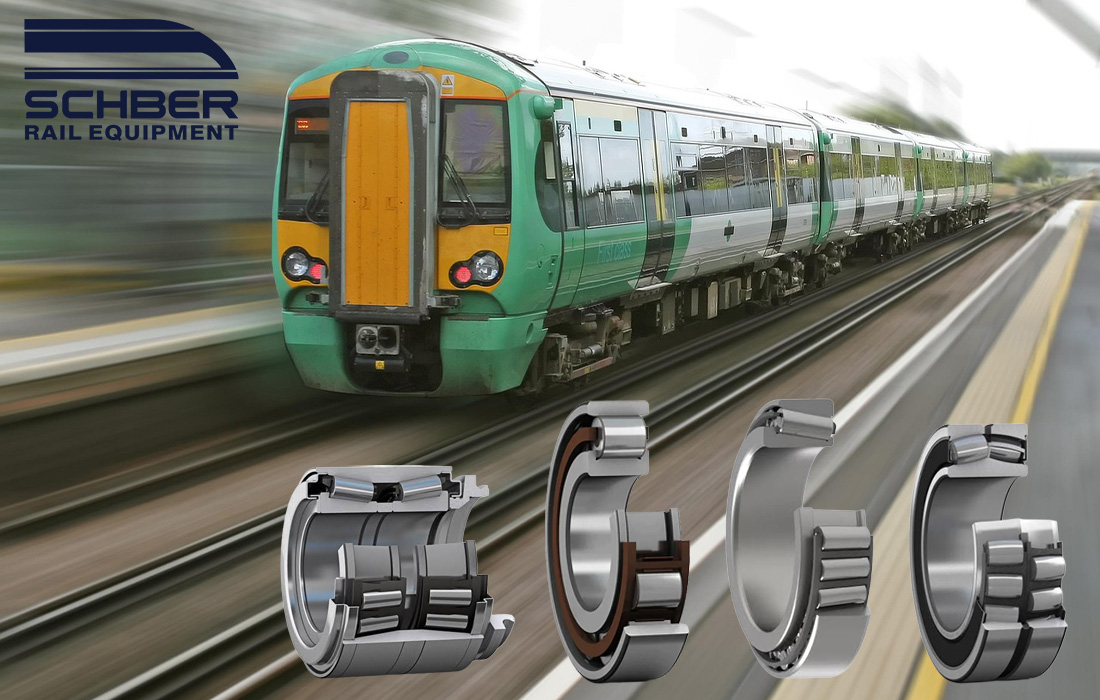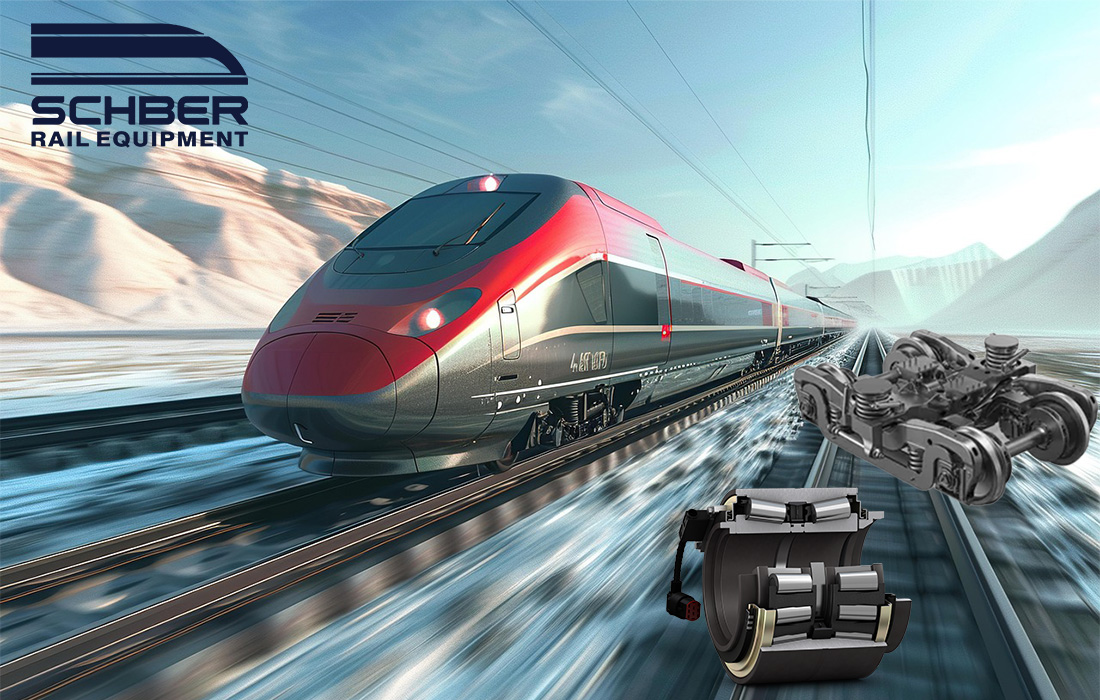
The traction motor is a critical power component of high-speed EMU trains. It is responsible for converting electrical energy into mechanical energy, thereby providing the motive power required for the train to operate.
EMUs require frequent starting, acceleration, and deceleration, with operating speeds constantly fluctuating. Consequently, traction motors must maintain a stable power output while also being capable of withstanding high-speed operation and prolonged service periods.
A high-quality traction motor enhances energy efficiency and contributes to smooth train operation. The motor’s performance directly impacts the train’s dynamic capabilities and overall operational efficiency.
Working Principle of EMU Traction Motors
EMUs derive electrical energy from an onboard electrical system. Traction converter equipment regulates the electrical parameters, and the traction motor subsequently converts this electrical energy into mechanical power.
Once the motor rotor begins to spin, it drives the vehicle’s transmission system. Power is transferred through components such as the gearbox to the wheels; once the wheels receive this power, the train begins to move.
During acceleration, the traction motor must deliver high power output. At high speeds, it must maintain a stable rotational speed. During deceleration, the system can coordinate with braking controls to adjust the motor’s operating state.
Key Characteristics of EMU Traction Motors
EMU traction motors typically require high power density. A compact design saves space for other onboard equipment and helps reduce the overall weight of the unit.
Excellent high-speed performance is also essential. Given the high operating speeds of EMUs—which cause motor rotational speeds to vary—the motor must maintain superior rotational stability.
Heat dissipation capability is equally important. Prolonged operation generates heat; an effective cooling structure helps control temperature rise and preserves motor performance.
Traction motors must also withstand continuous vibration. Railway vehicles are subject to varying degrees of shock and vibration during operation, requiring the motor structure to maintain robust mechanical stability.
Main Applications of EMU Traction Motors
EMU traction motors are widely used in high-speed railway vehicles, with specific traction system configurations varying by train model.
High-speed EMUs generally require higher traction power, whereas intercity EMUs must balance acceleration performance with operational efficiency.
These traction motors operate in coordination with converters, gearboxes, and transmission systems. Proper coordination among the various components enables the electric multiple unit (EMU) to achieve stable power output.
Maintenance of EMU Traction Motors
Proper maintenance helps ensure the long-term operational reliability of traction motors.
Routine inspections should focus on motor temperature, vibration, and operating noise. If significant changes in operating parameters occur, the equipment requires immediate inspection.
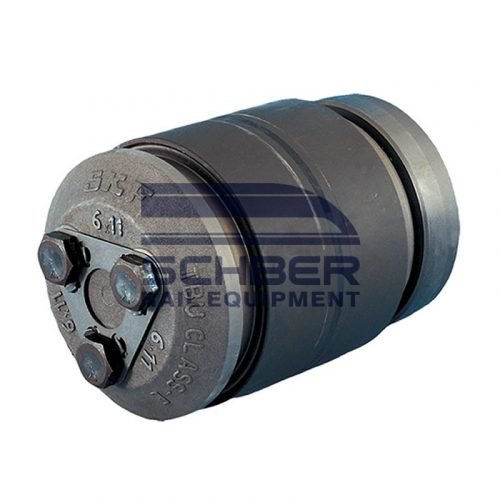
Bearings are also critical components to inspect; personnel should monitor bearing temperature and lubrication status. Optimal bearing performance minimizes mechanical friction.
Additionally, motor windings and electrical connections must be checked. Regular testing allows for the early detection of potential issues and reduces operational risks.