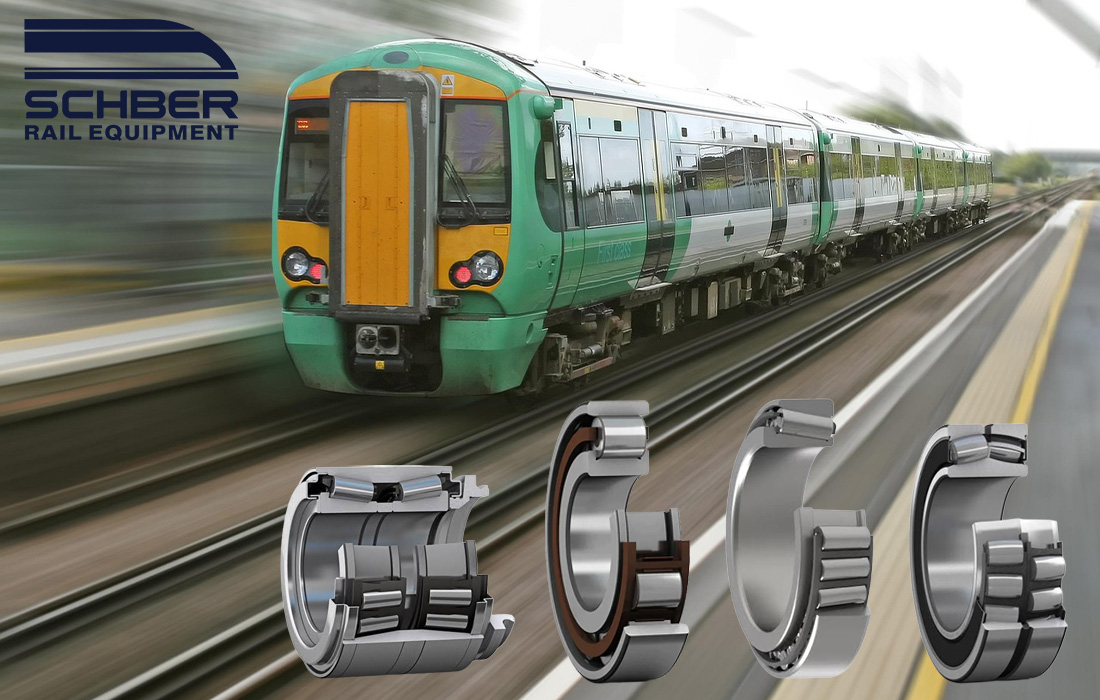
Bearings for high-speed rail traction motors are critical components of the traction system. They primarily support the traction motor’s rotating shaft and withstand the radial and axial loads generated during operation.
High-speed trains operate at high velocities, requiring traction motors to maintain stable operation over extended periods. The bearings must adapt to complex operating conditions, including high-speed rotation, continuous vibration, and temperature fluctuations.
High-quality bearings reduce rotational friction and help the motor maintain operational precision. Stable bearing performance contributes to the overall efficiency of the traction system.
Key Functions of High-Speed Rail Traction Motor Bearings
During traction motor operation, the rotor spins continuously at high speeds. Bearings support the rotating shaft and help maintain the rotor’s stable position.
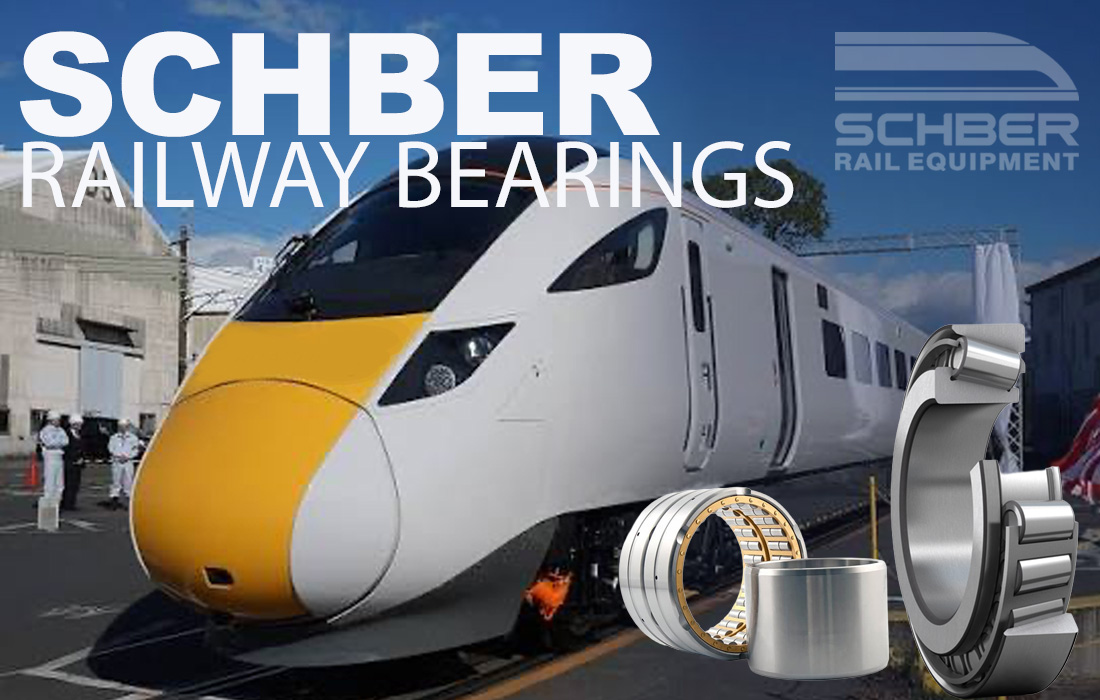
Bearings typically consist of an inner ring, an outer ring, rolling elements, and a cage. Different structural designs cater to varying load and rotational speed requirements.
High-speed rail operations generate continuous vibration. Bearings are also subjected to dynamic loads when trains traverse curves, switches, and complex track sections. Consequently, they must maintain excellent stability and rotational precision.
Performance Characteristics of High-Speed Rail Traction Motor Bearings
These bearings require excellent high-speed operational capabilities. As the train travels at high speeds, the traction motor’s rotational speed fluctuates constantly; the bearings must ensure smooth rotation while controlling friction and temperature rise.
Robust load-bearing capacity is also essential, as the traction motor generates continuous loads during operation. An optimized bearing structure enables the equipment to handle diverse operating conditions.
Temperature control is equally critical. Prolonged operation causes internal motor temperatures to rise; appropriate lubrication reduces friction and helps the bearings maintain normal operating conditions.
Bearing precision also influences motor performance. High dimensional accuracy and precise fits minimize abnormal vibration and noise.
Selecting High-Speed Rail Traction Motor Bearings
Selecting the right bearing requires a thorough understanding of the motor’s actual specifications.Key parameters include the bearing’s inner diameter, outer diameter, width, rotational speed, and load capacity. Installation space and operating temperature must also be considered.
High-speed applications prioritize rotational performance, while high-load scenarios focus on load-bearing capacity. Long-term operation requires a focus on lubrication and durability. Traction motor designs vary across different high-speed rail vehicles; therefore, bearing selection must take into account the specific motor model and operating conditions.
Maintenance of High-Speed Rail Traction Motor Bearings
Regular maintenance helps ensure stable bearing operation.
Personnel should monitor bearing temperature, vibration, and operating noise. If significant changes occur in these parameters, the equipment’s condition must be inspected promptly.Lubrication management is equally important. Proper lubrication reduces friction and minimizes heat buildup within the bearing.
Additionally, the bearing fit and installation status must be checked. Correct installation reduces operational deviations and helps extend the bearing’s service life.