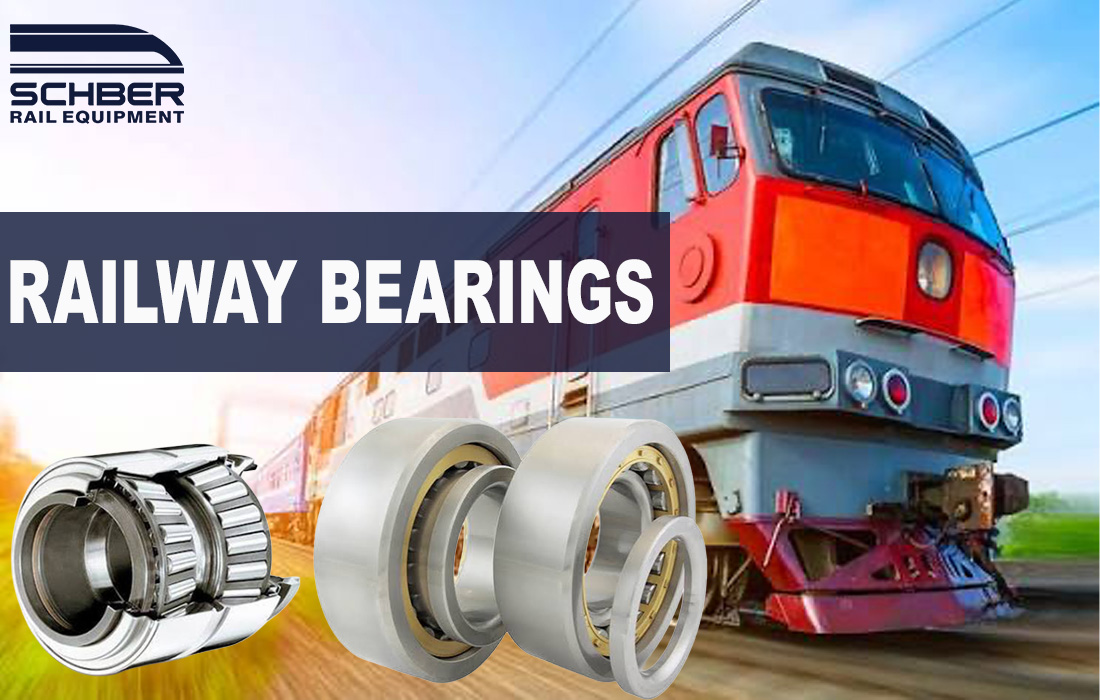
Railway bearings must rotate at high speeds for extended periods. During operation, frictional heat is generated within the bearing. Factors such as high speed, heavy loads, and ambient temperature all influence the bearing’s temperature.
Effectively controlling temperature rise enhances the operational stability of railway bearings. It also mitigates grease degradation and component wear. Temperature control is crucial for high-speed trains, subways, and heavy-haul trains.
Why Do Railway Bearings Experience Temperature Rise?
During operation, the rolling elements of a railway bearing come into contact with the raceways, generating friction in the contact zones.Sealing structures also create a certain amount of resistance, and the grease itself affects internal operating conditions.As vehicle speed increases, so does the bearing’s rotational speed, which can lead to a rise in frictional heat.
Prolonged exposure to high temperatures can accelerate grease degradation and cause abnormal internal wear. Consequently, manufacturers must manage the bearing’s operating temperature.
The Impact of Operating Speed on Temperature Rise
Operating speed is a key factor influencing temperature rise in railway bearings.High-speed trains require higher bearing rotational speeds; manufacturers must select appropriate bearing designs based on these speeds.
Factors such as rolling element size, cage design, and internal clearance all affect bearing performance.Bearings for high-speed rail also require high rotational precision; precision manufacturing helps minimize unnecessary friction and vibration.
The Impact of Load on Bearing Temperature
Heavier axle loads generally result in higher loads on the bearings. Heavier loads increase contact stress between the raceways and rolling elements.Heavy-haul railway applications require bearings with high load-carrying capacity. Manufacturers must select the appropriate bearing size and design based on axle load specifications.
Prolonged operation under overload conditions can lead to a significant rise in temperature. Therefore, purchasers need to provide accurate vehicle load and operating parameter data.
Lubrication Is Crucial for Controlling Temperature Rise
Proper lubrication reduces friction. The right grease also helps maintain a stable operating temperature.More grease is not necessarily better; an excessive amount can increase internal resistance.Conversely, insufficient grease increases friction and wear. Manufacturers must determine the optimal grease fill quantity based on the bearing’s design, rotational speed, and operating temperature.Overseas purchasers should also consider the grease’s performance at both high and low temperatures.
Seal Design Affects Temperature Rise
Seals prevent dust and moisture from entering the bearing, but the seal design can also increase friction.Contact seals generally offer superior protection against dust and water, whereas non-contact seals reduce frictional drag.High-speed railway bearings require an optimal balance between sealing performance and low friction.Manufacturers must select the appropriate seal design based on the vehicle’s operating environment.
Internal Clearance Affects Temperature Fluctuations
Internal bearing clearance must meet design specifications. Bearing temperatures fluctuate during operation.
As temperatures rise, the rings and rolling elements undergo thermal expansion. Consequently, manufacturers must design internal clearance carefully, taking into account the bearing structure and operating temperature.Proper clearance ensures stable bearing operation; excessive or insufficient clearance can compromise performance.
How Is Railway Bearing Temperature Rise Monitored?
Railway operators can monitor bearing status using temperature sensors and monitoring systems.Personnel can continuously track temperature changes. Abnormal temperature rises may indicate inadequate lubrication, abnormal loads, or bearing wear.Regular analysis of temperature data helps operators detect issues early.Temperature monitoring is particularly critical for high-speed and heavy-haul railway projects.
How to Select a Railway Bearing Supplier?
Overseas buyers should evaluate a supplier’s ability to control temperature rise. Manufacturers should possess robust design and testing capabilities.Buyers can inquire about applicable rotational speeds, load ranges, grease specifications, and temperature test data.Specialized railway bearing manufacturers can also provide technical recommendations based on specific vehicle operating conditions.
Conclusion
Railway bearing temperature rise is closely linked to speed, load, lubrication, sealing, and internal clearance.Sound bearing design minimizes friction and heat generation. Appropriate grease selection and seal design also help control temperatures.
For overseas buyers, selecting a supplier with proven capabilities in railway bearing design, manufacturing, and testing enhances operational reliability and reduces long-term maintenance costs.