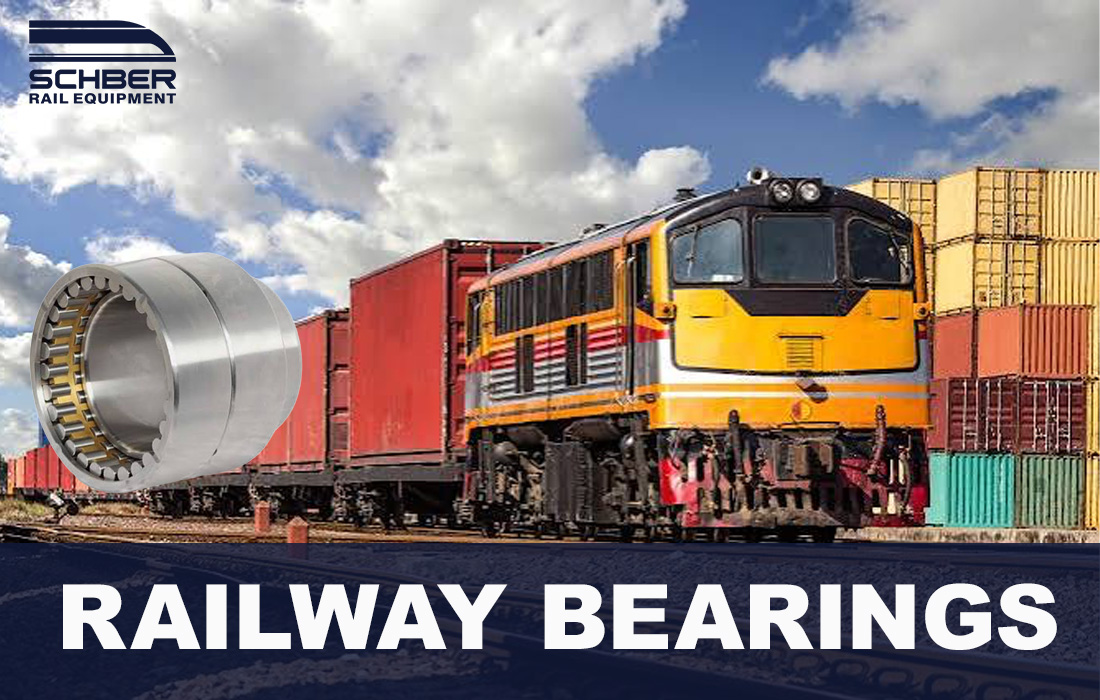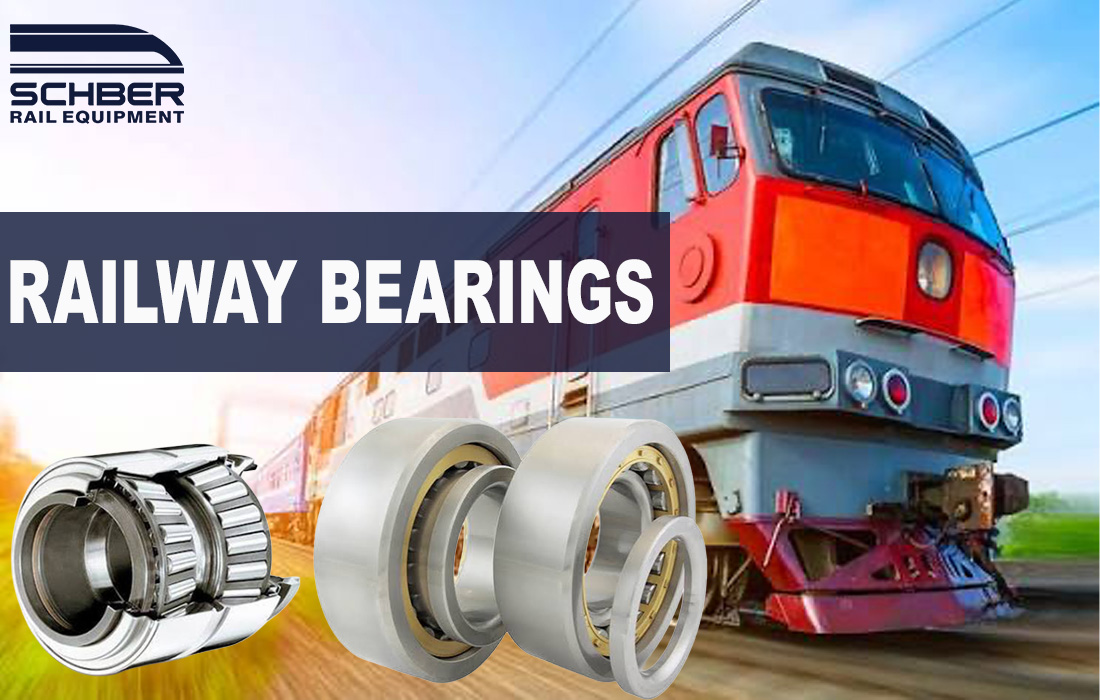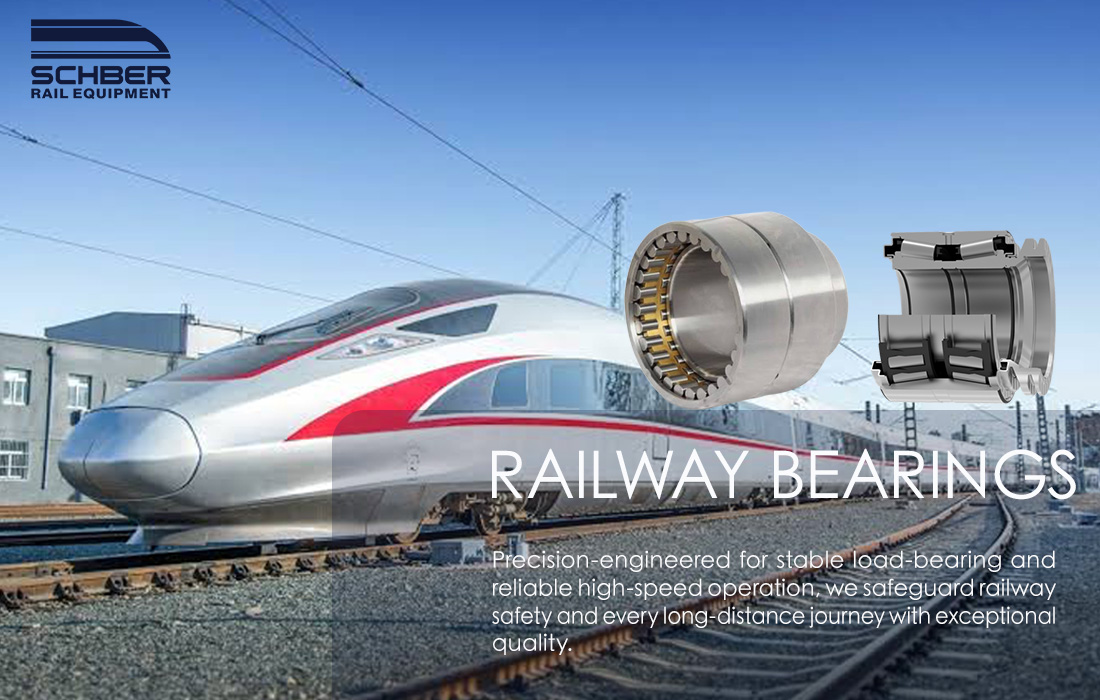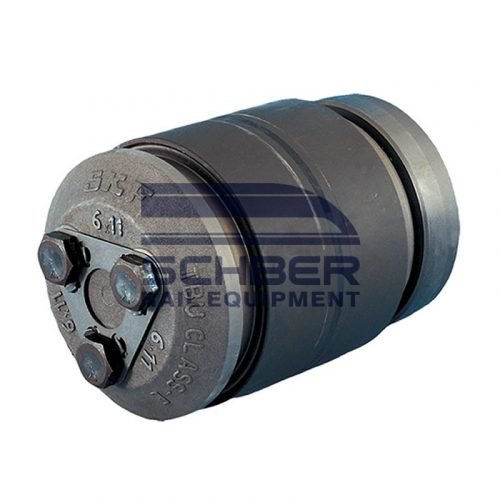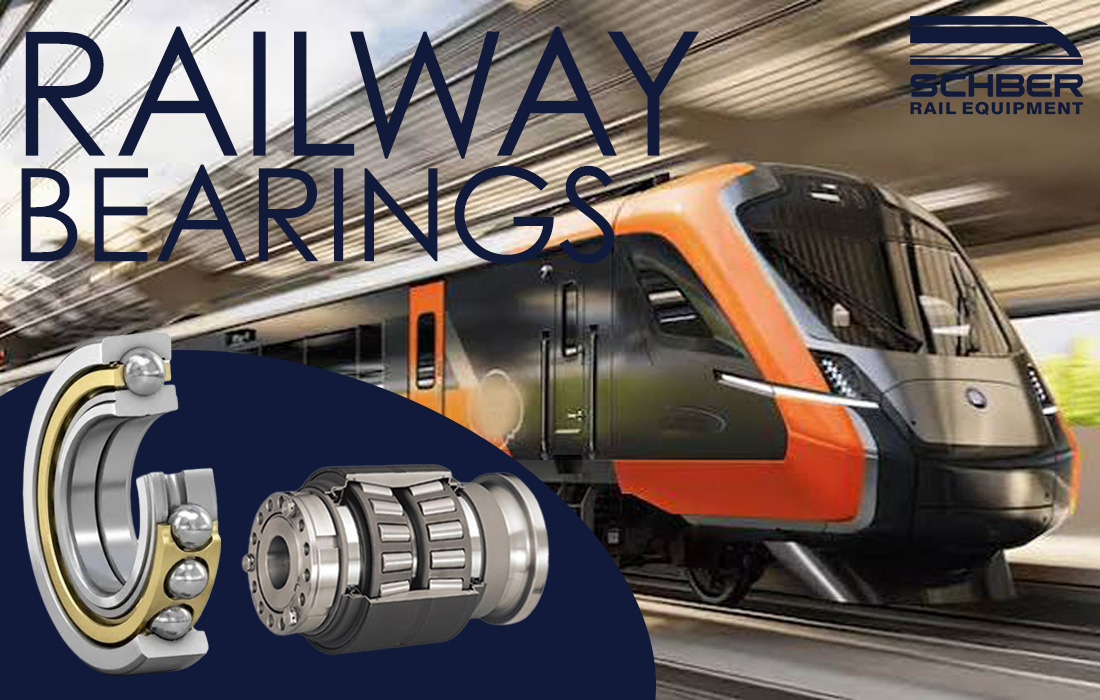
Railway bearings support critical loads between the wheels, axles, and axle boxes. They must withstand continuous rotation, vibration, impact, and temperature fluctuations. The service life of these bearings directly impacts the operational efficiency and maintenance costs of railway vehicles.
Understanding the service life of railway bearings is crucial for vehicle manufacturers and overseas buyers. Proper bearing design, correct installation methods, and effective maintenance can significantly extend their service life.
What Factors Affect the Service Life of Railway Bearings?
The service life of railway bearings is influenced by several factors, including bearing design, material quality, load, operating speed, and operating temperature.
Axial and radial loads are key factors. Prolonged overloading increases contact stress between the rolling elements and the raceways; excessive stress can accelerate fatigue damage.Operating speed also affects bearing life. High-speed operation increases friction and temperature rise. Consequently, manufacturers must select appropriate bearing configurations and lubrication strategies based on vehicle speed.
The Impact of Bearing Materials on Service Life
High-quality materials enhance the wear resistance and fatigue strength of railway bearings. High-grade bearing steel is typically used in their manufacture.
Steel purity, hardness, and microstructure all influence bearing performance, requiring manufacturers to strictly control raw material quality.Heat treatment processes are equally important. Proper heat treatment improves the mechanical properties of the bearing rings and rolling elements, while stable production processes ensure consistent quality.
The Importance of Lubrication for Bearing Life
Lubrication is vital for extending the service life of railway bearings. Suitable grease reduces friction and wear during rolling contact.
The grease used must be compatible with the vehicle’s operating temperatures and speeds; different vehicles require different lubrication strategies.Insufficient grease increases friction and temperature rise, while excessive grease can increase running resistance and temperature. Therefore, manufacturers must determine the optimal grease quantity based on the bearing design and actual operating conditions.
Proper Installation Extends Bearing Life
Railway bearings require correct installation. Factors such as bearing fit, installation force, and coaxiality must be carefully controlled during the process.
Installation tools must meet the bearing’s design specifications, and technicians must avoid striking the rolling elements or bearing rings directly.Misalignment during installation can subject the bearing to abnormal loads. After prolonged operation, bearings are prone to issues such as wear, noise, and temperature rise.Therefore, professional installation is crucial for the long-term performance of railway bearings.
Operating environments also affect bearing lifespan.
Railway vehicles often encounter complex environments. Dust, moisture, grit, and temperature fluctuations can all impact bearing performance.Effective sealing structures minimize the ingress of contaminants into the bearing. Reliable seals also help maintain the integrity of the lubricant.
For regions with cold, hot, or humid climates, buyers must select railway bearings suited to local conditions. Manufacturers must also adjust materials, sealing, and lubrication strategies based on actual operating conditions.
How can the service life of railway bearings be extended?
First, select the appropriate bearing model. Designs must account for axle loads, operating speeds, and operating temperatures.Second, utilize high-quality bearing steel and stable manufacturing processes.Third, select the right lubricant and adhere to maintenance inspection requirements.Fourth, regularly monitor bearing temperature, vibration, and operating status. Abnormal temperature rises or noise may indicate a problem.Finally, maintain comprehensive maintenance and product traceability records. This enables users to identify potential issues early.
Choosing a reliable railway bearing supplier
When selecting a supplier, overseas buyers should look beyond price. Key factors include product design capabilities, material control, machining precision, testing capabilities, and quality management systems.
A reliable manufacturer can provide products tailored to specific vehicle models and operating environments. They can also supply technical specifications, test reports, and product traceability information.
For export markets, buyers must also verify the technical standards of the destination country and the specific railway project, as different markets may have varying standards and certification requirements.
Conclusion
The service life of railway bearings is closely linked to materials, design, load, lubrication, installation, and maintenance. Selecting the right bearing model helps reduce operational risks.High-quality materials and stable manufacturing processes enhance bearing reliability. Proper installation and regular maintenance further extend service life.
For railway vehicle manufacturers and overseas buyers, partnering with a professional supplier ensures consistent product quality and long-term technical support.