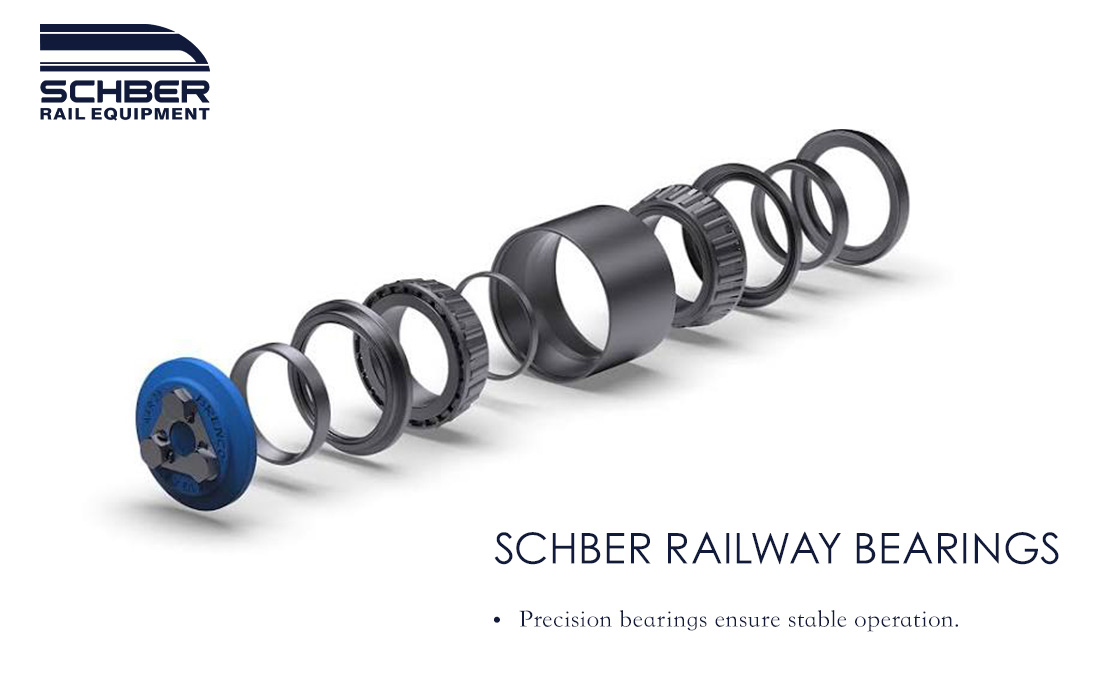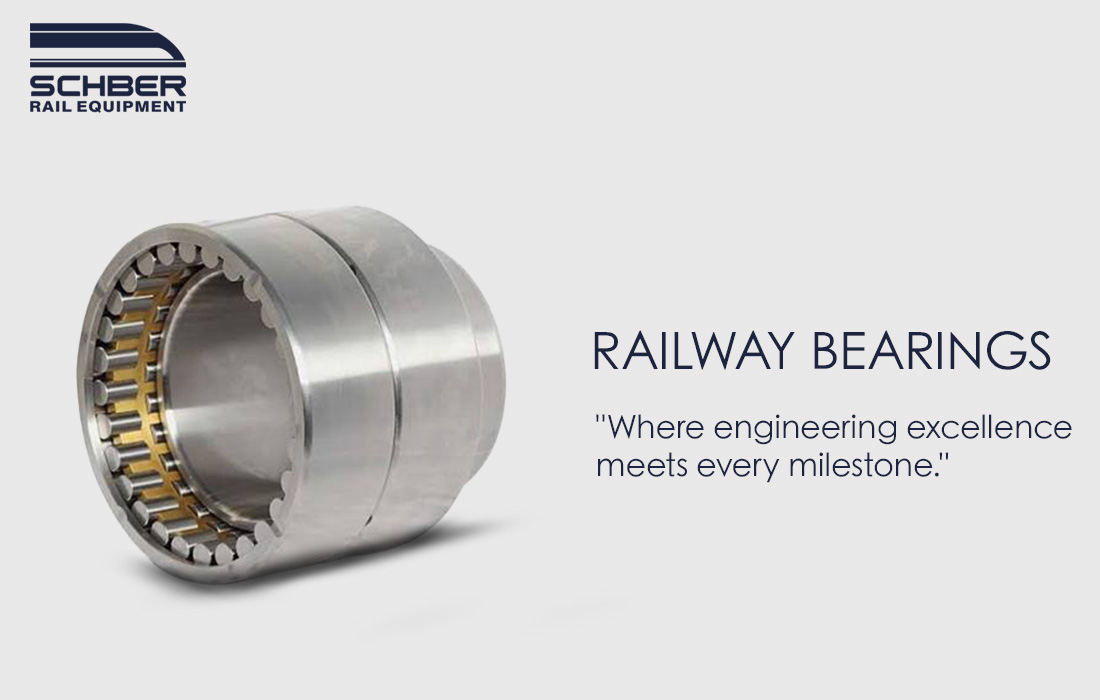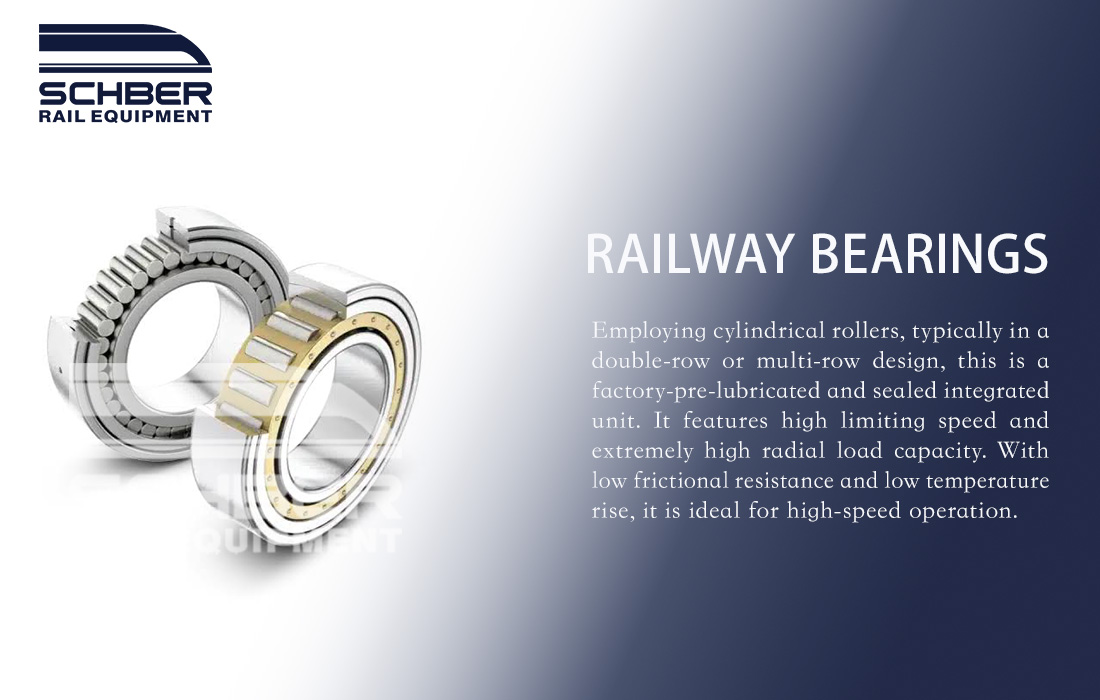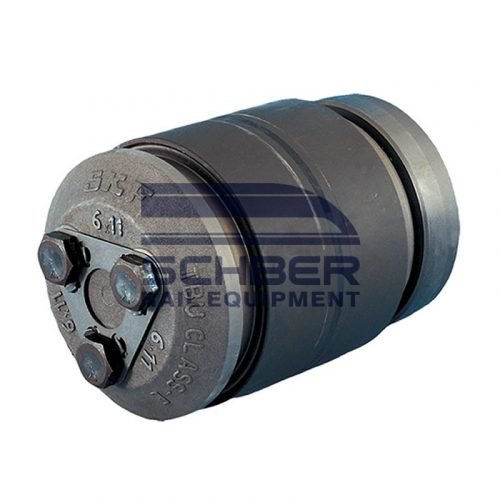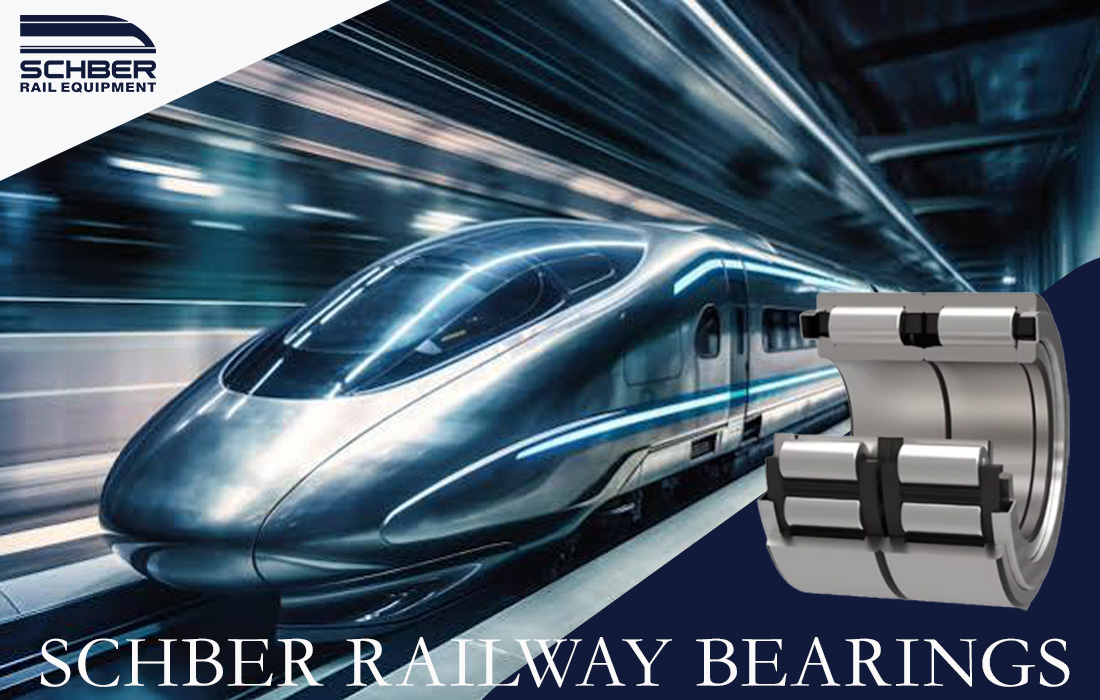
Railway bearings are critical components of railway vehicles, primarily utilized within axle and wheelset systems. These bearings support the rotation of the axle and minimize operational friction, while also enhancing the stability of the wheelset during operation.
As railway speeds increase, the demands placed on railway bearings become more rigorous. High-speed operation elevates both rotational speed and operating temperatures, while the vehicle is subjected to loads from various directions. Consequently, bearings must possess excellent load-bearing capacity and wear resistance.
The Role of Railway Bearings in Axles
The axle connects the left and right wheels, bearing the weight of the vehicle and operational loads over extended periods. Railway bearings are installed at specific locations along the axle to facilitate stable rotation.During train operation, the axle rotates continuously at high speeds. Bearings reduce friction between the axle and other components, and an effective bearing design helps lower operational resistance.Bearing precision also influences axle performance; high-precision bearings minimize vibration and noise, contributing to smoother vehicle operation.For high-speed railway vehicles, controlling operating temperatures is crucial. Optimized structural design and lubrication strategies help minimize heat generation, ensuring the bearing maintains stable performance over the long term.
Application of Railway Bearings in Wheelsets
A wheelset consists of wheels and an axle and maintains direct contact with the railway track. It must support the weight of the vehicle body while withstanding the impacts and vibrations generated during operation.Railway bearings facilitate the stable rotation of the wheelset. They must withstand significant radial loads as well as axial forces encountered during operation.Track conditions—such as curves, gradients, and rail joints—affect wheelset performance by generating varying loads. Therefore, railway bearings require excellent impact resistance.Sealing performance is equally important. Railway vehicles operate outdoors for extended periods, exposing bearings to potential ingress of dust, moisture, and contaminants. Effective sealing structures help prevent such contaminants from entering the bearing.
Materials and Manufacturing of Railway Bearings
Railway bearings are typically manufactured from high-strength bearing steel. High-quality materials enhance the bearing’s load-bearing capacity and wear resistance.Heat treatment processes improve material hardness, while precision grinding enhances the surface quality of the raceways. Advanced manufacturing equipment also enables the control of bearing dimensions and geometric precision.Manufacturers must conduct rigorous quality inspections. Common inspection criteria include dimensions, rotational accuracy, vibration, and noise levels. Companies can also evaluate bearing performance through service-life testing.
Lubrication and Maintenance of Railway Bearings
Lubrication directly affects bearing performance. Appropriate grease reduces friction, helps regulate bearing temperature, and minimizes wear.Railway operators must select lubrication strategies based on vehicle speeds and operating environments. Regular inspections are also crucial; personnel should monitor changes in bearing temperature, vibration, and noise.Early detection of anomalies reduces the risk of vehicle maintenance issues, while proper maintenance extends the service life of the bearings.
The International Market for Railway Bearings
Global railway transportation continues to expand. High-speed rail, intercity rail, and conventional railway projects all require reliable bearings, ensuring steady international demand for these products.Overseas buyers typically focus on product quality, specifications, and delivery lead times. Suppliers must provide clear technical data, including dimensions, materials, precision grades, and compatible vehicle types.Exporting companies must also prioritize packaging and transportation; proper packaging protects bearing surfaces, while reliable delivery capabilities help establish long-term partnerships.
Conclusion
Railway bearings play a vital role in axle and wheelset systems, influencing operational stability, maintenance costs, and service life.
As railway transportation evolves toward higher speeds and greater intelligence, market demand for high-precision bearings continues to rise. Specialized manufacturers must continuously improve their materials, production processes, and inspection capabilities to provide reliable bearing products to railway customers worldwide.