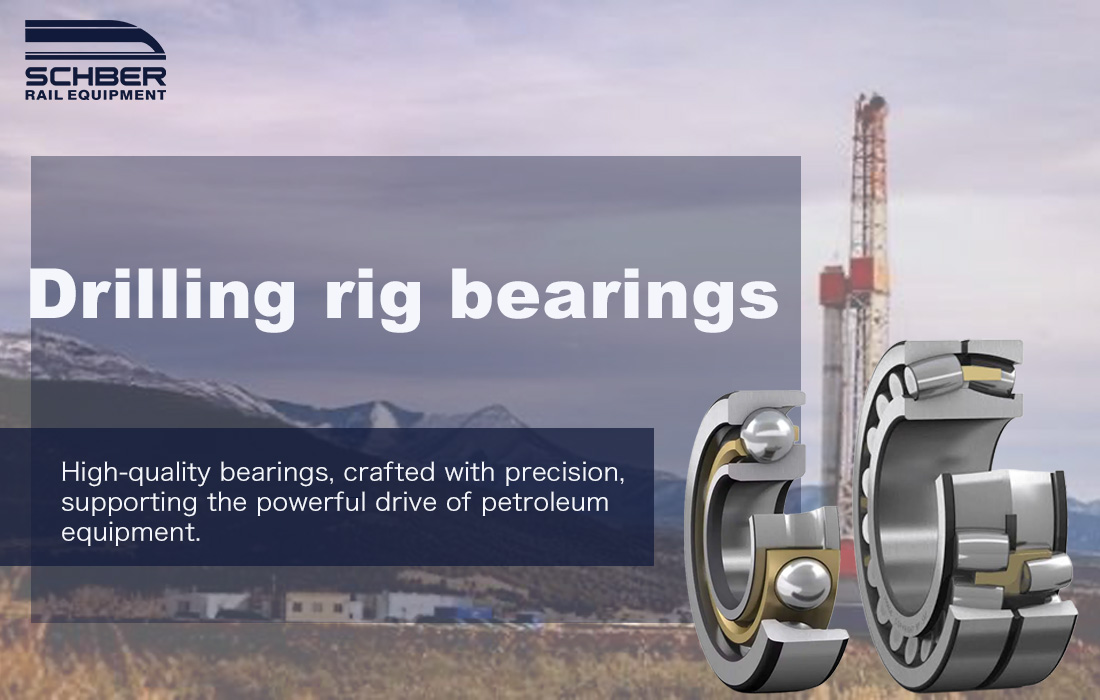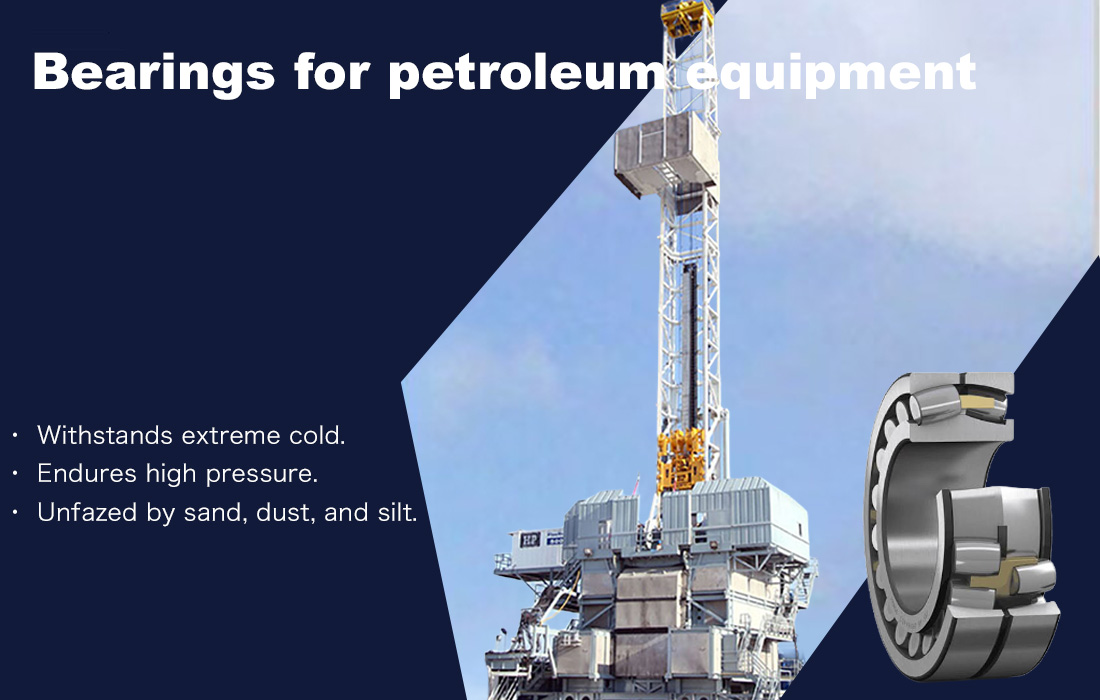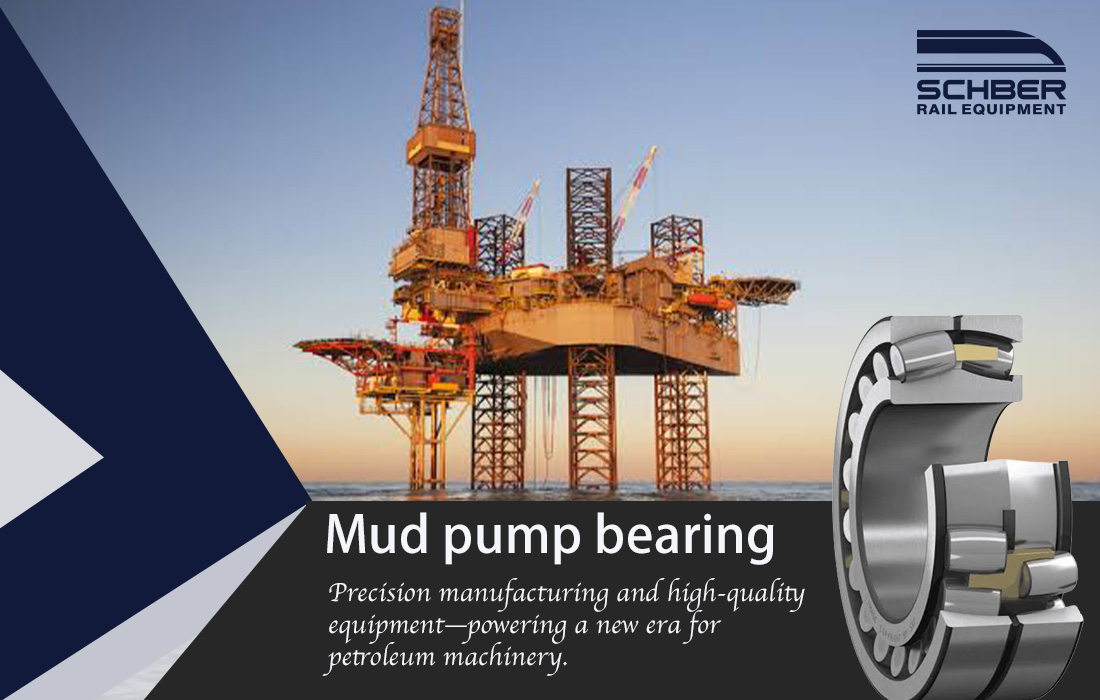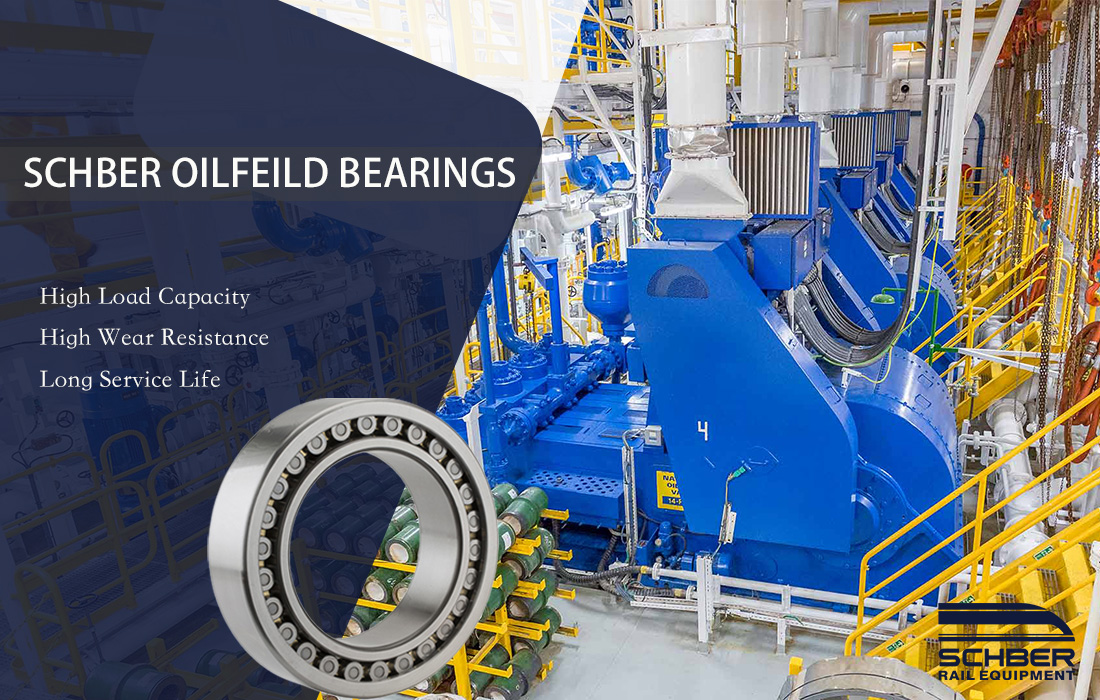
The sucker-rod pump—often referred to as a “nodding donkey” due to its motion—is a common piece of surface equipment used in oilfield extraction. The equipment operates continuously and cyclically, generating significant radial, impact, and alternating loads during operation. Consequently, the bearings—critical transmission components—not only support and transfer these loads but also directly influence the pump’s operational stability and service life. Selecting the right bearings is crucial for reducing equipment failure rates and maintenance costs.
What is the working principle of a sucker-rod pump?
A sucker-rod pump is primarily powered by an electric motor. Power is transmitted through a gearbox that reduces rotational speed; mechanisms such as the crank, connecting rod, and walking beam then convert this rotary motion into the up-and-down oscillation of the walking beam. This ultimately drives the sucker-rod string in a reciprocating motion to lift crude oil from the wellbore.
Throughout this process, components such as the gearbox, crankshaft, and walking-beam support undergo rotational or oscillating movements, requiring various types of bearings to support them. The stability of bearing operation directly affects the efficiency of the pump’s transmission system.
Where are sucker-rod pump bearings installed?
Bearings in sucker-rod pumps are primarily located in the gearbox, transmission shafts, crank mechanism, and various support points. Specific installation locations and bearing models may vary depending on the pump’s model and structural design.
Gearbox bearings support gear shafts and transmission shafts, ensuring the proper functioning of the gear system, while bearings in the crank and transmission mechanisms must withstand the loads and impacts generated during operation. Specific installation methods should be determined based on the pump’s structural design and the manufacturer’s requirements.
What loads do sucker-rod pump bearings withstand?
Sucker-rod pumps do not operate with simple, steady rotation; instead, they experience significant cyclical load fluctuations. Bearings may be subjected to radial loads, axial loads, and varying degrees of impact loads simultaneously.
Load fluctuations on the bearings can be particularly pronounced during startup, shutdown, and periods of changing operational loads. Therefore, when selecting bearings for oil pumping units, one cannot rely solely on dimensions; factors such as equipment load, rotational speed, operating cycle, and installation conditions must also be comprehensively considered.
For pumping units subject to heavy loads, roller bearings with high load-carrying capacity may be selected based on actual operating conditions, with specifications and internal clearances determined appropriately in conjunction with the equipment’s structural design.
What are the common failures of oil pumping unit bearings?
During long-term operation, improper bearing selection, installation, or maintenance can lead to issues such as overheating, abnormal noise, vibration, and wear.
Bearing Overheating
An abnormal rise in bearing temperature may be caused by insufficient lubrication, excessive grease, improper installation fits, excessive loads, or abnormal internal wear. Prolonged high-temperature operation can impair lubrication performance and accelerate bearing aging.
Bearing Noise and Abnormal Sounds
If distinct abnormal bearing noise occurs during operation, it may be due to wear on the raceways or rolling elements, poor lubrication, the ingress of contaminants, or insufficient installation precision. Upon detecting abnormal sounds, the bearing and related transmission components should be inspected promptly.
Bearing Wear
After enduring cyclic loads over a long period, bearings may suffer from raceway wear or damage to the rolling elements. Additionally, the ingress of dust, moisture, or other impurities can exacerbate wear.
How do you select the right bearing for an oil pumping unit?
When selecting a bearing for an oil pumping unit, first determine the basic dimensions, including inner diameter, outer diameter, and width. Then, based on the equipment’s actual operating conditions, focus on the following factors:
First, load.Select a product with sufficient load-carrying capacity based on the actual radial and axial loads the bearing will endure.
Second, rotational speed.Choose a bearing structure suitable for the pumping unit’s operating speed to avoid prolonged operation outside the optimal range.
Third, operating environment.Oilfield sites may contain dust, moisture, and other contaminants; therefore, appropriate sealing and protection solutions must be selected based on the environment.
Fourth, lubrication method.Select the appropriate grease or lubricating oil based on bearing speed, temperature, and load, and perform regular inspections in accordance with maintenance requirements.Fifth, service life. For oil pumping equipment that operates continuously over long periods, products suitable for long-term service should be selected by comprehensively considering factors such as bearing material, manufacturing precision, load-bearing capacity, and fatigue life.
How can the service life of oil pumping unit bearings be extended?
In addition to selecting the appropriate bearings for oilfield machinery, proper installation and maintenance are equally important. During installation, the cleanliness of the bearing, shaft, and housing must be ensured, and the use of unsuitable tools to strike the bearing directly should be avoided. During operation, bearing temperature, noise, vibration, and lubrication status should be monitored regularly.
At the same time, lubricants must be replenished or replaced in accordance with equipment maintenance requirements, and the integrity of seals should be checked. If abnormal heat, noise, or significant vibration is detected, the unit should be shut down immediately for inspection to prevent minor issues from escalating into equipment failure or downtime.
Conclusion
Bearings are critical components of the transmission system in oil pumping units, and their performance directly impacts the stable operation of the equipment. Given the cyclical nature of oil pumping unit operations and significant load fluctuations, factors such as load, rotational speed, operating environment, lubrication conditions, and service life must be comprehensively considered when selecting bearings.
Selecting bearings that match the equipment’s operating conditions—combined with proper installation, appropriate lubrication, and regular maintenance—can effectively minimize issues such as overheating, noise, and wear, thereby ensuring the long-term, stable operation of the oil pumping unit.