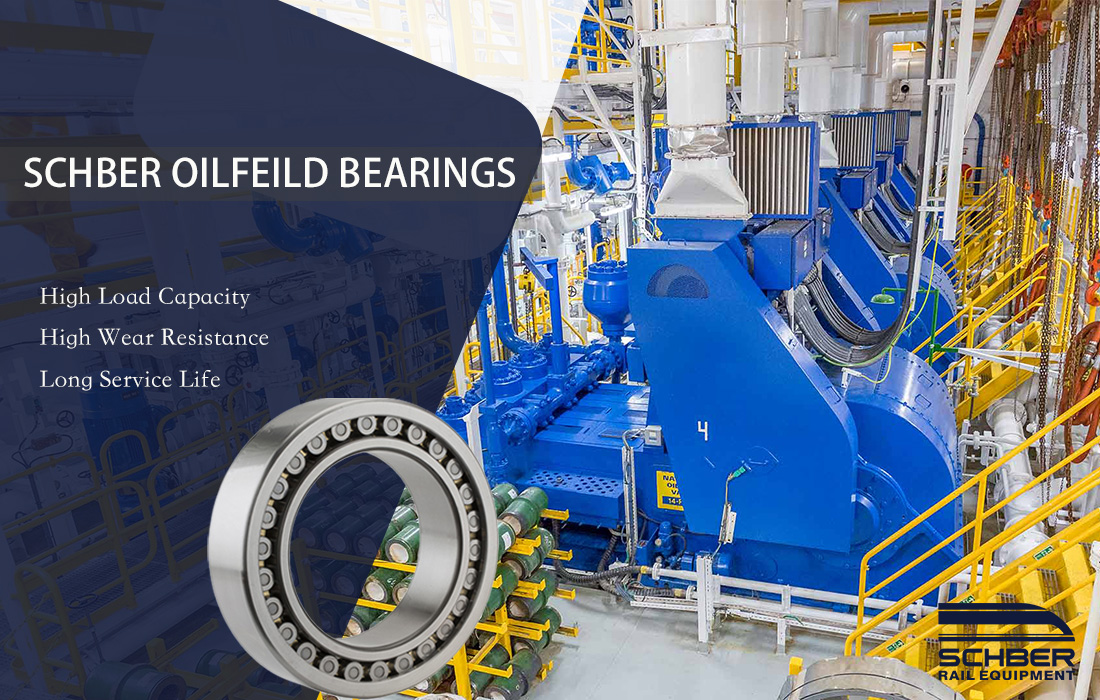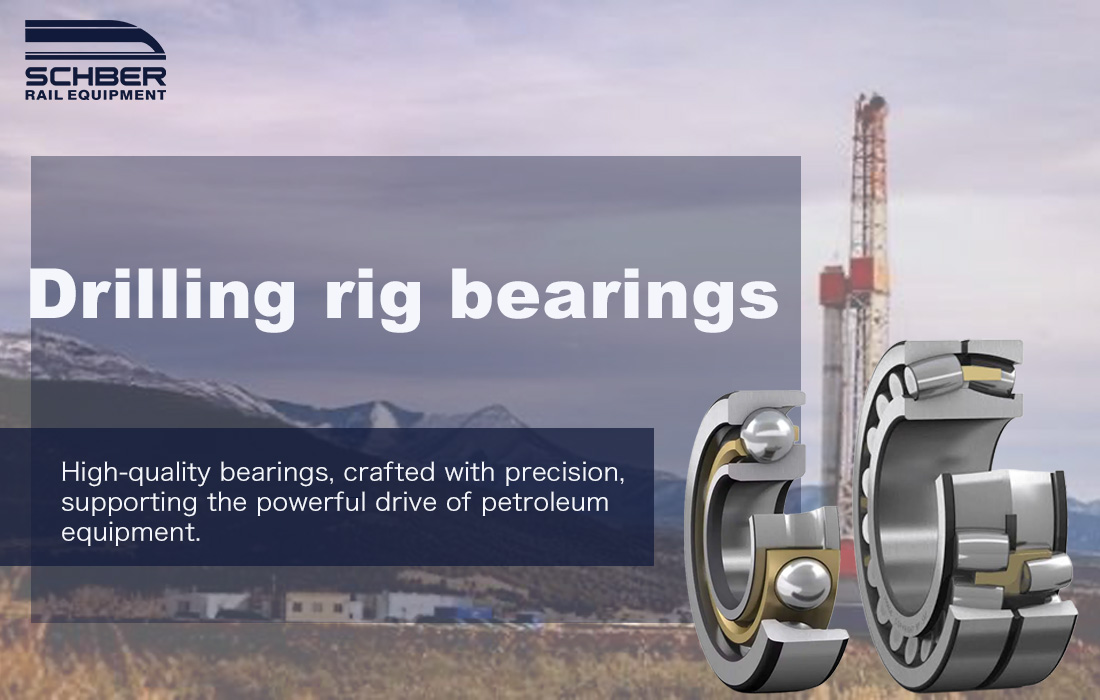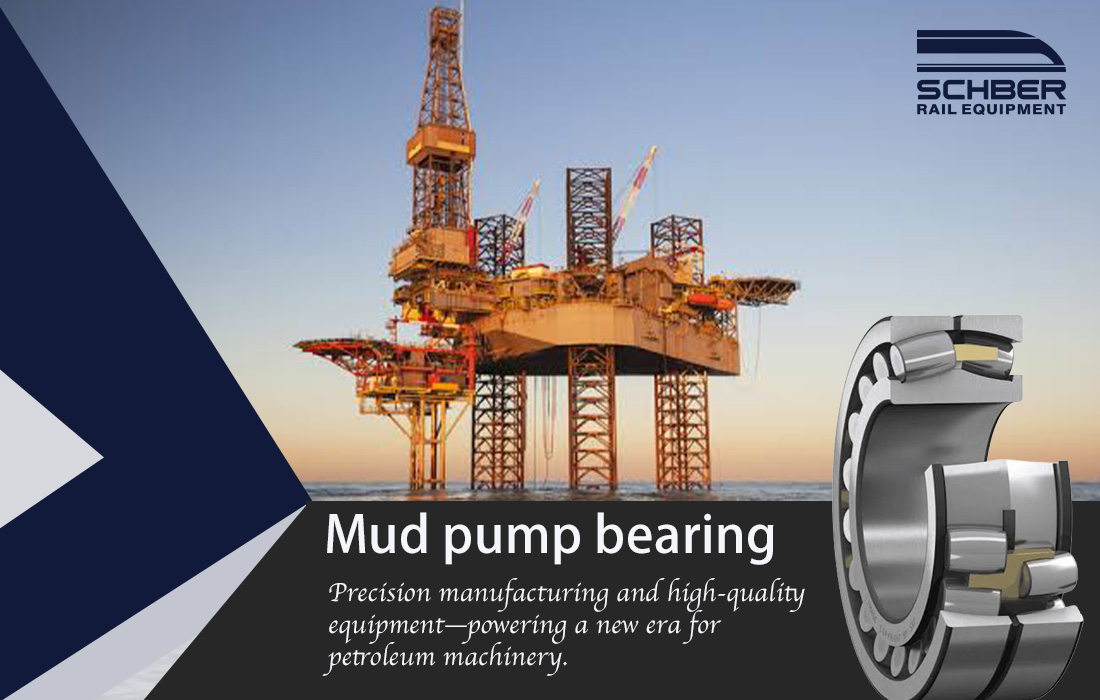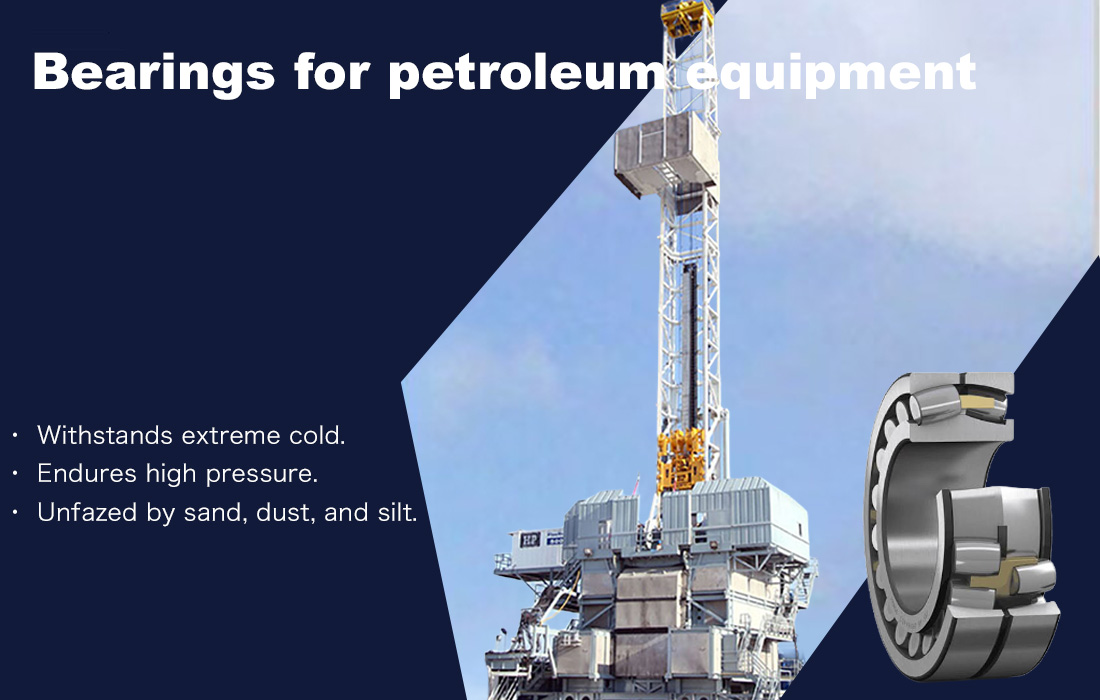
Oilfield equipment plays a vital role in processes such as exploration, drilling, extraction, transportation, and oil and gas processing. Compared to standard industrial machinery, oilfield equipment often operates under demanding conditions characterized by heavy loads, prolonged continuous operation, intense impacts, and complex working environments. Under these conditions, bearings—as critical transmission components—directly influence the overall performance of the machinery through their load-carrying capacity and operational stability. Therefore, selecting bearings with high load-carrying capacity is essential for ensuring the long-term, stable operation of the equipment.
What makes the operating environment of oilfield equipment unique?
Oilfield machinery typically requires continuous operation over extended periods, with some equipment running for hours or even longer each day. During drilling, extraction, and transportation, mechanical components are subjected not only to constant radial or axial loads but also to shocks caused by startups, shutdowns, and fluctuations in load.
For instance, drilling equipment can generate significant vibration and impact during operation; mud pumps must run continuously under high loads; and pumping units are subjected to cyclic reciprocating loads. These complex operating conditions place higher demands on the bearings.
Furthermore, the operating environment often involves exposure to dust, moisture, drilling mud, and other contaminants. If bearing sealing is inadequate, the ingress of contaminants can lead to lubrication failure and abnormal wear, thereby shortening the bearing’s service life.
How do heavy loads affect bearings?
Heavy loading is a significant operating condition for bearings in oilfield machinery. When bearings operate under substantial loads for extended periods, high contact stresses develop between the rolling elements and the raceways. If a bearing lacks sufficient load-carrying capacity, prolonged operation can result in issues such as wear, fatigue spalling, and excessive temperature rise.
Consequently, for heavy-duty oilfield machinery—such as drilling rigs, mud pumps, and gear reducers—it is crucial to select bearings with an appropriate load rating based on actual load requirements. Proper bearing selection ensures stable operation within the design parameters and minimizes the risk of premature failure caused by overloading.
Continuous operation places higher demands on bearings
Oilfield equipment is typically characterized by long periods of continuous operation and high costs associated with downtime and maintenance. Bearing failure can lead to equipment downtime; this not only necessitates the replacement of parts but can also disrupt the entire production process.
Therefore, in addition to meeting basic load requirements, high-load-capacity bearings must exhibit excellent wear resistance, fatigue life, and operational stability. Selecting the appropriate bearing structure, materials, and lubrication method ensures better adaptation to the demands of long-term operation.
Impact Loads and Vibration Cannot Be Ignored
While standard bearings suffice for many applications under stable, low-impact conditions, petroleum machinery frequently operates amidst vibration and impact loads. For instance, the load on drilling equipment may fluctuate as it operates across varying geological formations, and oil extraction equipment generates cyclical loads during operation.
In such scenarios, bearings require superior load-bearing and impact-resistance capabilities. For equipment subject to significant impact, suitable bearing types—such as cylindrical roller bearings, tapered roller bearings, or spherical roller bearings—should be selected based on specific operating conditions, with dimensions and internal clearances determined accordingly.
How Do High-Load-Capacity Bearings Differ from Standard Bearings?
High-load-capacity bearings are not simply “larger” versions of standard ones; they are the result of comprehensive optimization regarding load capacity, materials, internal structure, manufacturing precision, and service life, tailored to specific design and production requirements.
Standard bearings are better suited for general operating conditions, whereas high-load-capacity bearings target demanding environments characterized by heavy loads, impact, vibration, or continuous operation. For petroleum machinery, the decision to use high-load-capacity bearings should be based on parameters such as equipment load, rotational speed, operating temperature, lubrication conditions, and available installation space.
Can High-Load-Capacity Bearings Reduce Maintenance Costs?
Bearings are among the critical, wear-prone transmission components in petroleum machinery. Improper bearing selection can lead to frequent replacements, equipment downtime, and increased maintenance costs.
Selecting high-load-capacity bearings that match the equipment’s operating conditions enhances operational reliability—provided maintenance is adequate—and reduces failures caused by overload, impact, and abnormal wear. Furthermore, proper installation, lubrication, and regular inspections can further extend the bearing’s service life.
How Do You Select the Right Bearings for Petroleum Equipment?
When selecting bearings for petroleum machinery, the equipment’s actual operating parameters—such as radial and axial loads, rotational speed, temperature, vibration, and the operating environment—must first be clearly defined. For equipment subject to heavy loads, severe impacts, and prolonged continuous operation, priority should be given to the bearing’s load-carrying capacity, fatigue life, and impact resistance.
Additionally, factors such as bearing dimensions, sealing methods, lubrication conditions, and installation requirements must be considered. For specialized operating conditions, suitable bearing configurations can be selected or custom-engineered to meet specific equipment needs.
Conclusion
Petroleum equipment operates in demanding environments that place high demands on bearing reliability and load-carrying capacity. Heavy loads, continuous operation, shock loads, and complex environmental conditions are all critical factors to consider during the selection process. High-capacity bearings ensure stable transmission support for petroleum equipment and help minimize the risks associated with maintenance and downtime.
Therefore, when procuring bearings for petroleum equipment, one should look beyond price and model specifications to select products that align with actual operating conditions. Through proper selection, standardized installation, and scientific maintenance, bearings can effectively support the long-term, stable operation of petroleum equipment.