Introduction to Siemens Rolling Stock Manufacturing
Siemens Rolling Stock Manufacturing is a key player in the global rail transport equipment sector. Operating under the Siemens Mobility division, it focuses on the R&D, design, and manufacturing of high-speed trains, electric multiple units (EMUs), electric locomotives, metro cars, trams, and intelligent rail vehicles.
Leveraging advanced manufacturing technologies, reliable traction systems, and high-performance bogie technology, Siemens rolling stock is widely deployed across Europe, Asia, the Americas, and beyond, providing safe, efficient, and eco-friendly transport solutions for global rail networks.
Key Types of Siemens Rolling Stock and Their Applications
1. Siemens High-Speed Trains (EMUs)
High-speed trains are a cornerstone of Siemens’ rolling stock portfolio, with the Velaro series representing its flagship models.
Key Features:
Excellent high-speed performance
Lightweight aluminum alloy carbody design
Highly reliable bogie systems
Low-noise and energy-efficient operation
Suitable for high-speed and intercity rail transport
Typical Models:
Velaro E High-Speed EMU
Velaro D High-Speed Train
Velaro Novo Next-Generation High-Speed EMU
Application Areas:
High-speed rail lines
Intercity rail transport
International passenger rail services
2. Siemens Vectron Electric Locomotives
The Vectron series is a modular electric locomotive platform launched by Siemens, widely used in both freight and passenger rail transport across Europe.
Key Advantages:
Supports multiple power supply systems
Complies with railway standards across different countries
Highly reliable operation
Low maintenance costs
Key Models:
Vectron AC (Alternating Current) electric locomotive
Vectron DC (Direct Current) electric locomotive
Vectron MS (Multi-System) electric locomotive
Applications:
Railway freight transport
Long-distance passenger transport
Cross-border rail transport
3. Siemens Urban Rail Vehicles
Siemens possesses extensive experience in manufacturing urban rail vehicles; products include:
Metro vehicles
Applications:
Urban metro systems
Automated (driverless) metro lines
High-capacity urban transit
Trams
Representative Models:
Combino series
Avenio series
Applications:
Urban public transport
Light rail lines
Suburban transit systems
Core Manufacturing Technologies for Siemens Rail Vehicles
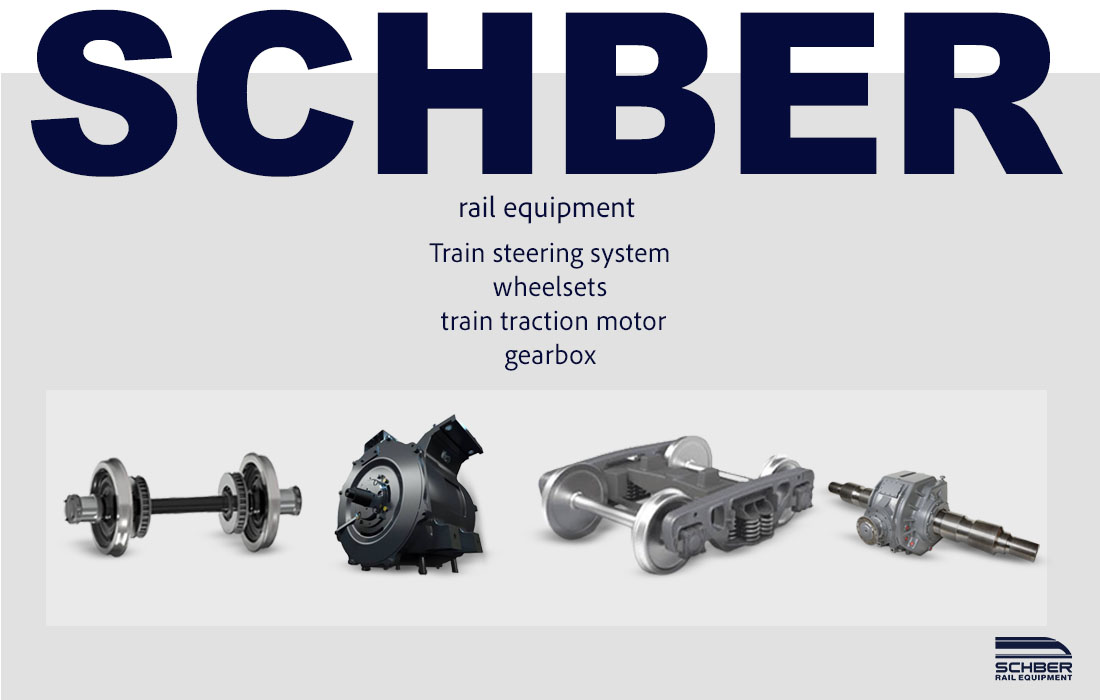
Siemens rail vehicles are primarily composed of several key systems:
1. Bogie System
The bogie is a critical load-bearing component of the rail vehicle, comprising:
Bogie frame
Wheelset system
Axle box assembly
Suspension/damping system
Drive unit
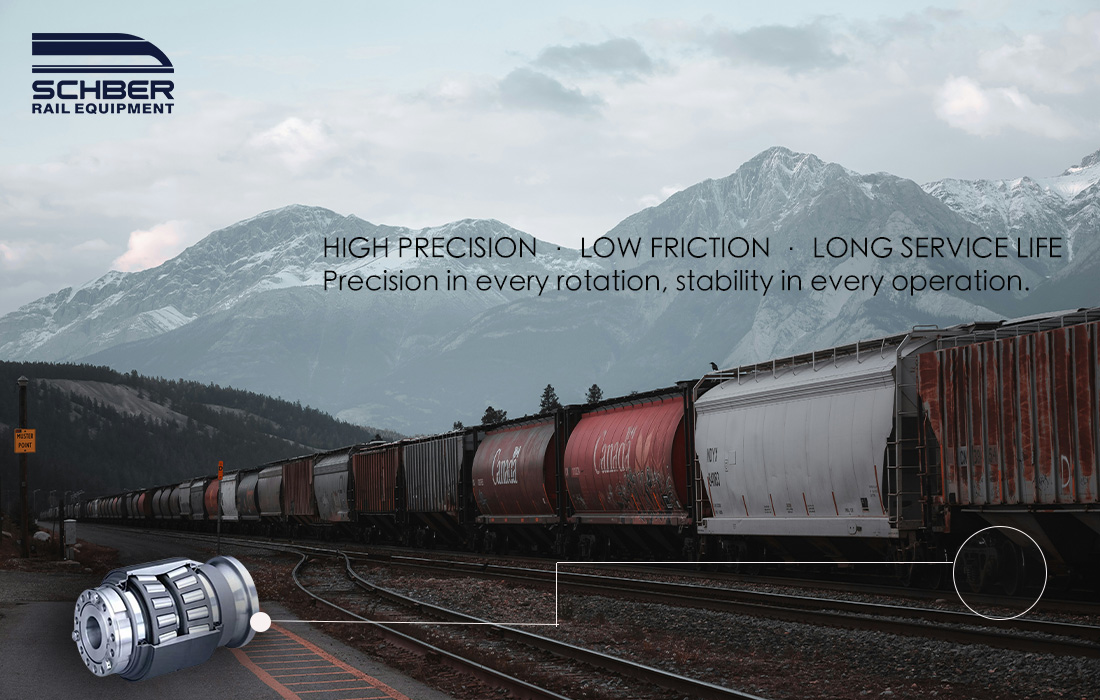
Among these, wheelset bearings are vital components ensuring safe, high-speed vehicle operation.
2. Traction System
Primarily includes:
Traction motor
Converter
Gear transmission unit
Functions:
Provides motive power for the vehicle
Enables stable, high-speed operation
3. Braking System
Includes:
Brake discs
Brake calipers
Electronically controlled braking system
Functions:
Ensures safe vehicle stopping
Enhances operational reliability
Application of Railway Bearings in Siemens Vehicles
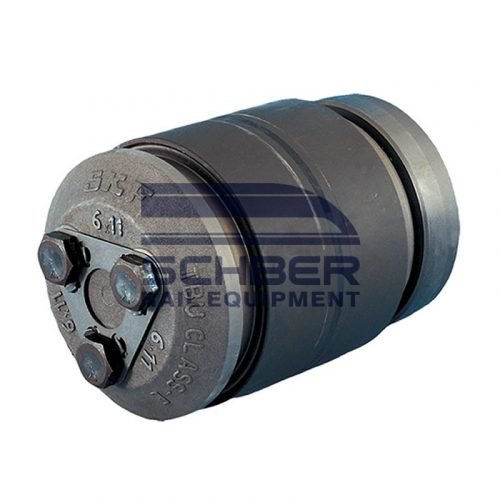
Railway bearings are critical components in the manufacture of Siemens rail vehicles, primarily used in:
Installation location:
Inside the axle boxes at both ends of the rail vehicle axle. Primary functions:
Supporting the weight of the vehicle body
Supporting the rotation of the wheelset
Reducing operational friction
Ensuring stability during high-speed operation
Common bearing types:
Cylindrical roller bearings
Series:
NU series
NJ series
Typical models:
NU320 series
NU328 series
NU330 series
Tapered roller bearings
Series:
320 series
322 series
Application characteristics:
High load-bearing capacity
Good impact resistance
Suitable for high-speed railway vehicles
2. Traction motor bearings
Installation location:
At both ends of the traction motor.
Functions:
Supporting the high-speed rotating motor shaft
Ensuring stable operation of the power system
Common types:
Deep-groove ball bearings
Cylindrical roller bearings
Common series:
62 series
63 series
NU series
3. Gearbox bearings
Installation location:
Inside the bogie drive gearbox. Functions:
Withstand high-speed rotational loads
Ensure reliable operation of the drive system
Commonly used bearings:
Cylindrical roller bearings
Tapered roller bearings
Model series:
NU series
30 series
32 series
Siemens railway vehicle bearing technical requirements
Due to the high-speed, vibration-prone, and high-impact environments in which railway vehicles operate, bearing performance requirements are stringent:
High load-bearing capacity
Capable of withstanding:
Vehicle dead weight
Track-induced impact loads
Lateral vibration forces
High reliability
Requirements:
Long service life
Low failure rate
High safety standards
High-speed performance
Meeting requirements for:w
High-speed rotation
Temperature rise control
Long-distance continuous operation
Low maintenance costs
Reducing:
Frequency of overhauls
Downtime
Operating costs
Siemens railway vehicle bearing supply market
Siemens railway vehicles typically utilize products from specialized railway bearing manufacturers, including:
SKF railway bearings
Schaeffler (FAG/INA) railway bearings
Timken railway bearings
NSK railway bearings
Key supplies:
High-speed railway wheelset bearings
EMU (Electric Multiple Unit) axlebox bearings
Traction motor bearings
Gearbox bearings
Siemens railway vehicle manufacturing and the railway bearing industry
With the development of global high-speed rail, urban rail transit, and smart railways, the demand for high-performance railway bearings continues to grow.Highly reliable, high-precision, and long-life railway bearings not only affect vehicle operational efficiency but are also directly linked to railway transport safety.As a critical component of railway vehicles, railway bearings will continue to play a vital role in sectors such as high-speed rail, EMUs, electric locomotives, and urban rail transit.