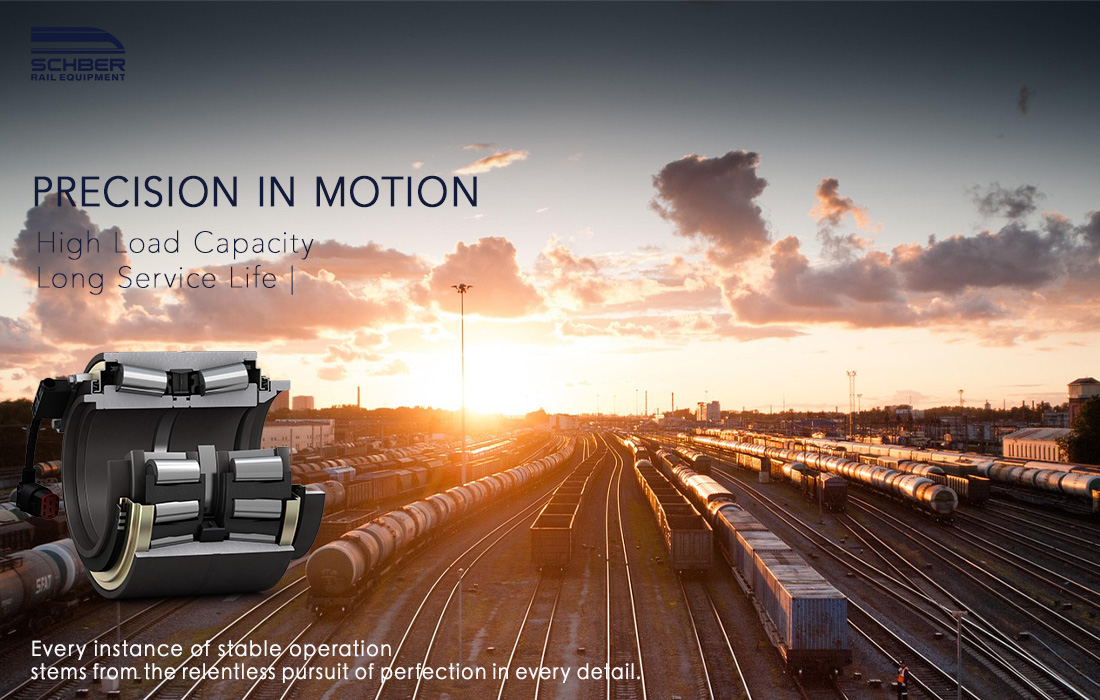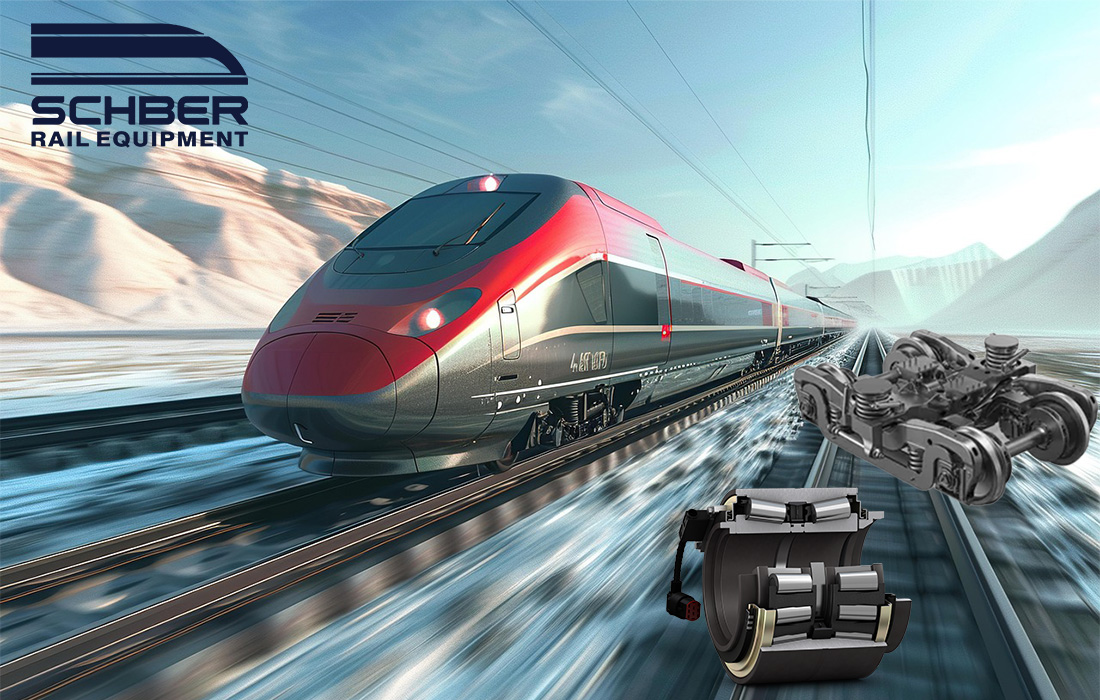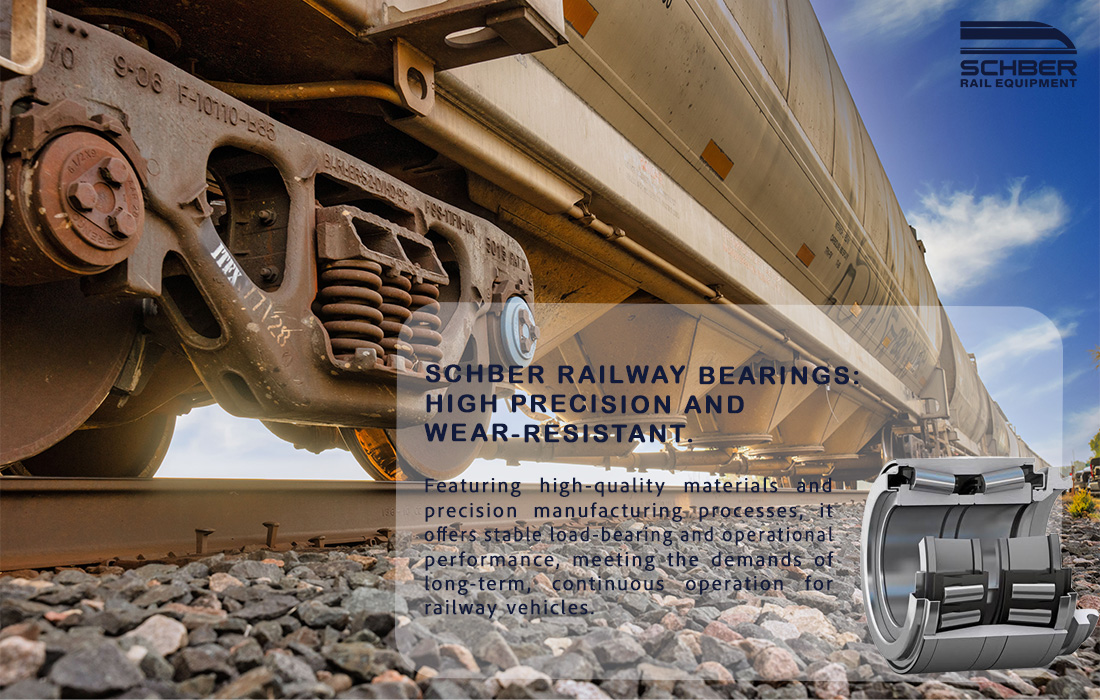
Railway bearing units are critical components of railway equipment, primarily utilized in the wheelsets, axle boxes, and bogie systems of railway vehicles. These units must withstand both radial and axial loads during vehicle operation while also adapting to high speeds, frequent starts and stops, and complex track environments.
High-quality railway bearing units contribute to stable vehicle operation. Optimized structural designs reduce friction and operational noise, while effective sealing structures prevent the ingress of dust, moisture, and other contaminants. Appropriate lubrication schemes extend the service life of the bearings.
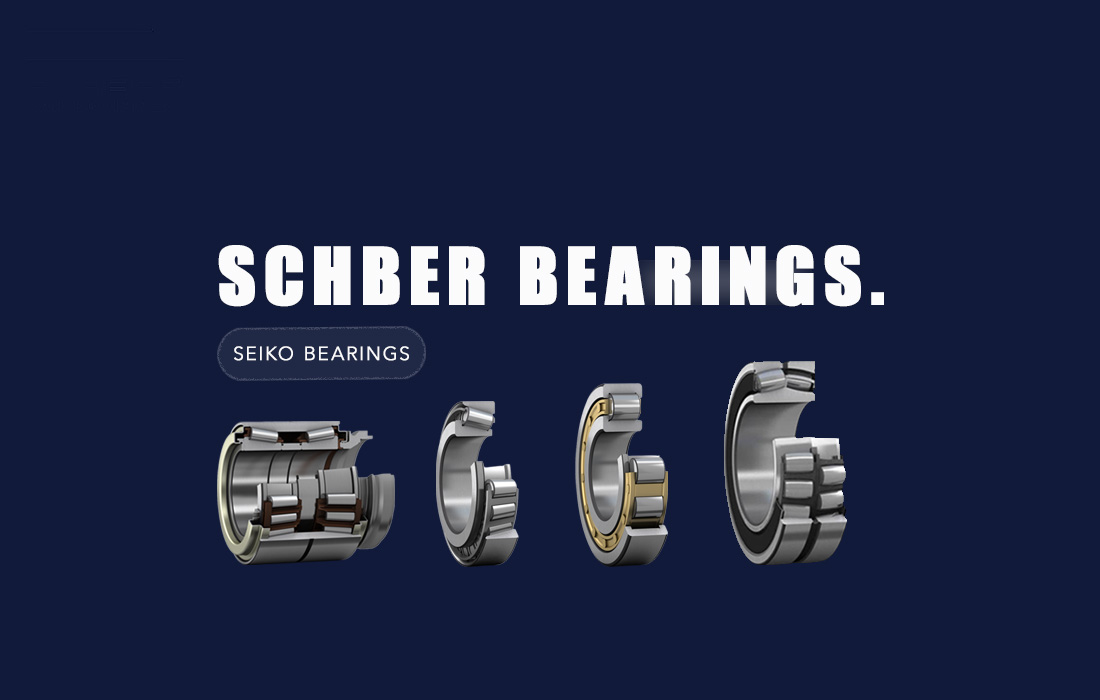
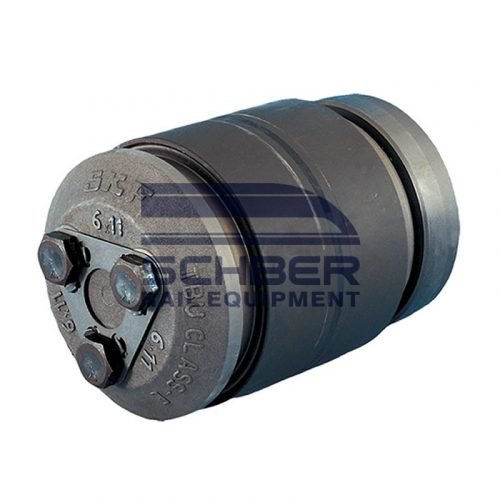
Railway bearing units typically comprise the bearing itself, seals, lubrication components, and associated connecting parts. Designs vary according to the vehicle type; freight wagons, passenger coaches, locomotives, and high-speed trains all have distinct performance requirements for their bearings.
Applications of Railway Bearing Units
Railway bearing units are widely used in wheelset systems, where they work in conjunction with axle boxes to support operational loads. Reliable bearing units are also essential for supporting bogie systems during operation.
In the high-speed rail sector, bearing units must meet stringent rotational speed requirements. Higher operating speeds place greater demands on the bearing regarding temperature rise, vibration, and lubrication performance. Consequently, designers must comprehensively consider factors such as bearing dimensions, internal clearance, sealing, and lubrication.
Freight vehicles operate in more demanding environments, requiring bearing units capable of withstanding heavy loads and the effects of prolonged operation. A stable structural design helps maintain the vehicle’s optimal operating condition.
Key Characteristics of Railway Bearing Units
Railway bearing units possess high load-carrying capacity and are designed to meet the demands of continuous railway vehicle operation. Effective sealing structures minimize the ingress of external contaminants.
These units must also maintain excellent rotational performance; low friction reduces energy loss, while stable lubrication helps regulate operating temperatures.
Different vehicle models require specific bearing unit specifications. Selection is based on factors such as shaft diameter, load, rotational speed, installation space, and operating environment.
Selecting Railway Bearing Units
Selecting a railway bearing unit begins with identifying the vehicle type and the specific application location, followed by determining the required bearing dimensions and load capacities. For high-speed vehicles, maximum operating speed and temperature rise limits are critical considerations.
The operating environment is also a crucial factor. Rain, dust, temperature fluctuations, and prolonged vibration can all affect bearing performance. Therefore, the sealing structure and lubrication method must be matched to actual operating conditions.
Proper selection of bearing units enhances the operational stability of railway vehicles. It also helps reduce maintenance frequency and operating costs.