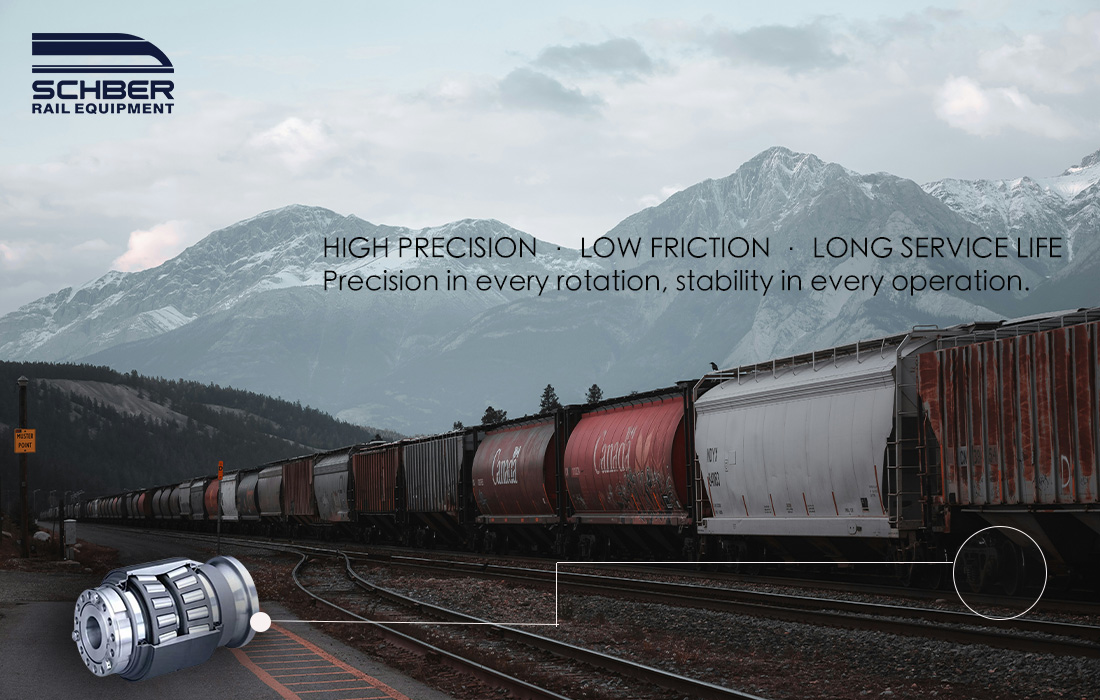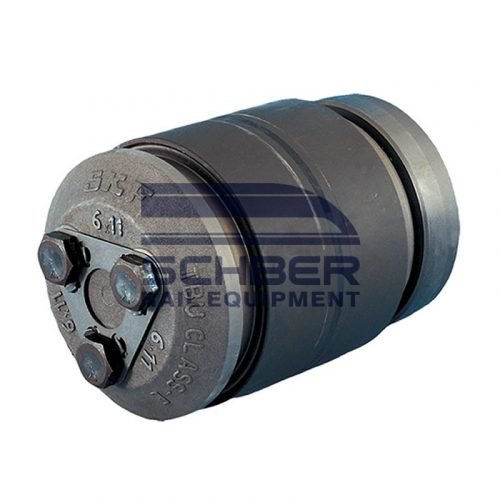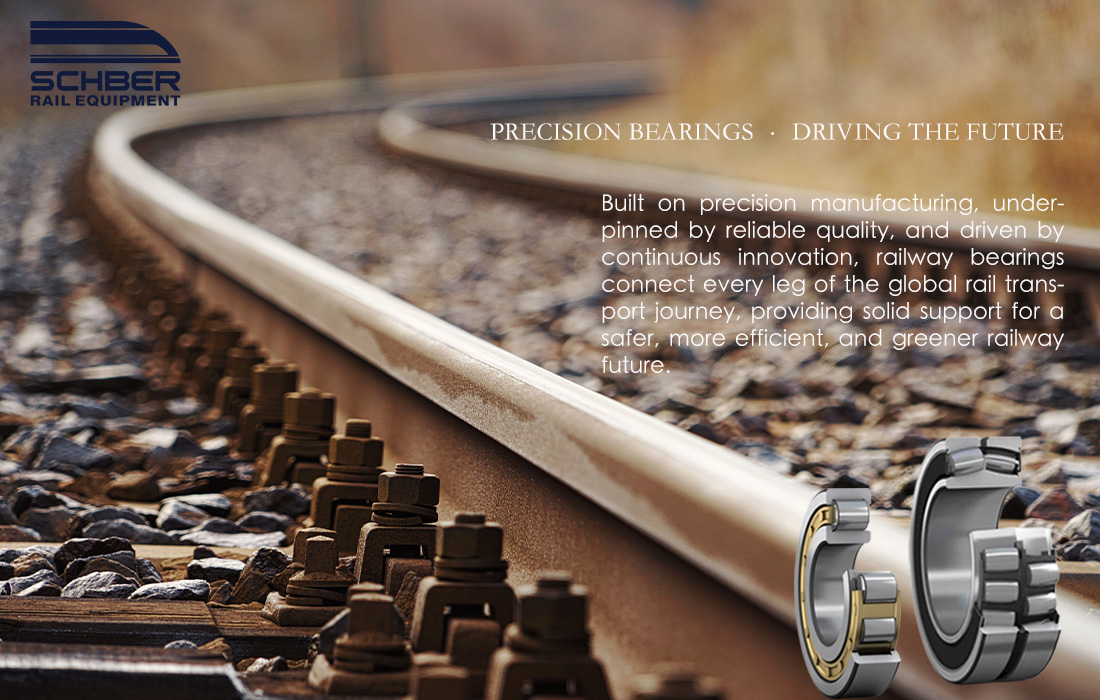
Railway ball bearings are used in railway vehicles, track equipment, and related mechanical systems. They support the loads of rotating components and help ensure stable equipment operation. Compared to standard bearings, railway applications impose stricter requirements regarding load-bearing capacity, operational stability, and service life.
Railway vehicles are subjected to conditions such as vibration, shock, and high-speed operation over extended periods. Consequently, bearings must maintain excellent rotational performance. Appropriate railway ball bearings reduce operational resistance and minimize friction between mechanical components.
Key Characteristics of Railway Ball Bearings
Railway ball bearings are typically manufactured from high-strength bearing steel, a material offering excellent wear and fatigue resistance. Precision machining enhances the fit accuracy between the raceways and the rolling elements.
Different types of railway equipment require specific bearing configurations. Common products include deep-groove ball bearings, angular contact ball bearings, and other ball bearing designs suitable for railway applications.
Railway ball bearings must also accommodate significant radial loads; some applications involve simultaneous axial loads. Selecting the appropriate bearing structure can improve equipment operational efficiency.
Applications of Railway Ball Bearings
Railway ball bearings are widely used in railway vehicles and rail transit equipment. They are utilized in electric motors, traction systems, auxiliary equipment, and other rotating mechanisms.
High-speed trains demand high operational precision from bearings. Urban rail vehicles prioritize stability and long-term performance, while freight trains typically require bearings capable of withstanding heavier operational loads.
In practice, factors such as operating speed, load, temperature, and installation conditions influence bearing selection. Therefore, equipment specifications and the operating environment should be verified prior to procurement.
Selecting Railway Ball Bearings
When selecting railway ball bearings, the dimensions—specifically the inner diameter, outer diameter, and width—must be confirmed to ensure proper installation and fit. Equipment load and rotational speed requirements must also be considered.
The operating environment is equally important. If the equipment operates in high-temperature, humid, or dusty conditions, the bearing’s sealing performance and lubrication strategy require special attention.
Railway equipment typically requires long-term, stable operation; therefore, fatigue life and maintenance requirements are critical considerations. Proper installation and effective lubrication management can help extend the bearing’s service life.
Performance Advantages of Railway Ball Bearings
High-quality railway ball bearings ensure smooth, stable rotation. It reduces friction and helps lower energy loss in mechanical systems.
Its precise internal structure enhances operational stability, while an effective sealing design minimizes the ingress of dust and contaminants into the bearing.
Stable operation is crucial for railway equipment. Selecting the right ball bearings can reduce maintenance frequency and improve overall equipment efficiency.
When selecting railway ball bearings, you can filter options based on model, dimensions, load, and rotational speed. Clarifying the application scenario helps you quickly identify the most suitable bearing solution for your railway equipment.