
Applicable Vehicle & Brand
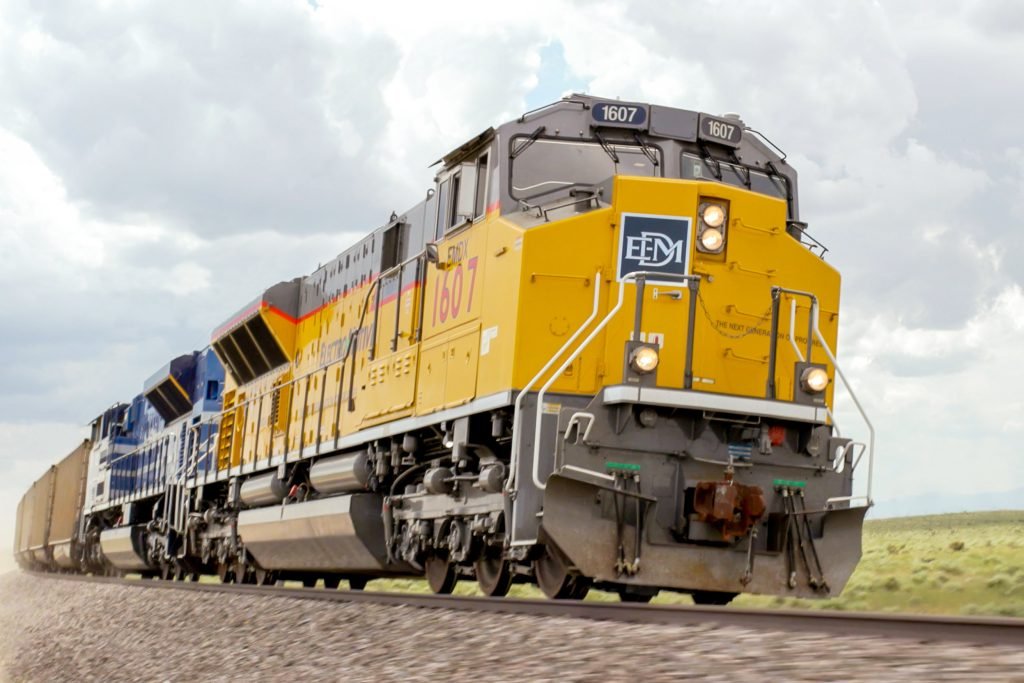
Rail Locomotive
Locomotives are usually extremely powerful as they have to pull or push a series of train cars. They can pull long strings of heavy cars on both flat surfaces and grades. You can think of locomotives as the powerhouse for trains. Locomotives were developed in the 1800s. These initial versions were powered by steam. They enabled the construction of railroads, which rapidly grew into the most dominant method of land transportation.
Although the classic image of a locomotive displays its placement at the head of the train, it can also be placed at the back when it is employed for pushing the train. Some railroads also use push-pull operations, in which a locomotive pulls a train in one direction and pushes it in the other. This eliminates the need for time-consuming track switching, as the train can move easily in either direction.
When you see an engine running on a railway track without coaches behind it, that is not a train. That is a locomotive traveling on its own. However, when it used to haul the wagons or coaches, the whole unit can be called a train. Though it is common for people to call any system running on rails as a train, it is a vehicle system that consists of a locomotive that provides power and a series of interconnected carriages.